EN
EN

EN
- Home
- About Us
-
Products
Products
-
Laminated Fabric
Laminated Fabric
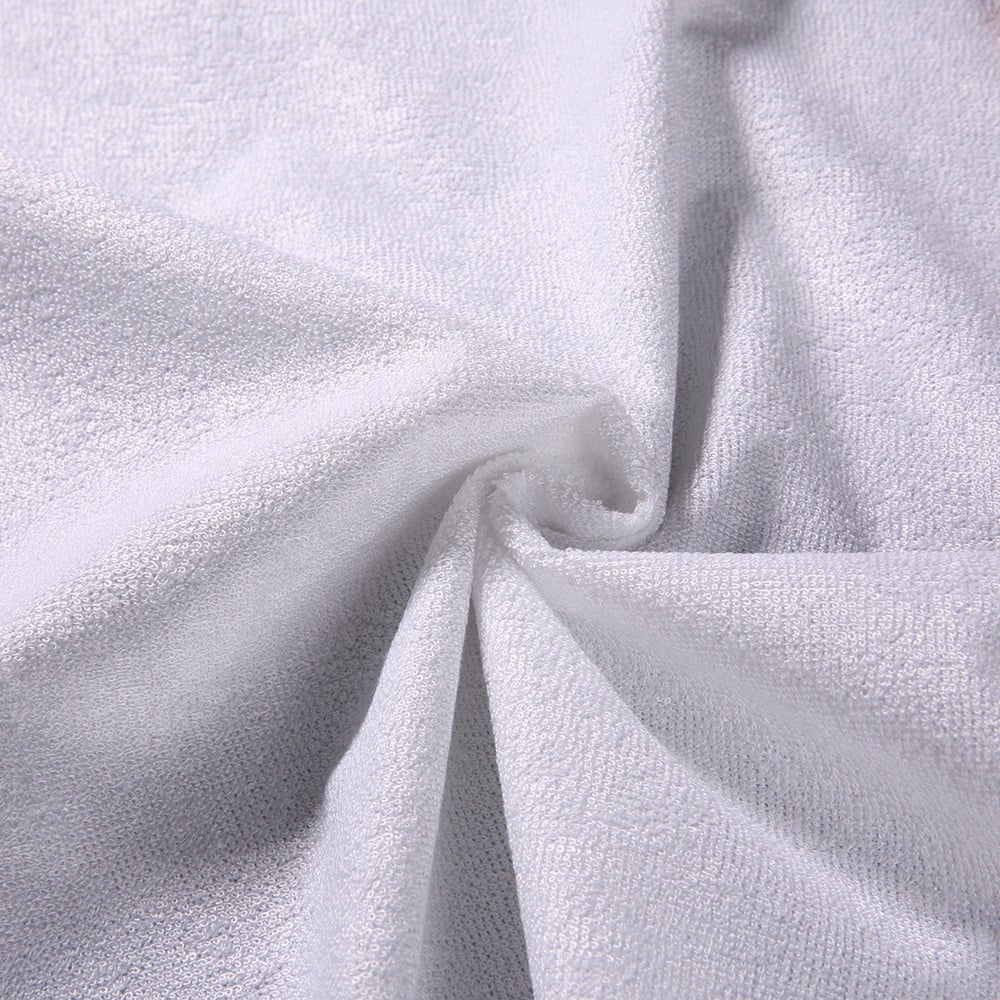
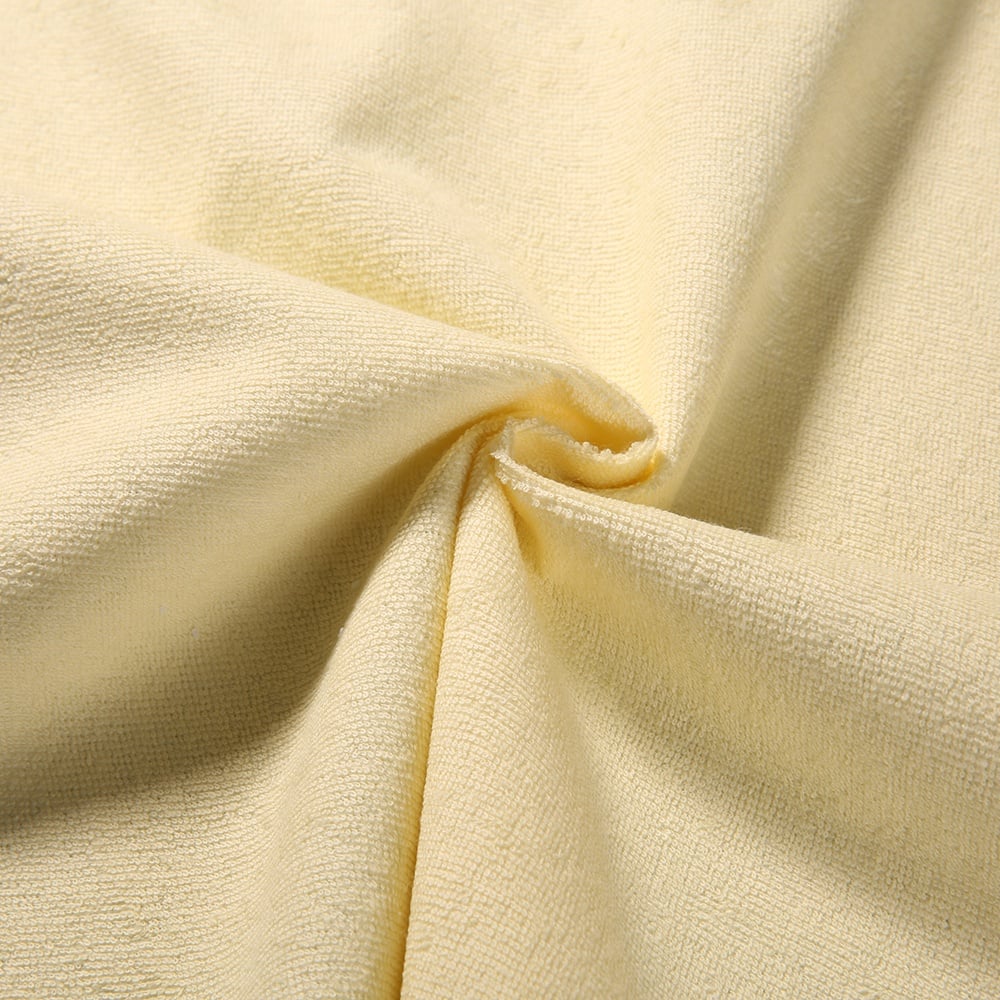
- Terry Fabric
- Knitted Fabric
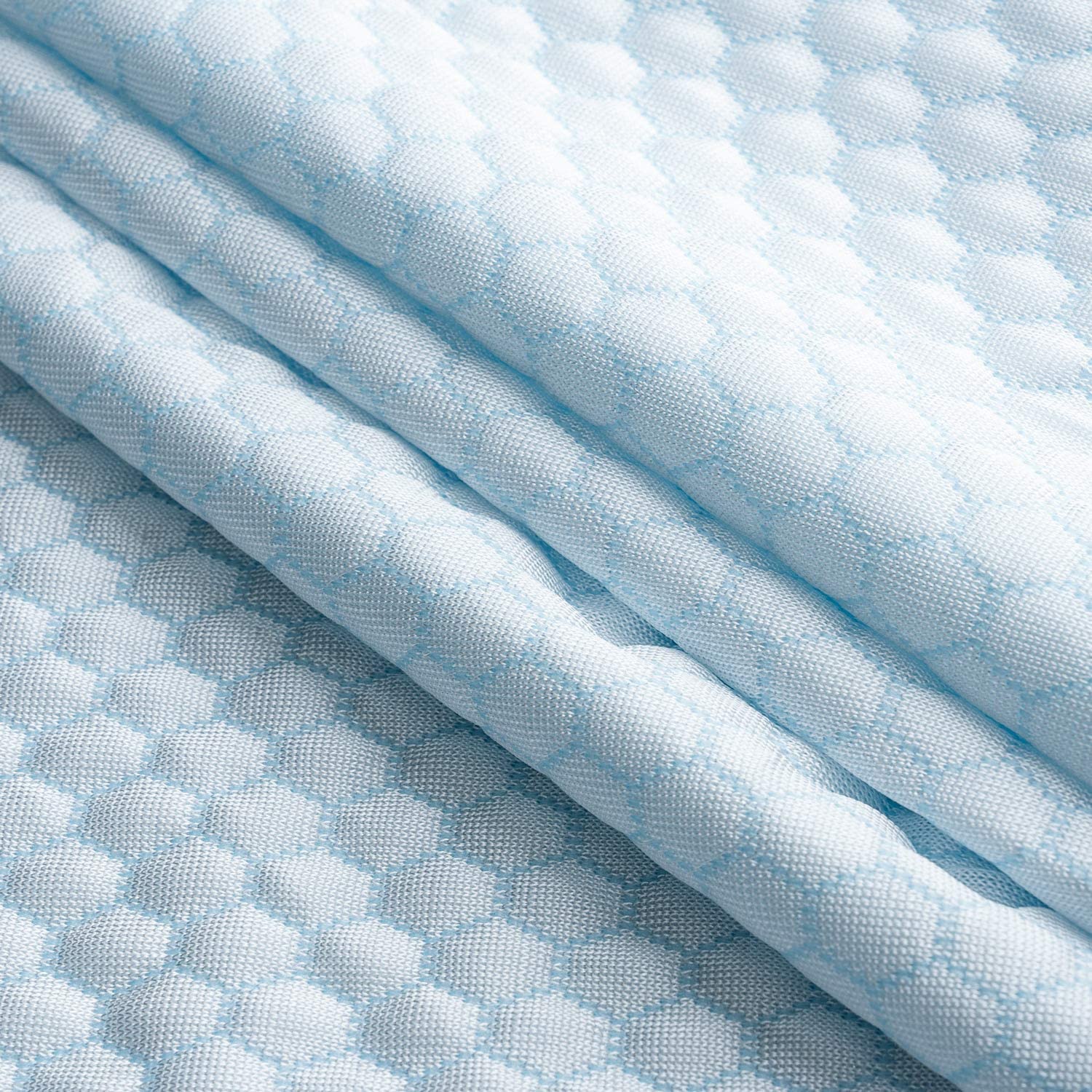
- Jacquard Fabric
-
Microfiber Fabric
Microfiber Fabric
-
Quilted Fabric
Quilted Fabric
-
Fleece Fabric
Fleece Fabric
- Ultrasonic Fabric
- Flannel Cotton Fabric
-
Mattress Protector
Mattress Protector
-
Fitted Style
Fitted Style
- Polyester Jersey Mattress Protector
- Polyester Terry Mattress Protector
- Cotton Terry Mattress Protector
- Bamboo Terry Mattress Protector
- Microfiber Quilted Mattress Protector
- Nylon Cooling Jacquard Mattress Protector
- Bamboo Jacquard Mattress Protector
- Lyocell Jacquard Mattress Protector
- Nylon Cooling Jersey Mattress Protector
- Cooling Knitted Mattress Protector
- Copper Ion Jacquard Mattress Protector
- Warp Coral Fleece Mattress Protector
-
Bedbug Proof Zipperd Style
Bedbug Proof Zipperd Style
-
Four Corners with Elastic Bands
Four Corners with Elastic Bands
-
Fitted Style
- Bed Sheet Set
-
Blanket
Blanket
-
Comforter
Comforter
-
Underpad
Underpad
-
Pillow
Pillow
-
Laminated Fabric
- Video
- News
- Contact Us