Premium Bed Sheet Set Factory - Custom Manufacturing & Wholesale Bedding Solutions

application/bed-sheet-set-factory, application/bed-sheet-set-factory, 
Get a Quote
application/bed-sheet-set-factory, application/bed-sheet-set-factory, 
Get a Quote

bed sheet set factory

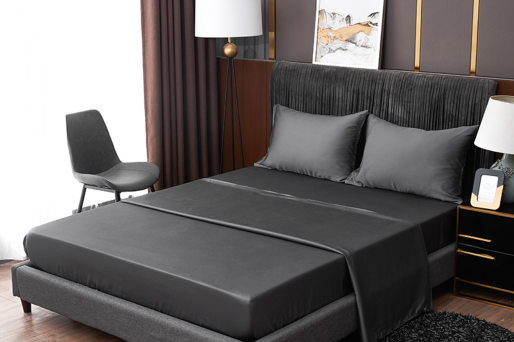
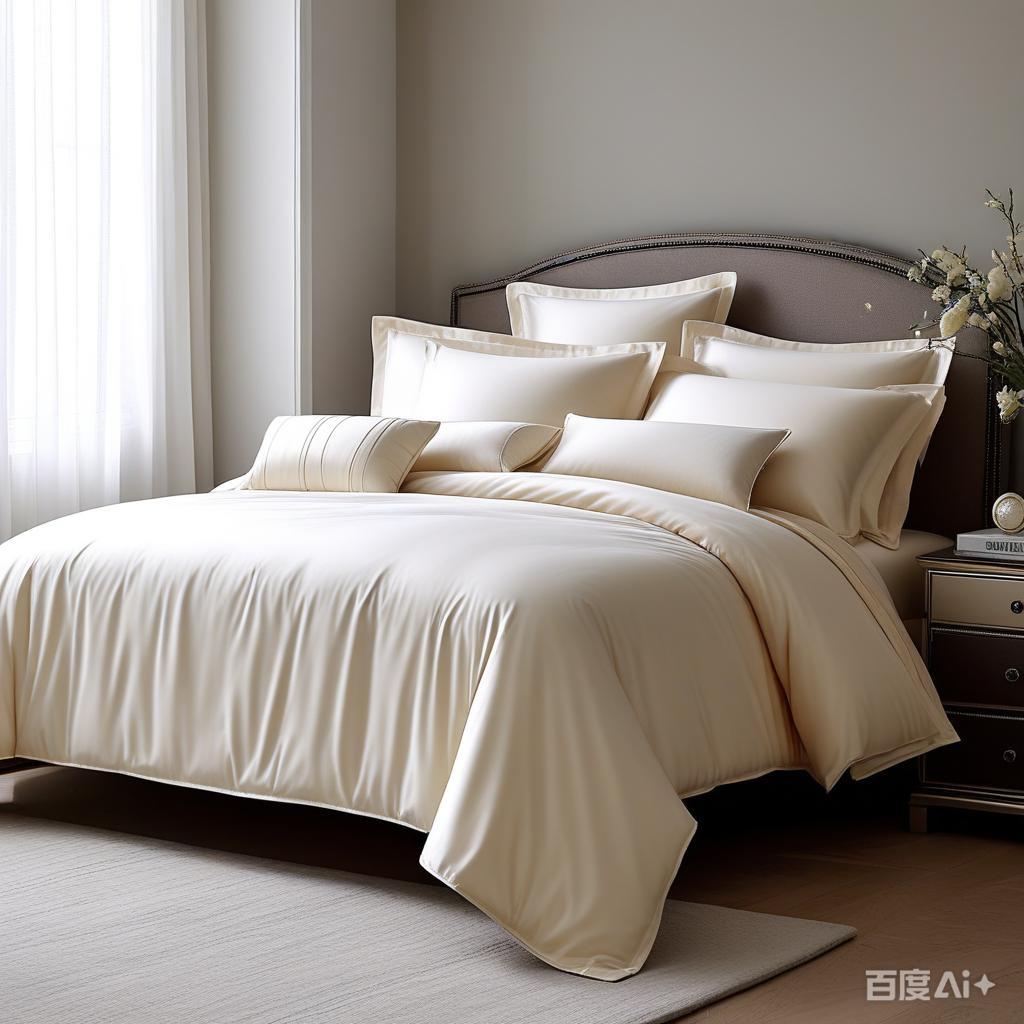
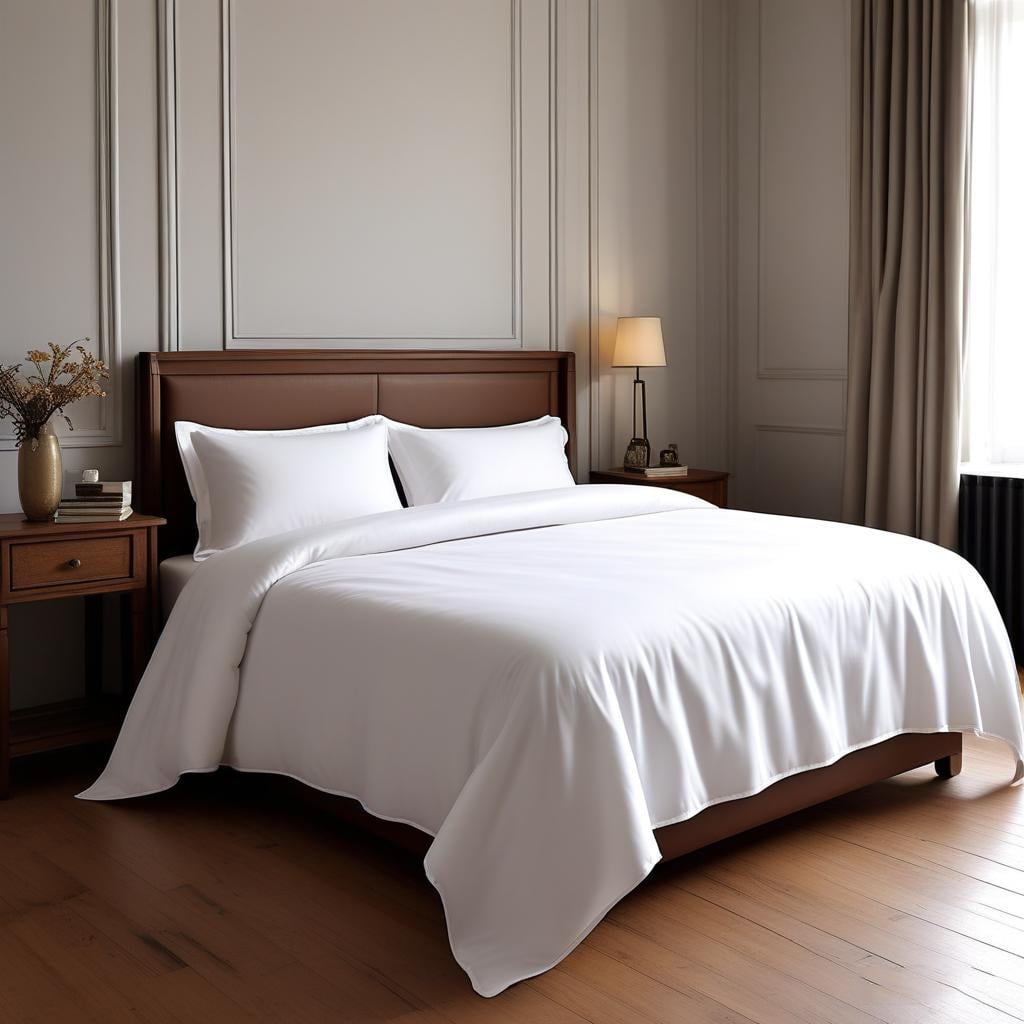
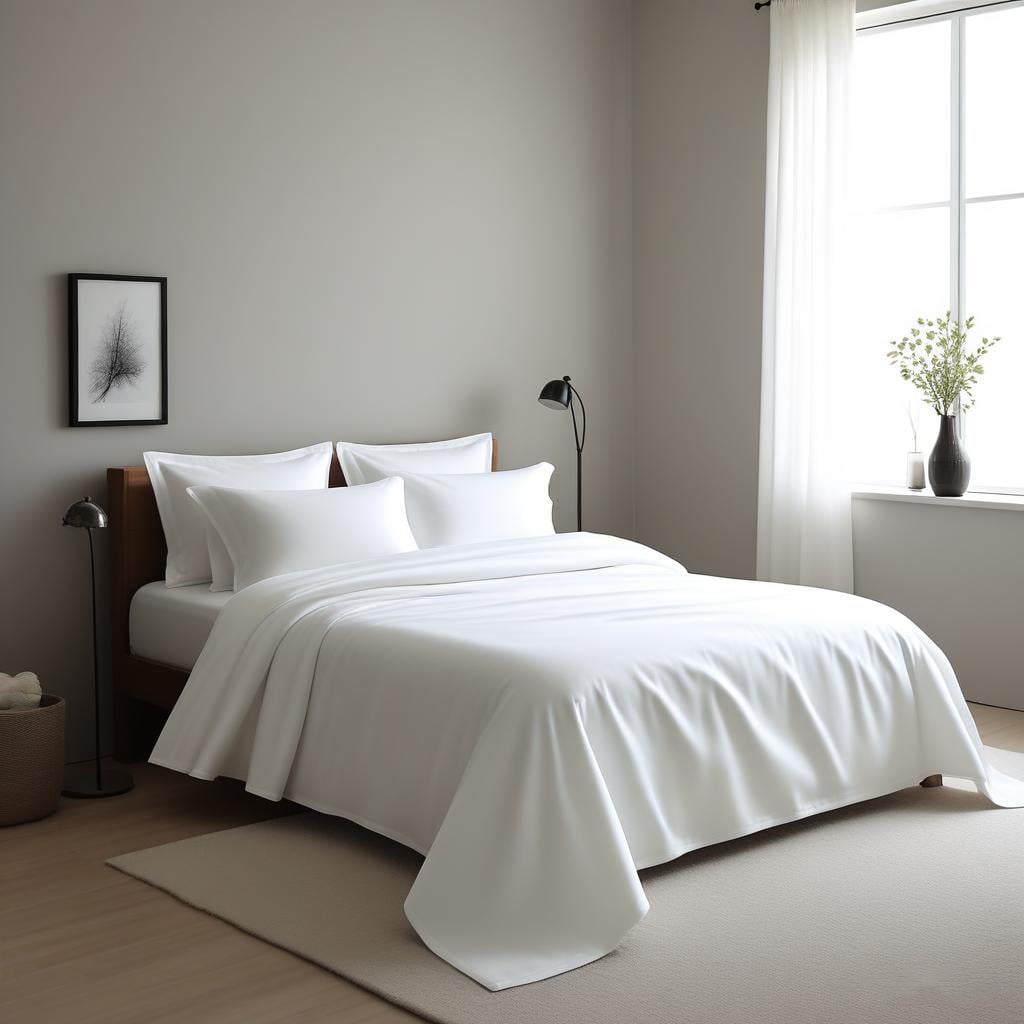
A bed sheet set factory represents a specialized manufacturing facility dedicated to producing complete bedding collections that include fitted sheets, flat sheets, and pillowcases. These production centers combine traditional textile craftsmanship with modern manufacturing technologies to create high-quality sleeping essentials for residential and commercial markets worldwide. The bed sheet set factory operates as a comprehensive production hub where raw materials undergo multiple transformation processes, from yarn spinning and fabric weaving to cutting, sewing, and quality inspection. Modern facilities incorporate automated machinery alongside skilled craftspeople to ensure consistent output that meets international quality standards. The primary function of a bed sheet set factory involves managing the entire production lifecycle, beginning with sourcing premium cotton, microfiber, linen, or blended materials and concluding with packaged products ready for distribution. These factories typically maintain extensive quality control systems that monitor thread count, fabric density, colorfastness, and dimensional accuracy throughout manufacturing stages. Technological features within contemporary bed sheet set factory operations include computerized cutting systems that minimize fabric waste, industrial sewing machines capable of producing thousands of units daily, and digital printing equipment for custom designs and patterns. Many facilities have adopted sustainable practices such as water recycling systems, energy-efficient machinery, and eco-friendly dyeing processes to reduce environmental impact. The applications of bed sheet set factory products extend across multiple sectors including hospitality chains requiring bulk orders, retail businesses seeking private label merchandise, healthcare institutions needing hypoallergenic options, and direct-to-consumer brands demanding customization capabilities. These manufacturing centers serve as critical partners for businesses requiring reliable supply chains, consistent product quality, and scalable production volumes that can accommodate seasonal demand fluctuations and market expansion initiatives.
Choosing to partner with a bed sheet set factory provides businesses and consumers with numerous practical benefits that directly impact product quality, cost efficiency, and market competitiveness. First, working directly with manufacturing facilities eliminates multiple intermediary layers, resulting in significant cost savings that can be passed to end customers or retained as improved profit margins. This direct relationship allows buyers to negotiate favorable pricing structures especially for large volume orders, making premium bedding accessible at competitive price points. Second, bed sheet set factory partnerships enable extensive customization opportunities that meet specific market requirements. Buyers can specify exact measurements, select from diverse fabric compositions, choose thread counts ranging from economical to luxury grades, and incorporate unique design elements including embroidery, prints, or branded labels. This flexibility proves invaluable for businesses establishing distinctive brand identities or targeting niche market segments with specialized needs. Third, quality assurance becomes more manageable when sourcing from established production facilities. Reputable bed sheet set factory operations maintain rigorous testing protocols that verify fabric strength, seam durability, shrinkage resistance, and color retention. These systematic quality checks reduce defect rates and minimize customer returns, protecting brand reputation while ensuring consumer satisfaction. Fourth, scalability represents a crucial advantage as businesses grow. A reliable bed sheet set factory can adjust production volumes according to demand cycles, accommodating both initial small orders for market testing and substantial quantities needed during peak seasons or promotional campaigns. This production flexibility eliminates inventory challenges and reduces financial risks associated with overstocking or stockouts. Fifth, access to manufacturing expertise provides valuable insights into material innovations, production techniques, and market trends. Experienced factories often guide clients toward optimal fabric choices, construction methods, and finishing touches that enhance product appeal while maintaining cost effectiveness. Sixth, efficient lead times from bed sheet set factory operations ensure products reach markets promptly, allowing businesses to respond quickly to consumer preferences and seasonal opportunities. Modern factories employ streamlined workflows and inventory management systems that reduce production cycles from weeks to days for standard items. Finally, environmental responsibility has become increasingly important, and many manufacturing facilities now offer sustainable production options including organic cotton, recycled polyester, and non-toxic dyes, helping brands meet consumer expectations for eco-conscious products while contributing to global sustainability goals.

Tips And Tricks

Safe Sleep, Pure Protection: OEKO-TEX® Certified Waterproof Mattress Cover

18

Aug

Safe Sleep, Pure Protection: OEKO-TEX® Certified Waterproof Mattress Cover

View More
Jiangsu Etang Household Products Co., Ltd to Shine at 2025 Intertextile Shanghai Home Textiles Expo

11

Aug

Jiangsu Etang Household Products Co., Ltd to Shine at 2025 Intertextile Shanghai Home Textiles Expo

View More
Bamboo vs. Cotton vs. Lyocell: Which Waterproof Mattress Protector Top Layer Is Right for You?

05

Aug

Bamboo vs. Cotton vs. Lyocell: Which Waterproof Mattress Protector Top Layer Is Right for You?

View More
Bamboo Terry Waterproof Mattress Protector: The Cool, Quiet & Leak-Proof Solution

29

Jul

Bamboo Terry Waterproof Mattress Protector: The Cool, Quiet & Leak-Proof Solution

View More

Get a Free Quote

Our representative will contact you soon.
0/1000
Advanced Manufacturing Technology Integration

Advanced Manufacturing Technology Integration

The modern bed sheet set factory distinguishes itself through sophisticated technological integration that transforms traditional textile production into precision manufacturing operations. At the core of these advancements lie computerized design systems that convert creative concepts into exact production specifications, ensuring every bed sheet set maintains perfect dimensional accuracy regardless of batch size. These digital platforms allow designers to experiment with countless pattern variations, color combinations, and structural modifications before committing to physical production, drastically reducing sample costs and development timelines. The cutting process, once labor-intensive and prone to material waste, now utilizes automated laser-guided or computerized blade systems that optimize fabric layout patterns through advanced algorithms. This technology minimizes waste by calculating the most efficient arrangement of pattern pieces, sometimes reducing material consumption by fifteen to twenty percent compared to manual cutting methods. Such efficiency translates directly into cost savings and environmental benefits, as less raw material achieves the same production output. Industrial-grade sewing equipment within the bed sheet set factory represents another technological leap, featuring programmable stitch patterns, automatic thread tension adjustment, and quality sensors that detect irregularities in real-time. These machines maintain consistent seam strength across thousands of units, eliminating the variability inherent in purely manual operations. Many facilities now employ robotic assistance for repetitive tasks such as fabric feeding, positioning, and trimming, which increases production speed while allowing human workers to focus on quality inspection and complex assembly procedures requiring judgment and expertise. Digital textile printing technology has revolutionized customization capabilities, enabling bed sheet set factory operations to produce small-batch custom designs economically. Unlike traditional screen printing requiring expensive setup for each color and design, digital printing applies patterns directly from computer files, making single-unit custom orders financially viable. This capability opens new business models including on-demand production, personalized products, and rapid prototyping for market testing. Quality control systems incorporate optical inspection technology that photographs finished products and compares them against digital standards, identifying defects invisible to casual observation such as minor color variations, weave irregularities, or dimensional deviations. These automated systems process hundreds of items hourly with accuracy exceeding manual inspection, ensuring only products meeting stringent specifications reach customers. The integration of enterprise resource planning systems coordinates every aspect of bed sheet set factory operations from raw material procurement through final shipment, providing real-time visibility into production status, inventory levels, and order fulfillment progress, enabling managers to optimize workflows and respond proactively to potential bottlenecks or supply chain disruptions.
Comprehensive Quality Assurance Protocols

Comprehensive Quality Assurance Protocols

Quality assurance within a bed sheet set factory extends far beyond simple visual inspection, encompassing systematic testing procedures that verify every aspect of product performance and durability. This commitment to excellence begins with rigorous raw material evaluation, where incoming fabrics undergo laboratory testing to confirm fiber composition, thread count accuracy, and structural integrity before entering production workflows. Textile laboratories within advanced facilities employ microscopic analysis to verify yarn quality, measuring fiber length, strength, and uniformity that determine fabric longevity and tactile characteristics. Chemical testing ensures dyes and finishes meet safety standards, remain free from harmful substances, and demonstrate excellent colorfastness properties that resist fading through repeated washing cycles. The bed sheet set factory implements standardized testing protocols that simulate years of consumer use within compressed timeframes. Abrasion resistance tests subject fabrics to mechanical friction replicating hundreds of wash cycles, identifying materials prone to pilling, thinning, or surface degradation. Tensile strength measurements determine how much force fabrics withstand before tearing, crucial information for predicting lifespan and customer satisfaction. Shrinkage testing involves subjecting samples to multiple hot water wash and dry cycles, measuring dimensional changes to establish accurate preshrinking requirements and guarantee finished products maintain size specifications after home laundering. Seam strength testing applies controlled force to stitched joints, ensuring construction methods create durable connections that withstand the stresses of repeated use and washing. Color consistency represents another critical quality parameter, with bed sheet set factory operations employing spectrophotometers that measure precise color values across production batches, ensuring items purchased separately match perfectly when used together. This technology proves essential for businesses requiring consistent inventory where customers might purchase additional pieces months or years after initial orders. Thread count verification, often misrepresented in consumer markets, receives careful attention in reputable facilities where actual thread counts are measured and certified rather than estimated or inflated. This honesty in specification builds trust with business clients who stake their reputations on accurate product descriptions. Environmental testing exposes products to various conditions including humidity, temperature extremes, and light exposure, revealing potential weaknesses before market introduction. Antimicrobial effectiveness testing confirms treatments designed to inhibit bacteria and odor remain effective through expected product lifespans. The bed sheet set factory documents all testing results, creating comprehensive quality records that trace each production batch from raw materials through finished goods, enabling rapid identification and resolution of any quality issues that emerge in the market. This traceability proves invaluable for continuous improvement initiatives, allowing manufacturers to correlate specific material sources, production parameters, or process variations with quality outcomes, systematically refining manufacturing procedures to achieve ever-higher standards that differentiate premium products in competitive markets.
Flexible Customization and Production Scalability

Flexible Customization and Production Scalability

The ability of a bed sheet set factory to accommodate diverse customization requirements while maintaining production efficiency represents a fundamental competitive advantage for businesses across retail, hospitality, and institutional sectors. Unlike rigid manufacturing operations limited to standard products, modern facilities embrace flexibility as a core operational principle, designing workflows that transition seamlessly between different specifications, materials, and order volumes. Customization capabilities begin with dimensional flexibility, where the bed sheet set factory produces items for every bed size from twin to California king, plus non-standard dimensions for specialty applications such as recreational vehicles, boats, adjustable beds, or institutional settings with unique requirements. This dimensional adaptability extends beyond simple size variations to include depth specifications for fitted sheets accommodating mattresses ranging from standard thickness to pillow-top designs requiring extra-deep pockets. Fabric selection represents another customization dimension, with facilities maintaining relationships with multiple textile suppliers providing diverse material options. Clients can specify pure cotton varieties including Egyptian, Pima, or organic certified options, synthetic microfibers offering wrinkle resistance and easy care, natural linen for temperature regulation and textured appeal, bamboo-derived fabrics promoting sustainability, or innovative blends combining multiple fibers to achieve specific performance characteristics. Thread count customization allows buyers to position products across market segments from value-oriented basic bedding to ultra-premium luxury collections, with the bed sheet set factory adjusting manufacturing parameters to achieve desired specifications authentically. Color and pattern customization extends from selecting existing designs within factory catalogs to developing completely unique aesthetics through custom dyeing, printing, or weaving processes. Businesses can incorporate branded elements including embroidered logos, custom labels, proprietary packaging designs, and even unique fabric patterns exclusive to their product lines. This customization capability proves essential for brand differentiation in crowded markets where distinctive visual identity influences purchasing decisions. Production scalability addresses the practical reality that businesses experience fluctuating demand across product lifecycles, seasonal patterns, and growth trajectories. A capable bed sheet set factory structures operations to accommodate initial small orders allowing new brands to test markets with minimal financial commitment, then scales production volumes as demand increases without compromising quality or delivery timelines. This scalability operates bidirectionally, also supporting established businesses during slower periods without imposing minimum order quantities that create unwanted inventory. The manufacturing facility achieves this flexibility through modular production systems, cross-trained workforce capable of operating various equipment types, and strategic inventory management of common materials that reduces lead times for frequent reorders. Advanced bed sheet set factory operations implement just-in-time production principles that synchronize manufacturing schedules with client delivery requirements, minimizing warehouse needs while ensuring product availability. For businesses operating across multiple markets or channels, factories can manage several product variations simultaneously, producing different specifications for various distribution channels from a single production facility, simplifying supply chain management while maintaining quality consistency across all product lines. This comprehensive flexibility transforms the bed sheet set factory from a simple manufacturing vendor into a strategic partner capable of supporting diverse business models, market strategies, and growth ambitions.