PUL Fabric Supplier - Quality Waterproof Textiles

application/pul-fabric-supplier, application/pul-fabric-supplier, 
Get a Quote
Get a Quote

pul fabric supplier

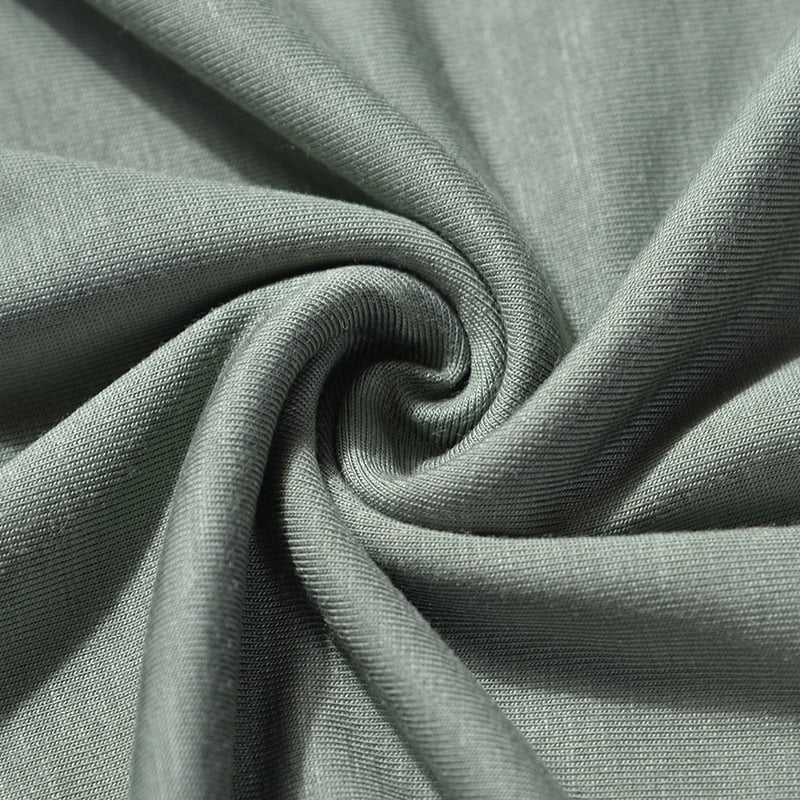
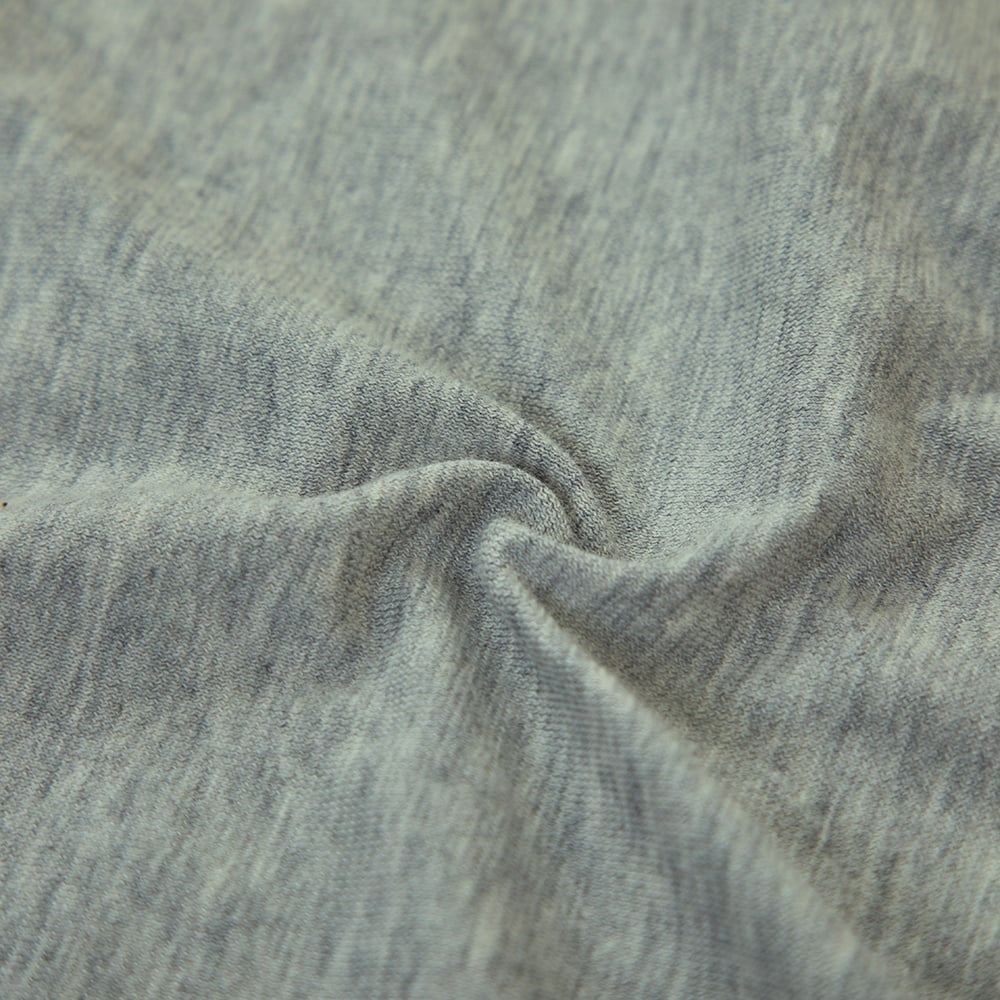
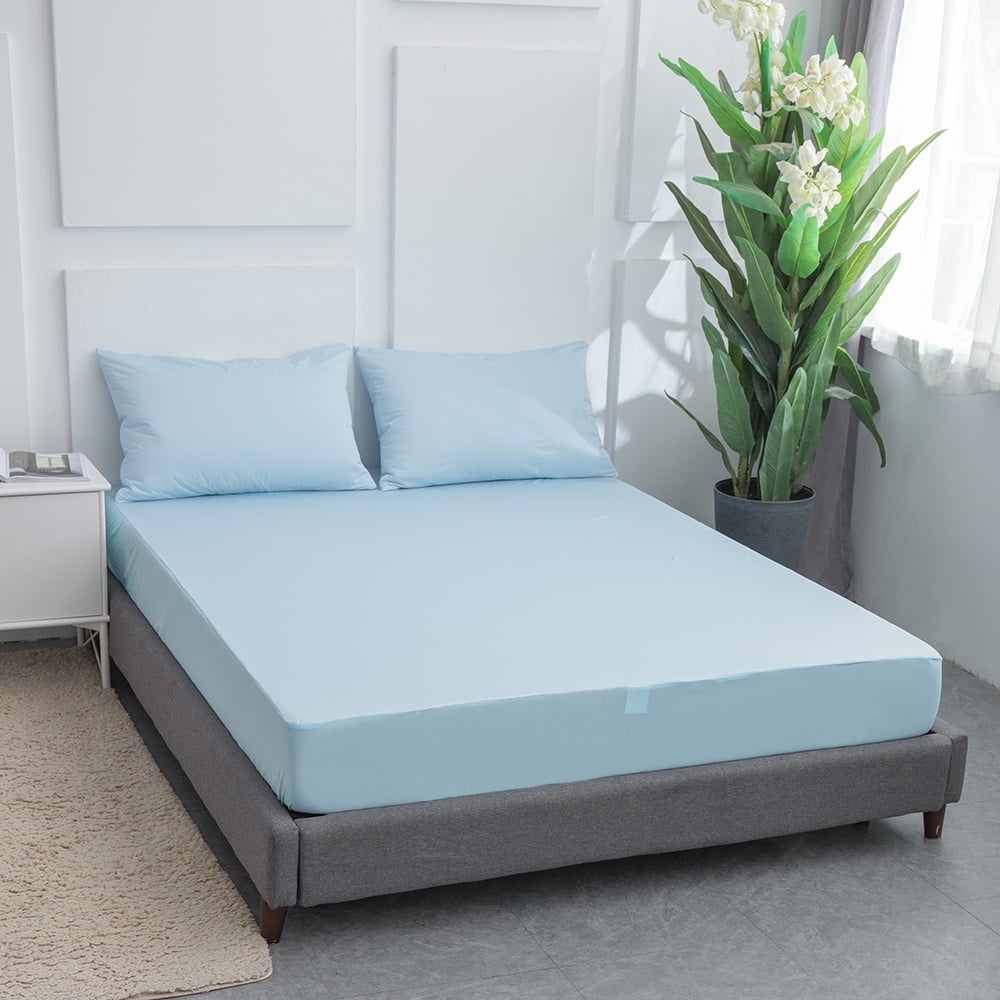
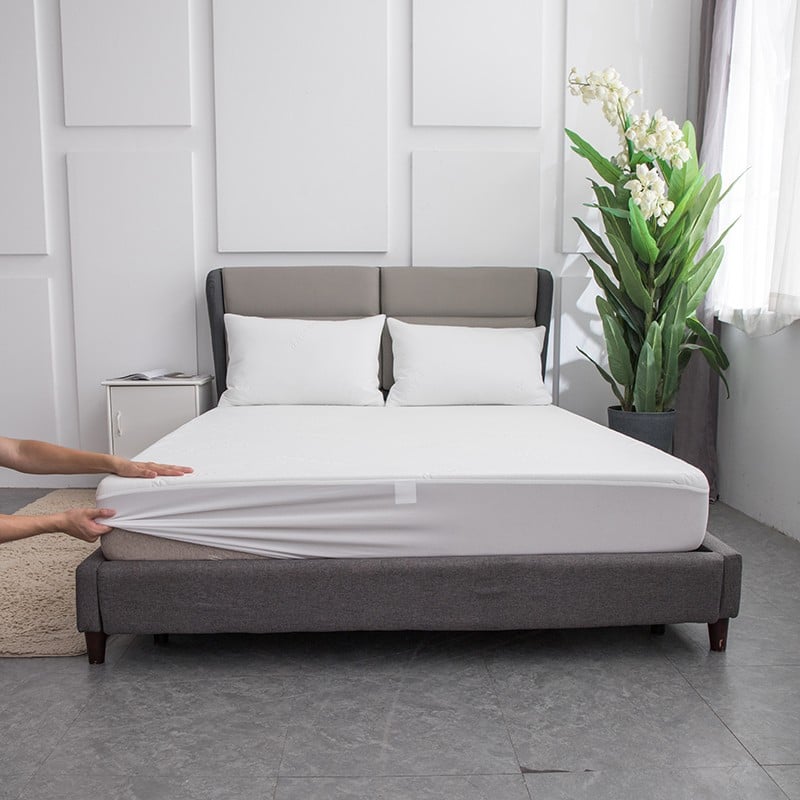
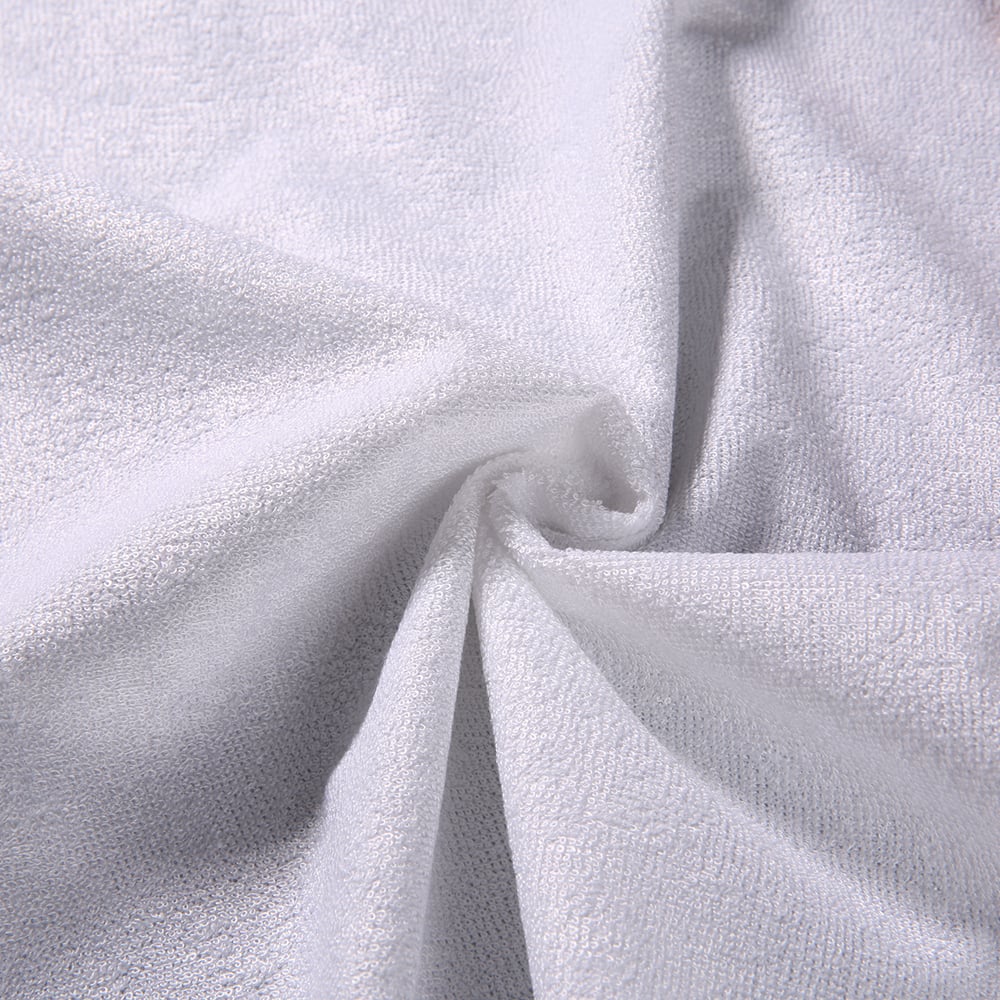
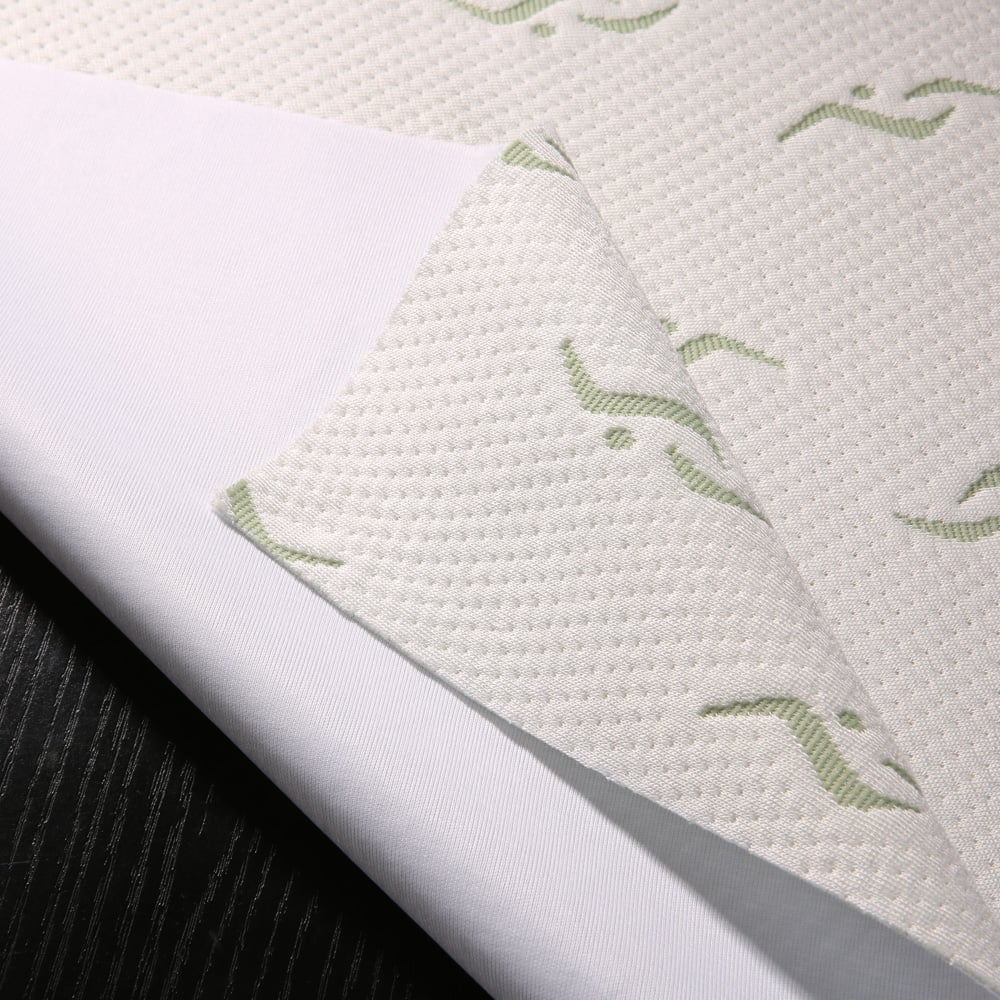
A pul fabric supplier specializes in providing high-quality polyurethane laminate fabric, a revolutionary textile material designed for waterproof and breathable applications. PUL fabric consists of a knit polyester fabric bonded to a thin polyurethane layer, creating a flexible yet durable barrier against liquids while maintaining breathability. When selecting a pul fabric supplier, manufacturers and businesses seek partners who understand the technical requirements of this specialty material and can deliver consistent quality across production runs. These suppliers serve diverse industries including healthcare, baby products, reusable hygiene products, outdoor gear, and medical textiles. A reliable pul fabric supplier maintains strict quality control standards, ensuring each roll meets specifications for waterproofness, stretch recovery, and lamination integrity. The technological features of PUL fabric include exceptional liquid resistance, soft hand feel, machine washability, and the ability to withstand repeated sterilization cycles. Working with an experienced pul fabric supplier means accessing various fabric weights, colors, prints, and certifications such as OEKO-TEX Standard 100 or CPSIA compliance for children's products. The supplier's expertise extends beyond merely providing material; they offer technical guidance on fabric selection, care instructions, and application-specific recommendations. Whether producing cloth diapers, medical mattress covers, incontinence products, or waterproof bags, partnering with a knowledgeable pul fabric supplier ensures your products meet industry standards and customer expectations for performance and durability.
Choosing the right pul fabric supplier delivers significant value through consistent material quality that directly impacts your finished product performance. A dependable supplier ensures every fabric batch maintains uniform waterproof properties, eliminating production delays caused by material defects or inconsistent lamination. This reliability translates to reduced waste, lower rejection rates, and improved manufacturing efficiency. From an operational standpoint, working with an established pul fabric supplier means accessing flexible ordering options, reasonable minimum order quantities, and predictable lead times that align with your production schedules. Many suppliers maintain ready stock of popular colors and weights, enabling quick turnaround for urgent orders or sample requests. The practical benefits extend to technical support, where experienced suppliers provide fabric recommendations based on your specific application requirements, helping you select the optimal weight, stretch characteristics, and finish for your products. For businesses entering new markets or developing innovative products, a knowledgeable pul fabric supplier becomes a valuable partner who understands regulatory requirements across different regions and can supply certified materials that meet safety standards. Cost efficiency represents another crucial advantage, as established suppliers leverage purchasing power and production scale to offer competitive pricing without compromising quality. Additionally, reputable suppliers often provide fabric testing data, wash and care instructions, and application guidance that helps your team optimize product development and reduce time-to-market. The decision to partner with a professional pul fabric supplier rather than sourcing through intermediaries or unverified channels protects your brand reputation by ensuring material traceability, consistent performance, and compliance with industry regulations. This strategic partnership approach supports long-term business growth and customer satisfaction.

Practical Tips

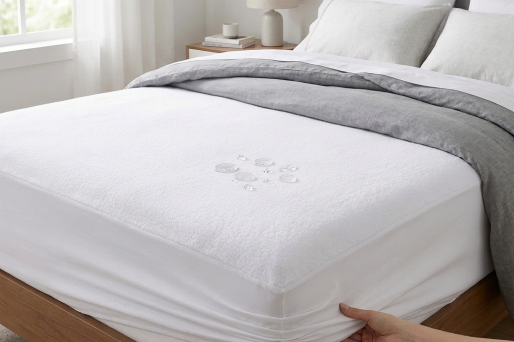
Safe Sleep, Pure Protection: OEKO-TEX® Certified Waterproof Mattress Cover

18

Aug

Safe Sleep, Pure Protection: OEKO-TEX® Certified Waterproof Mattress Cover

View More
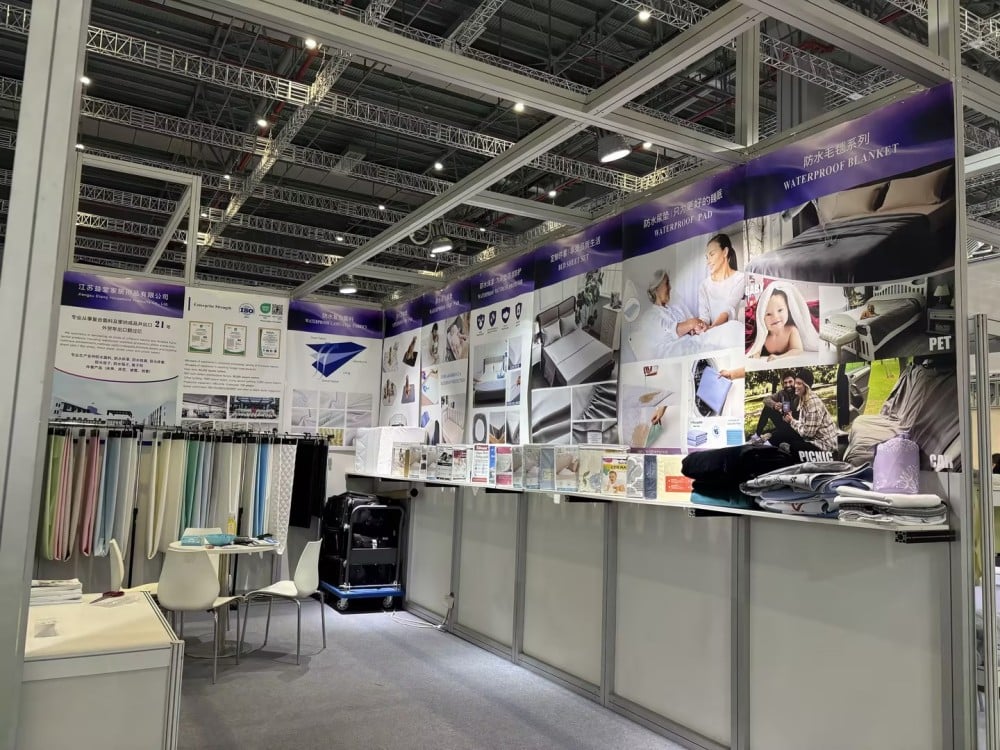
Jiangsu Etang Household Products Co., Ltd to Shine at 2025 Intertextile Shanghai Home Textiles Expo

11

Aug

Jiangsu Etang Household Products Co., Ltd to Shine at 2025 Intertextile Shanghai Home Textiles Expo

View More
Bamboo vs. Cotton vs. Lyocell: Which Waterproof Mattress Protector Top Layer Is Right for You?

05

Aug

Bamboo vs. Cotton vs. Lyocell: Which Waterproof Mattress Protector Top Layer Is Right for You?

View More
Fitted Sheet vs. Zippered Encasement: Which One Should You Choose?

22

May

Fitted Sheet vs. Zippered Encasement: Which One Should You Choose?

View More

Get a Free Quote

Our representative will contact you soon.
0/1000
Premium Quality Assurance Standards

Premium Quality Assurance Standards

A professional pul fabric supplier implements rigorous quality control processes throughout the manufacturing and distribution chain, ensuring every meter of fabric meets exacting performance standards. These suppliers conduct regular testing for critical properties including hydrostatic pressure resistance, lamination bond strength, stretch recovery, and colorfastness to washing and light exposure. The quality assurance extends to visual inspection for defects such as pinholes, delamination, or print irregularities that could compromise product integrity. By maintaining detailed quality records and batch traceability, the supplier enables manufacturers to confidently specify and use PUL fabric in regulated industries like healthcare and childcare products. Many established suppliers hold third-party certifications verifying their fabrics are free from harmful substances, making them suitable for sensitive applications involving prolonged skin contact. This commitment to quality means fewer production issues, reduced customer complaints, and enhanced brand reputation for businesses using certified materials from a trusted pul fabric supplier. The investment in quality control infrastructure demonstrates the supplier's dedication to long-term partnerships rather than short-term transactions.
Comprehensive Product Range and Customization

Comprehensive Product Range and Customization

Leading pul fabric supplier operations maintain extensive inventory spanning multiple fabric weights, base constructions, colors, and specialty finishes to accommodate diverse application requirements. Standard offerings typically include fabric weights ranging from lightweight options ideal for baby products to heavier constructions suited for industrial or medical applications. The color palette extends beyond basic solids to include fashion prints, seasonal designs, and custom print options for brands seeking distinctive product differentiation. Advanced suppliers offer customization services including exclusive print development, specific weight modifications, and specialty treatments such as antimicrobial finishes or enhanced softness. This breadth of options eliminates the need to work with multiple vendors, streamlining procurement processes and improving supply chain efficiency. Whether you require small quantities for prototype development or large production runs, a versatile pul fabric supplier adapts to your business scale and growth trajectory. The ability to source complementary materials like coordinating knit fabrics, elastics, or notions from the same supplier further simplifies operations and ensures color matching across product components, creating cohesive finished goods that meet professional standards.
Expert Technical Support and Partnership Approach

Expert Technical Support and Partnership Approach

Distinguished pul fabric supplier organizations differentiate themselves through comprehensive technical expertise and consultative service that extends far beyond transactional material sales. Their teams include textile specialists who understand fabric behavior in various applications and can recommend optimal specifications based on end-use requirements, washing protocols, and performance expectations. This expertise proves invaluable during product development phases when designers and manufacturers need guidance on fabric selection, construction techniques, or troubleshooting production challenges. Suppliers often provide detailed technical data sheets, care and maintenance guidelines, and application-specific best practices that help customers achieve optimal results. They stay current with evolving industry regulations and can advise on compliance requirements for different markets and product categories. The partnership approach means the supplier invests in understanding your business objectives, product portfolio, and growth plans, positioning themselves as a strategic resource rather than merely a vendor. This collaborative relationship facilitates innovation, as suppliers may introduce new fabric technologies, sustainable options, or market trends that create competitive advantages. Access to this level of expertise accelerates product development cycles, reduces costly mistakes, and supports successful market launches backed by appropriate material specifications from an experienced pul fabric supplier.