Propriedades Hipoalergênicas que Protegem a Saúde e a Satisfação dos Hóspedes
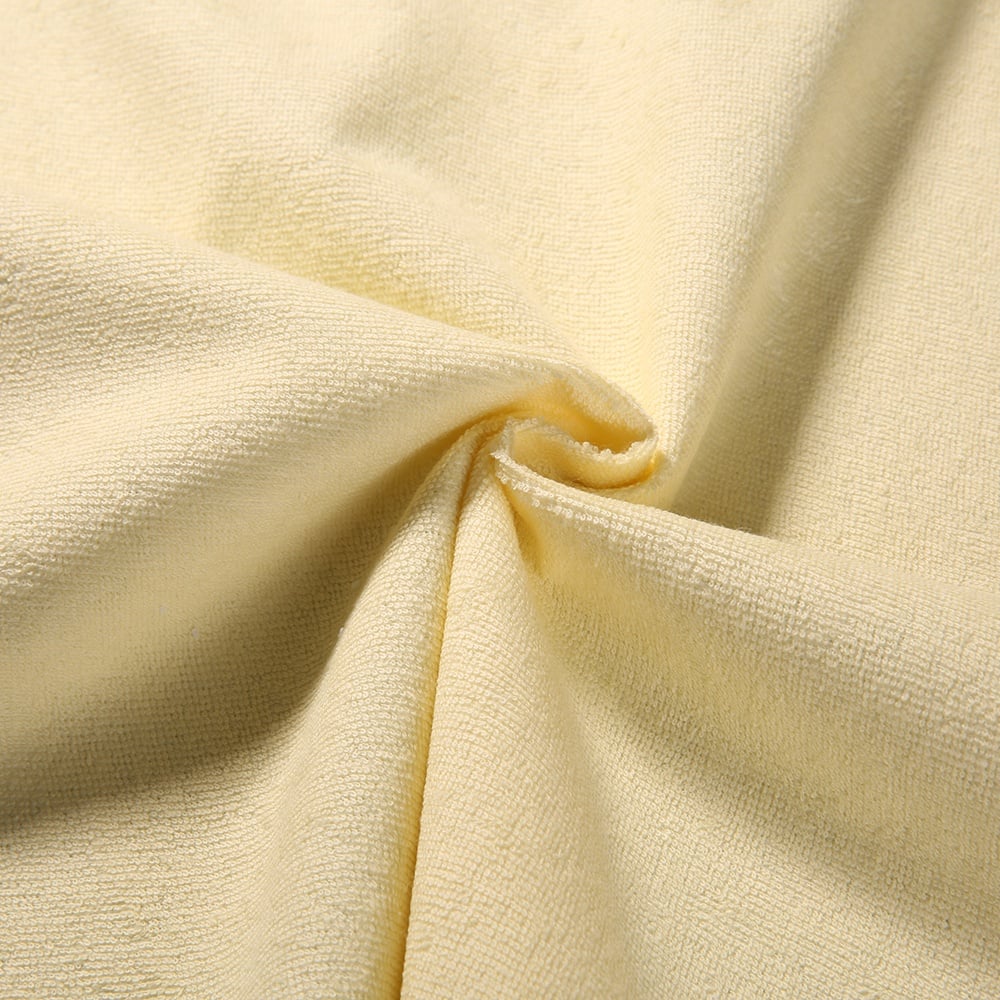
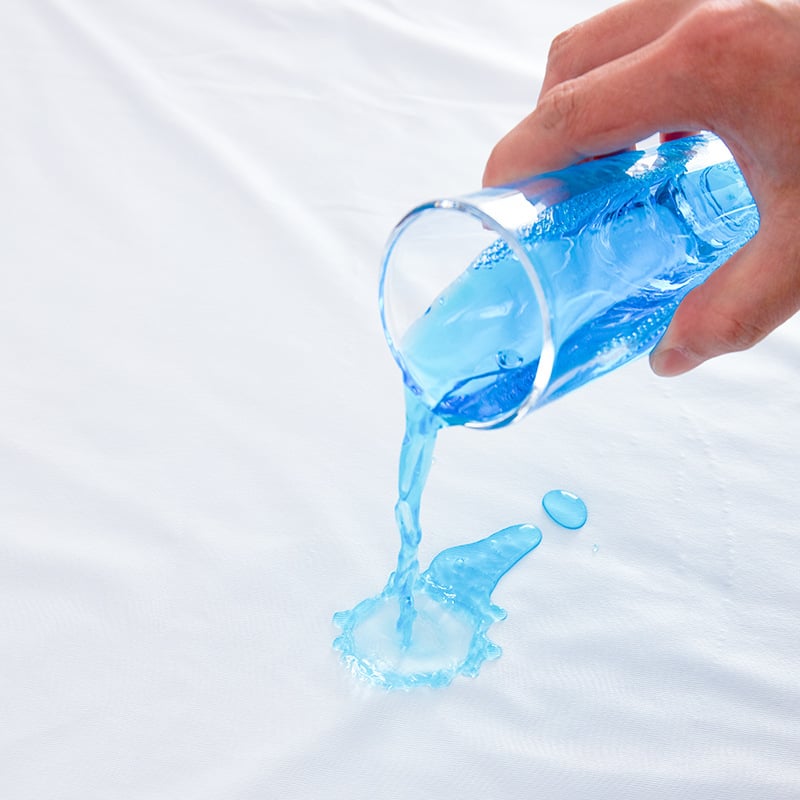
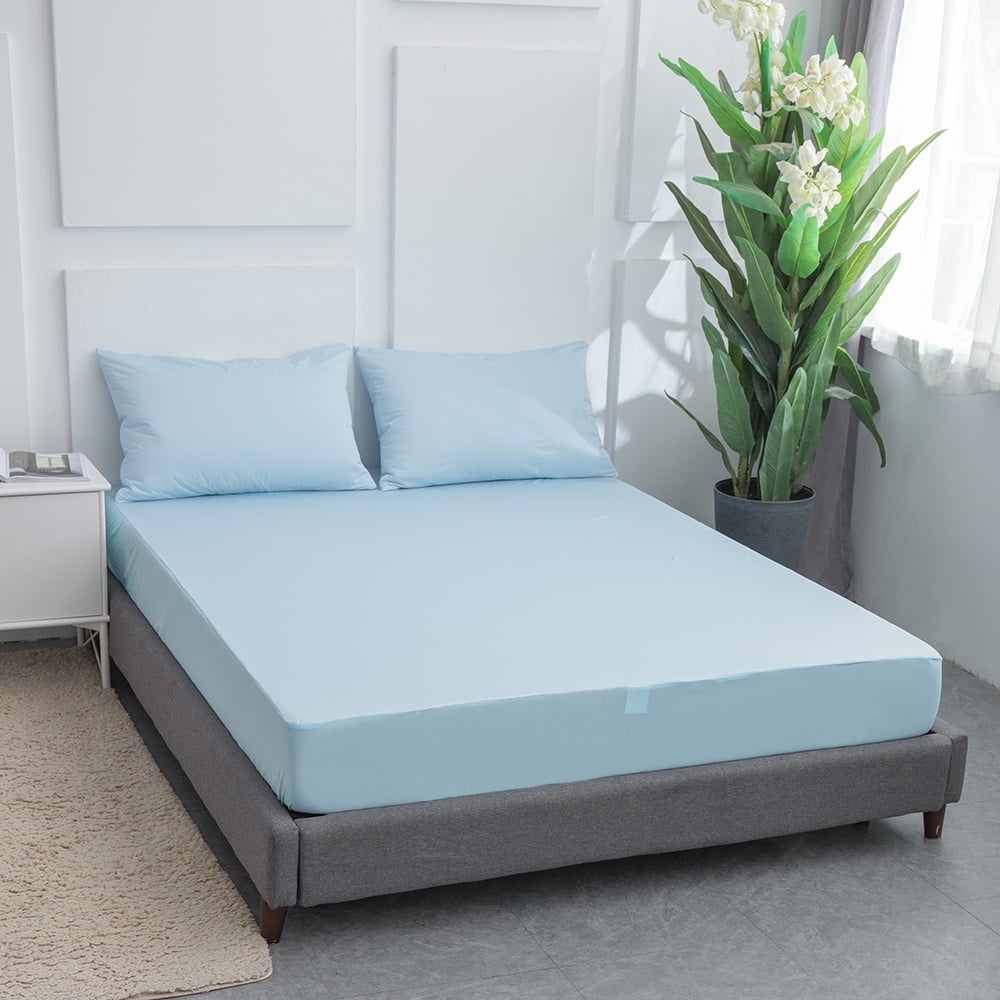
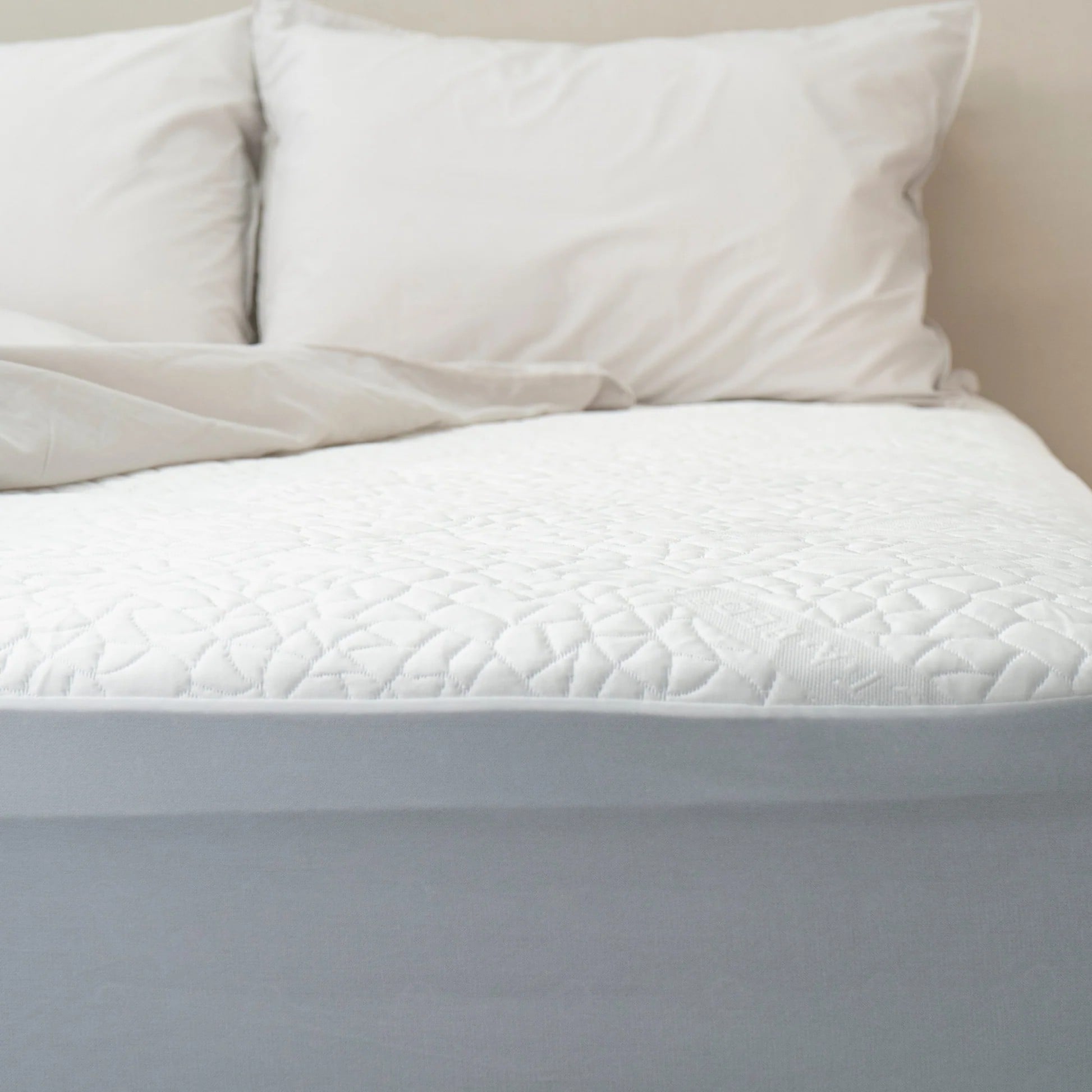
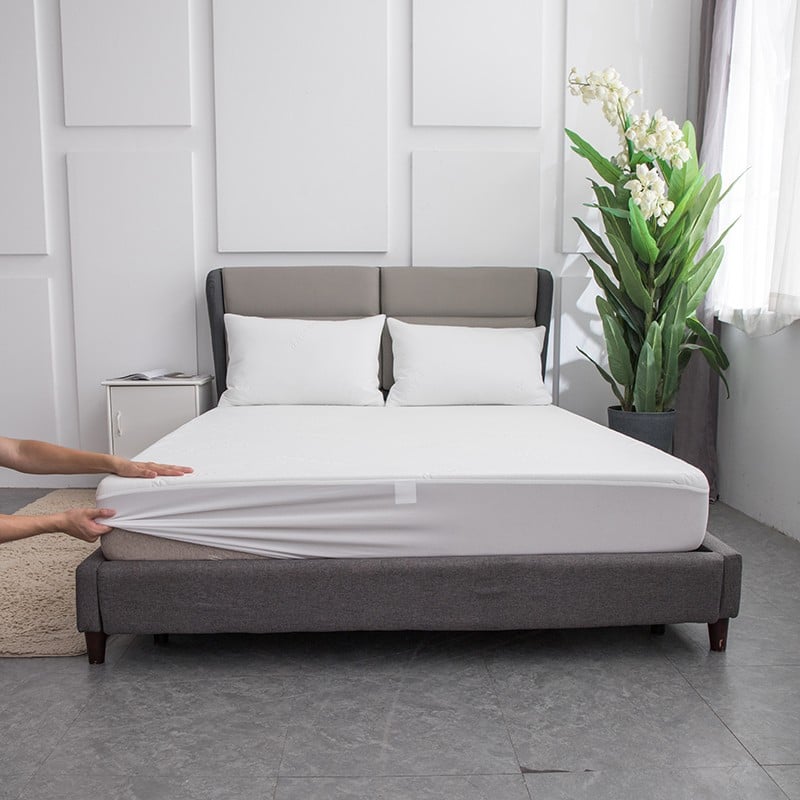
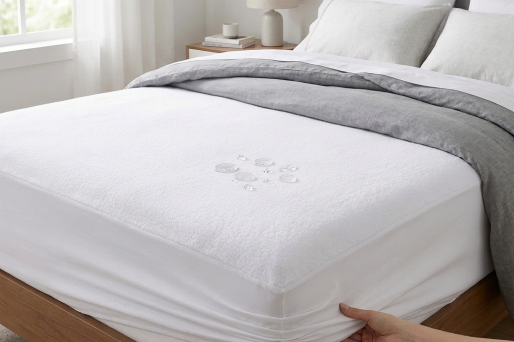
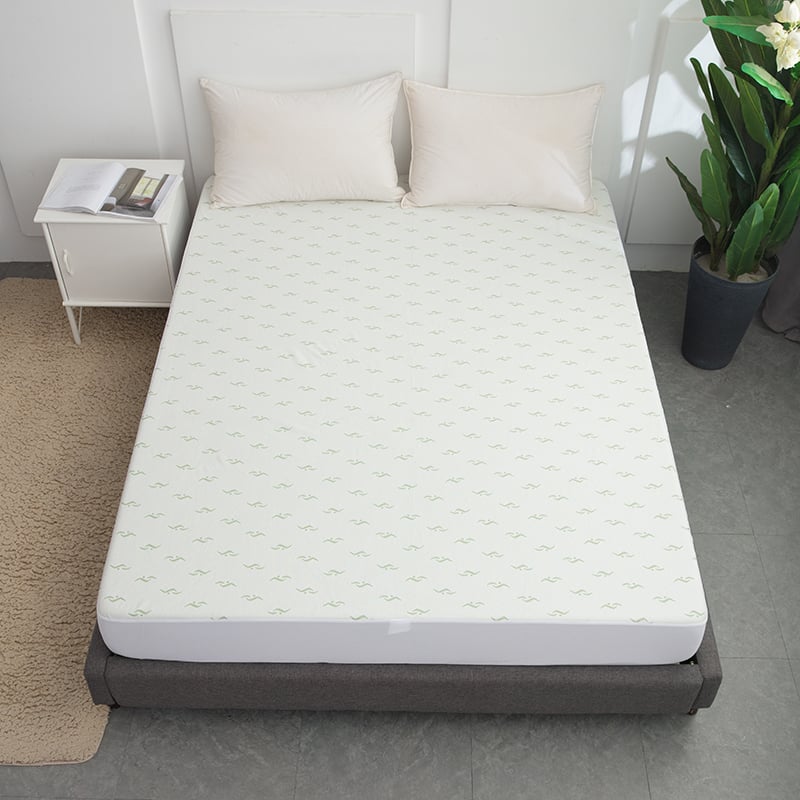
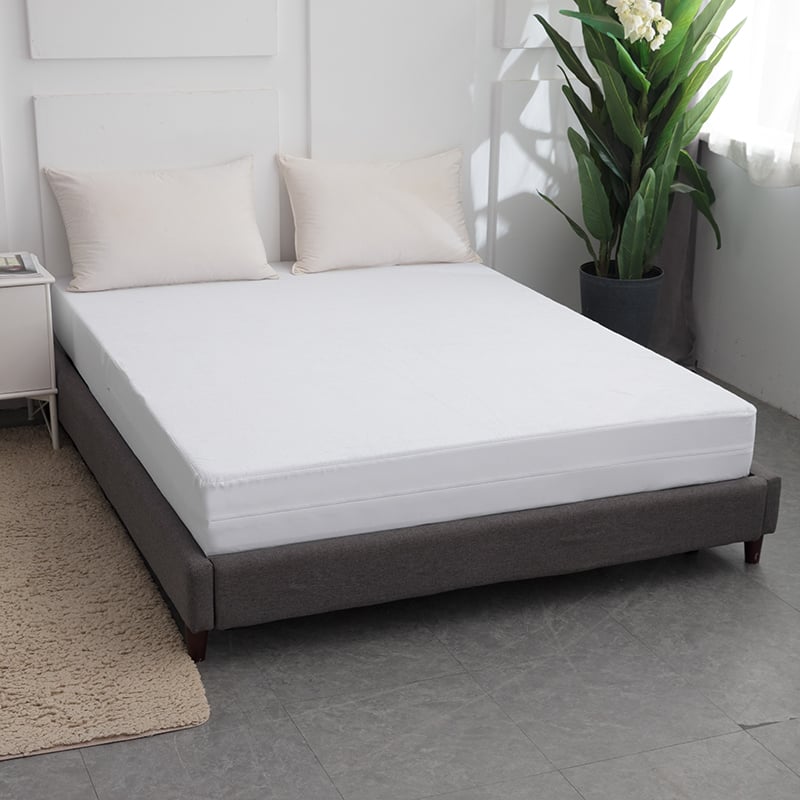
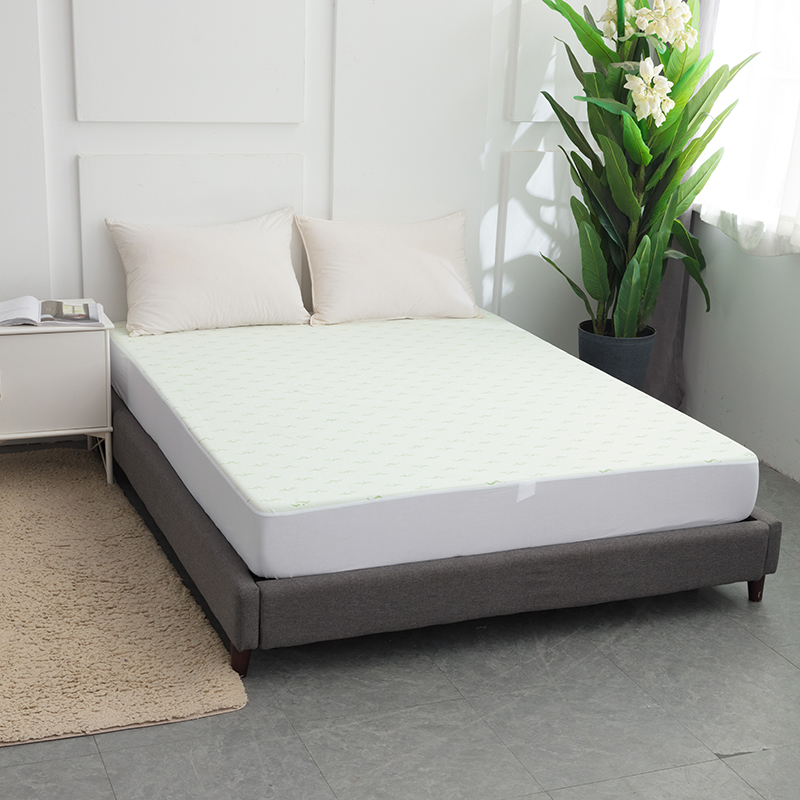
As características hipoalergênicas distinguem os protetores de colchão premium para hotéis como ferramentas essenciais para proteger a saúde dos hóspedes, ao mesmo tempo em que demonstram o compromisso do seu estabelecimento com uma hospitalidade voltada ao bem-estar. Alérgenos acumulam-se rapidamente nos colchões de hotéis devido à constante rotação de hóspedes, cada um potencialmente introduzindo caspa de animais de estimação, pólen, poeira e outros irritantes que se alojam nas fibras do colchão, criando um risco invisível à saúde para hóspedes subsequentes com sensibilidades. O protetor de colchão cria uma barreira física que impede que esses alérgenos penetrem no núcleo do colchão, onde seriam quase impossíveis de remover por métodos convencionais de limpeza. Igualmente importante, a estrutura tecida de forma apertada do protetor impede que alérgenos já existentes retidos em colchões mais antigos migrem para a superfície de sono, onde poderiam afetar hóspedes sensíveis. Essa proteção bidirecional aborda tanto a prevenção da contaminação quanto a contenção do acúmulo histórico de alérgenos. Ácaros-dos-ácaros representam uma das fontes mais comuns de alérgenos em ambientes de cama, prosperando nas condições quentes e úmidas naturalmente proporcionadas pelos colchões. Esses organismos microscópicos alimentam-se de células mortas da pele que os hóspedes descamam todas as noites, e seus resíduos desencadeiam reações alérgicas que variam desde irritação leve até graves distúrbios respiratórios em indivíduos suscetíveis. O protetor de colchão para hotéis impede que os ácaros-dos-ácaros colonizem o próprio colchão, enquanto sua superfície lisa e firmemente construída pode ser facilmente lavada para eliminar quaisquer ácaros que tentem estabelecer-se na parte externa. A lavagem comercial em alta temperatura elimina eficazmente os ácaros-dos-ácaros, e as propriedades de secagem rápida dos protetores de qualidade evitam a retenção de umidade necessária para sua reprodução. Hotéis localizados em climas úmidos ou em regiões costeiras beneficiam-se particularmente dessa funcionalidade anti-alérgica, pois esses ambientes naturalmente favorecem a proliferação dos ácaros-dos-ácaros. Os materiais hipoalergênicos utilizados na fabricação dos protetores são submetidos a testes para verificar que eles próprios não desencadeiam sensibilidades, sendo selecionados pelos fabricantes tecidos e agentes impermeabilizantes com perfis de segurança documentados para contato com a pele humana. As sensibilidades químicas afetam uma parcela crescente do público viajante, tornando essa consideração cada vez mais importante para estabelecimentos hoteleiros que buscam atender às diversas necessidades dos hóspedes. Certificações emitidas por organizações independentes de testes fornecem a verificação de que os protetores atendem a rigorosos padrões de resistência a alérgenos e segurança química. Os estabelecimentos podem utilizar essas certificações em seus materiais promocionais, especialmente ao direcionar-se a viajantes preocupados com a saúde, famílias com crianças pequenas ou hóspedes que procuram especificamente acomodações adequadas para pessoas com alergias. A proteção à saúde estende-se além das alergias, incluindo também a resistência ao crescimento bacteriano e à formação de mofo, ambos favorecidos pelo ambiente úmido gerado pela transpiração corporal e eventuais derramamentos. Tratamentos antimicrobianos incorporados a muitos protetores de nível hoteleiro inibem ativamente a colonização bacteriana, acrescentando uma camada extra de proteção higiênica entre os ciclos de lavagem. Esse recurso revela-se especialmente valioso durante períodos de alta ocupação, quando os quartos precisam ser preparados rapidamente, pois as propriedades antimicrobianas continuam ativas mesmo antes da próxima lavagem do protetor. A satisfação do hóspede correlaciona-se diretamente com a qualidade do sono, e a exposição a alérgenos interfere significativamente no sono de indivíduos sensíveis. Ao implementar uma proteção abrangente para colchões, os hotéis eliminam uma possível fonte de desconforto para os hóspedes, que, caso contrário, poderia resultar em avaliações negativas, estadias encurtadas ou perda de negócios de retorno.
 EN
EN