
Bed Bug Protection That Works on Both Sides of the Problem
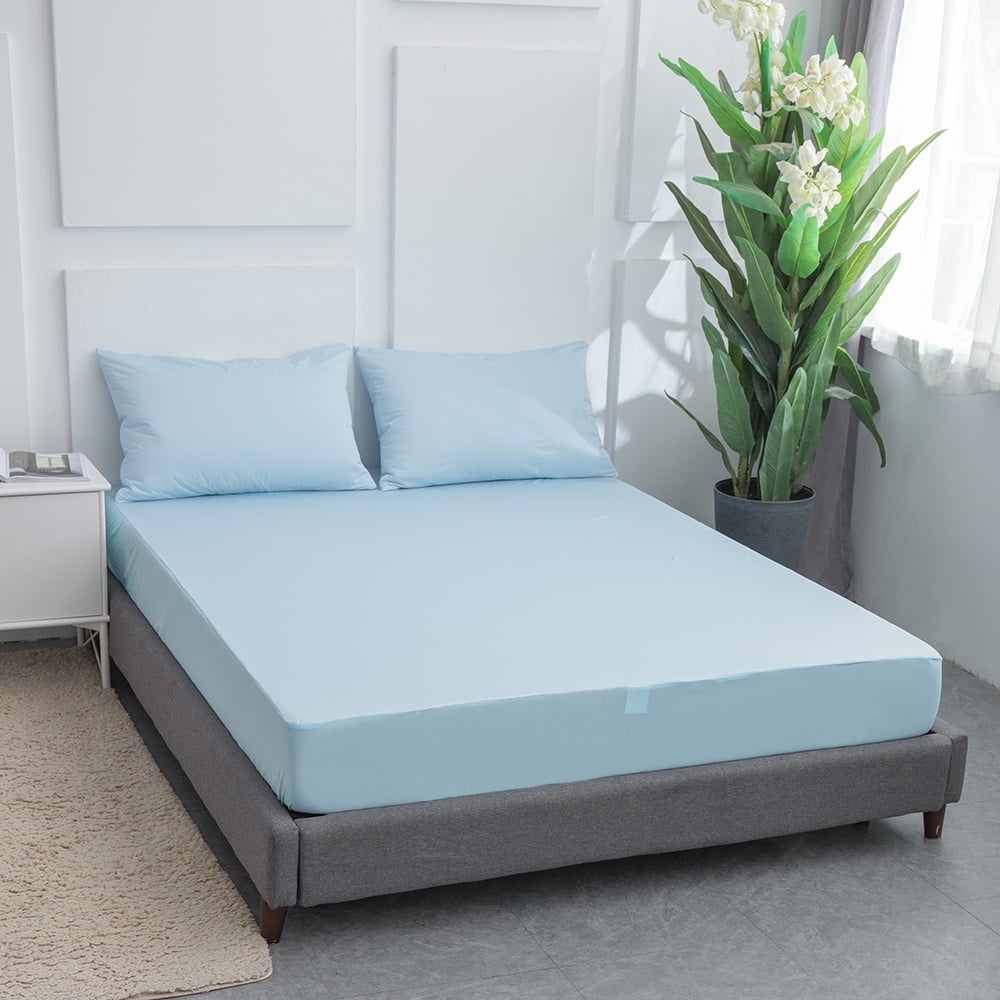
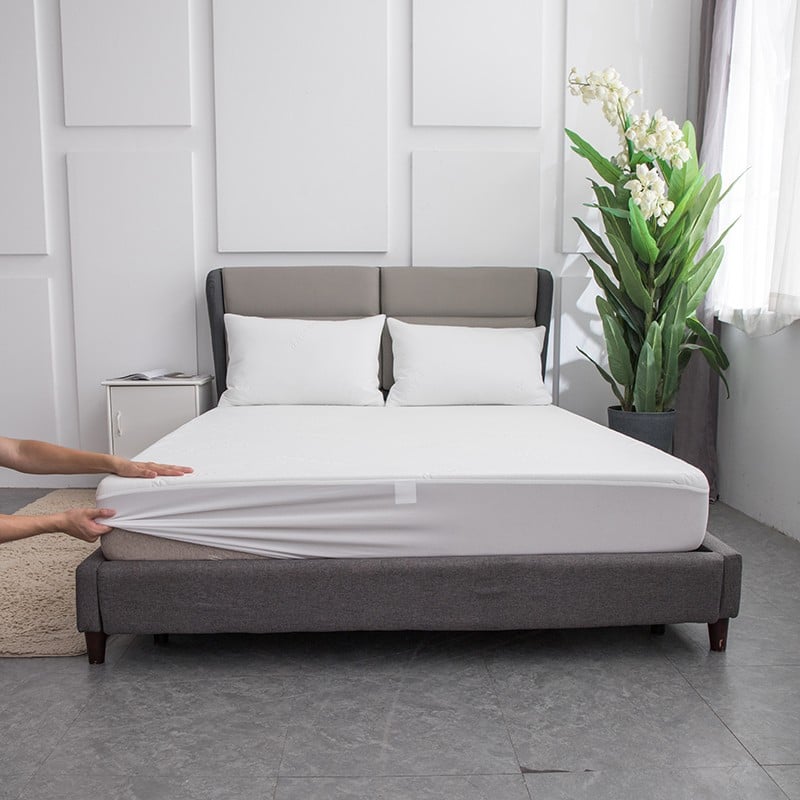
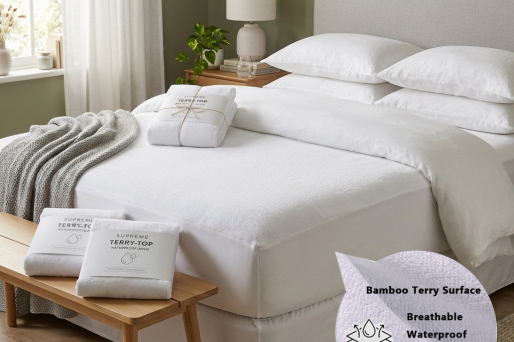
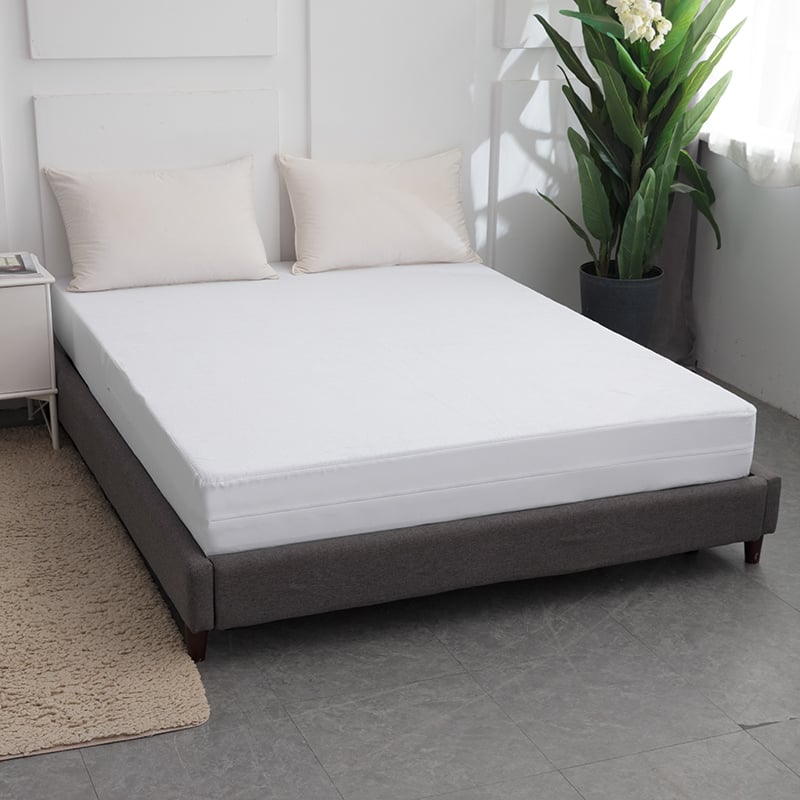
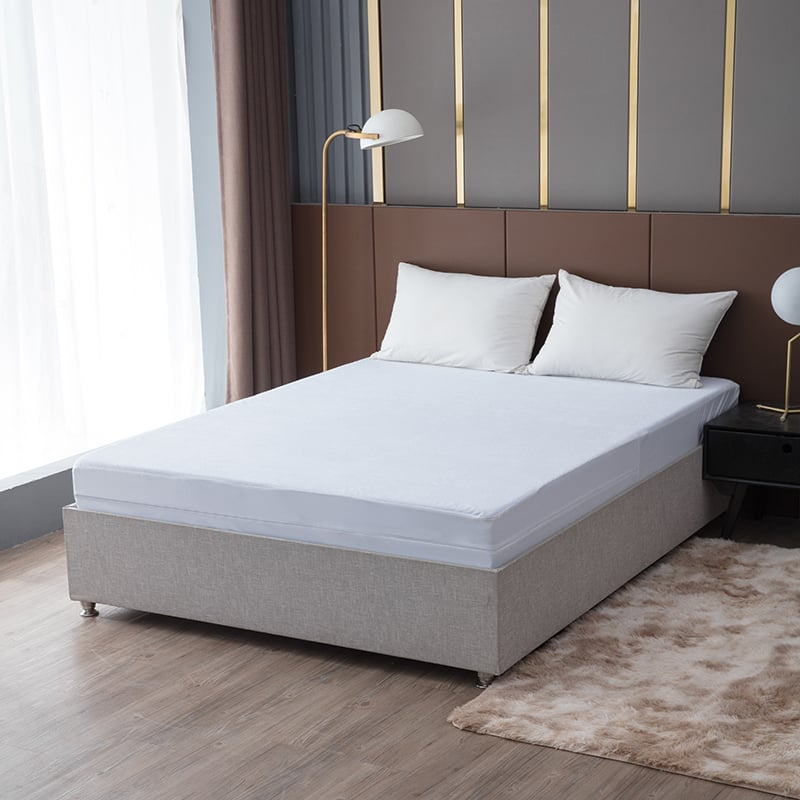
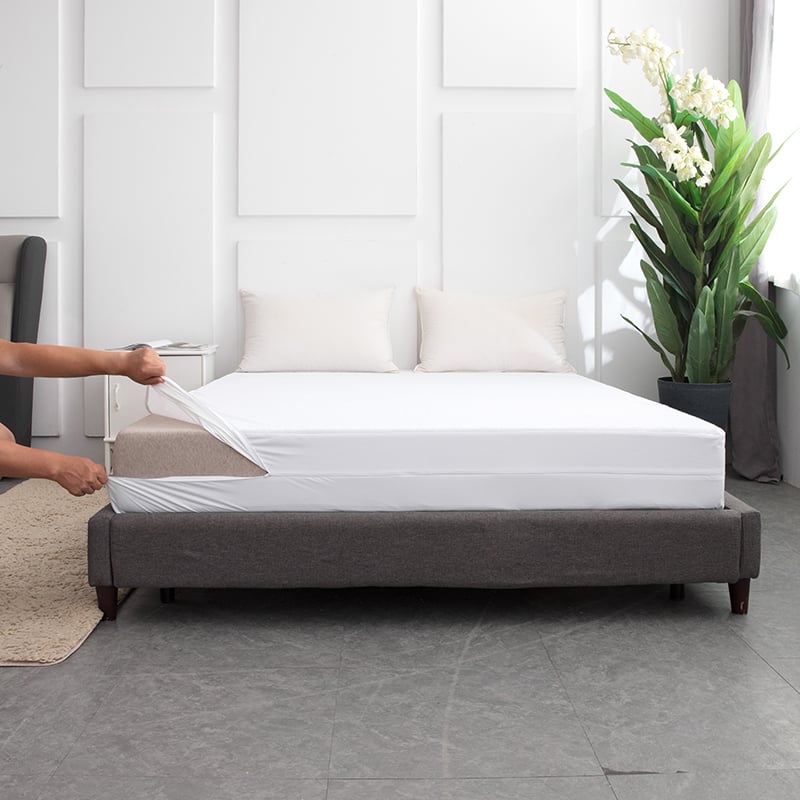
Bed bugs have become a widespread concern in homes, hotels, dormitories, and care facilities, and the breathable mattress encasement addresses this threat in a way that no other single product can match. The challenge with bed bugs is that they are expert hiders, capable of squeezing into seams, tufts, and folds of a mattress where they are nearly impossible to detect or reach with sprays and treatments. Once established inside a mattress, they are extremely difficult to eliminate without discarding the mattress entirely, which represents a costly and disruptive outcome. A breathable mattress encasement changes the equation by removing the mattress as a viable habitat. When you encase a mattress with a breathable mattress encasement, you accomplish two things simultaneously. If bed bugs are already present inside the mattress, the encasement traps them in an environment where they cannot access a food source. Bed bugs feed exclusively on blood, and without access to a host, they will die within months depending on temperature and humidity conditions. The encasement effectively turns the mattress into a sealed trap. At the same time, the breathable mattress encasement prevents new bed bugs from entering the mattress from outside. Whether they are hitchhiking on luggage, clothing, or secondhand furniture, bed bugs that reach the bed surface cannot penetrate the tightly woven fabric or the sealed zipper of a quality breathable mattress encasement. This dual-action protection makes the encasement an essential component of any bed bug prevention or treatment strategy. For travelers who frequently stay in hotels or short-term rentals, carrying a portable breathable mattress encasement provides peace of mind and a physical barrier against picking up an infestation. For property managers and hospitality operators, equipping every mattress with a breathable mattress encasement reduces liability, simplifies room turnover hygiene protocols, and protects the significant capital investment represented by a quality mattress inventory. The zipper design is a critical detail in this context. Budget encasements often use standard zippers that leave a small gap at the closure point, which is large enough for a bed bug to exploit. A properly engineered breathable mattress encasement uses a micro-zipper combined with a fabric flap that covers and seals the zipper track, closing this vulnerability completely. When evaluating a breathable mattress encasement for bed bug protection, the zipper construction is one of the most important specifications to examine. Combined with box spring encasements and regular inspection, a breathable mattress encasement forms the foundation of a comprehensive bed bug management approach that is both proactive and cost-effective.