Premium Duvet Cover Supplier | Wholesale Manufacturing & Custom Solutions

application/duvet-cover-supplier, application/duvet-cover-supplier, 
Get a Quote
Get a Quote

duvet cover supplier

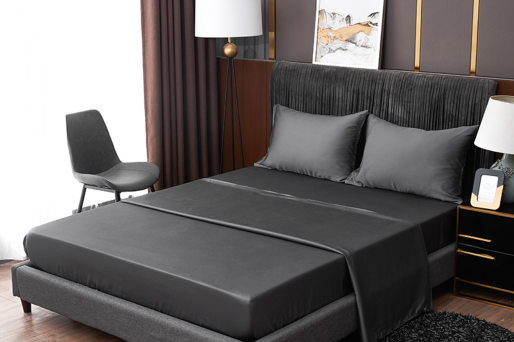
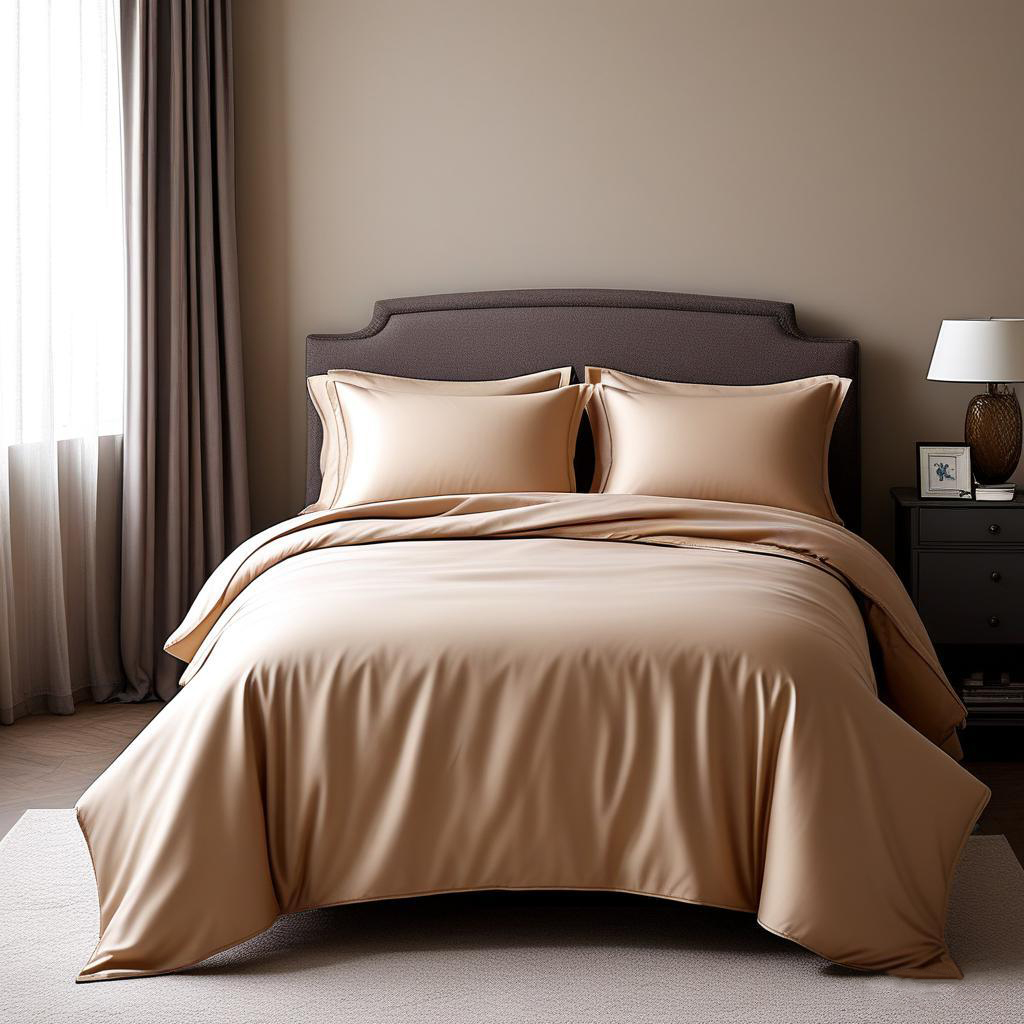
A duvet cover supplier serves as a crucial manufacturing and distribution partner for businesses seeking high-quality bedding solutions for retail, hospitality, and institutional markets. These specialized suppliers operate as comprehensive resource centers, providing everything from initial product design consultation to final delivery of finished duvet covers in various materials, sizes, and styles. The main functions of a professional duvet cover supplier encompass product development, bulk manufacturing, quality assurance testing, inventory management, and logistics coordination. They maintain extensive fabric libraries featuring cotton, linen, microfiber, bamboo blends, and luxury materials like Egyptian cotton or silk. Technological features distinguish leading duvet cover suppliers from basic manufacturers. Advanced suppliers utilize computerized fabric cutting systems that minimize waste while ensuring precise dimensions across thousands of units. They employ automated stitching machinery with programmable patterns for consistent seam quality and durability. Digital printing technology allows suppliers to offer custom designs, patterns, and color matching without minimum order quantity restrictions that previously limited small businesses. Many suppliers now integrate enterprise resource planning systems that provide clients with real-time inventory tracking, order status updates, and automated reordering capabilities. Quality control laboratories test fabric strength, colorfastness, shrinkage rates, and closure durability before shipment. Applications for duvet cover suppliers span multiple industries. Hotels and resorts require bulk quantities with consistent quality standards and rapid replacement capabilities. Interior designers rely on suppliers for custom sizing and exclusive fabric selections that match specific project requirements. E-commerce retailers partner with suppliers offering dropshipping services and private label manufacturing. Healthcare facilities need hypoallergenic, easy-care options that withstand industrial laundering. The duvet cover supplier relationship extends beyond simple product procurement, offering valuable expertise in trend forecasting, sustainable material sourcing, compliance with international textile standards, and competitive pricing structures that improve profit margins for buyers across all sectors.
Working with an established duvet cover supplier delivers numerous practical benefits that directly impact your business operations and customer satisfaction levels. First and foremost, you gain access to economy of scale pricing that independent production simply cannot match. Suppliers purchase raw materials in massive quantities, securing discounts they pass along to clients, reducing your per-unit costs significantly compared to small-batch manufacturing. This pricing advantage becomes especially pronounced when ordering larger volumes, allowing you to maintain competitive retail prices while protecting healthy profit margins. The time savings represent another substantial advantage. Instead of managing multiple vendors for fabric, zippers, buttons, and assembly, you coordinate with a single point of contact who handles the entire production chain. This streamlined communication eliminates coordination headaches and reduces the likelihood of delays caused by supplier miscommunication. Most duvet cover suppliers maintain ready inventory of popular styles and sizes, enabling quick fulfillment for standard orders while also offering reasonable lead times for custom specifications. Quality consistency stands as a critical benefit that protects your brand reputation. Professional suppliers implement standardized production protocols ensuring every duvet cover meets identical specifications. They conduct batch testing throughout production runs, catching defects before shipment rather than after customer complaints. This reliability means you can confidently promise specific quality levels to your customers without worrying about batch-to-batch variations that plague less professional operations. The expertise suppliers bring to partnerships proves invaluable for businesses without extensive textile knowledge. They advise on fabric selection based on your target market, recommend closure types that balance cost with functionality, and suggest design modifications that improve manufacturability without compromising aesthetics. This consultative relationship helps you avoid costly mistakes like choosing beautiful fabrics with poor durability or selecting closure systems that customers find frustrating. Flexibility in order quantities accommodates business growth naturally. Reputable duvet cover suppliers work with emerging businesses placing modest initial orders while scaling seamlessly as your volume increases. They offer various customization levels from fully private label with your branding to semi-custom options where you select from existing designs but add your logo. Many suppliers provide warehousing services, storing your inventory and shipping directly to customers or retail locations as needed, eliminating your need for warehouse space and logistics management. Risk mitigation represents perhaps the most underappreciated advantage. Established suppliers maintain compliance with textile regulations, flammability standards, and labeling requirements across different markets. They carry appropriate insurance and operate within legal frameworks that protect you from liability issues. Their financial stability means your orders get fulfilled even during material shortages or economic disruptions that might shut down smaller operations. Finally, innovation access keeps your product offerings current. Leading duvet cover suppliers invest in researching emerging fabrics, sustainable materials, and construction techniques. They attend international textile trade shows and monitor consumer trends, sharing insights that help you stay ahead of market shifts and offer products your competitors have not yet discovered.

Practical Tips

Safe Sleep, Pure Protection: OEKO-TEX® Certified Waterproof Mattress Cover

18

Aug

Safe Sleep, Pure Protection: OEKO-TEX® Certified Waterproof Mattress Cover

View More
Cheers to a Night of Milestones: Jiangsu Etang Celebrates a Year of Growth & Innovation

13

Mar

Cheers to a Night of Milestones: Jiangsu Etang Celebrates a Year of Growth & Innovation

View More
Unlocking TPU Nanotechnology: Why Your Waterproof Mattress Protector Can Be Leak-Proof and Breathable at the Same Time?

14

May

Unlocking TPU Nanotechnology: Why Your Waterproof Mattress Protector Can Be Leak-Proof and Breathable at the Same Time?

View More
Bamboo vs. Cotton vs. Lyocell: Which Waterproof Mattress Protector Top Layer Is Right for You?

05

Aug

Bamboo vs. Cotton vs. Lyocell: Which Waterproof Mattress Protector Top Layer Is Right for You?

View More

Get a Free Quote

Our representative will contact you soon.
0/1000
Comprehensive Customization Capabilities Transform Your Brand Identity

Comprehensive Customization Capabilities Transform Your Brand Identity

The customization capabilities offered by professional duvet cover suppliers represent a transformative advantage for businesses seeking to establish distinctive brand identities in competitive bedding markets. Unlike generic wholesale purchasing where you select from limited existing inventory, partnerships with full-service suppliers unlock extensive personalization options that align products precisely with your vision and customer expectations. Fabric selection forms the foundation of customization, with suppliers maintaining libraries featuring dozens of material options across various price points and performance characteristics. You choose from natural fibers like organic cotton certified by recognized standards, breathable linen that appeals to eco-conscious consumers, or innovative bamboo blends that offer antimicrobial properties alongside sustainability credentials. Synthetic options include microfiber variations engineered for specific benefits such as wrinkle resistance, stain repellence, or hypoallergenic properties that serve customers with sensitivities. Suppliers provide detailed specifications for each fabric including thread count, weight measurements, care requirements, and expected lifespan under normal use conditions, enabling informed decisions that balance quality with target pricing. Design customization extends far beyond simple color selection. Modern duvet cover suppliers employ digital printing technologies that reproduce complex patterns, photographic images, or intricate artwork with remarkable fidelity. This capability allows small businesses and individual designers to create truly unique products without the prohibitive setup costs traditionally associated with custom textile printing. You can develop seasonal collections, limited edition collaborations, or personalized products for niche markets without committing to enormous minimum quantities. Embroidery and applique services add dimensional elements that elevate perceived value, with computerized machinery ensuring consistent execution across production runs. Structural customization addresses functional requirements specific to different markets. Suppliers can modify standard dimensions to accommodate oversized comforters popular in North American markets or create European sizes that differ from US standards. Closure systems offer multiple options including hidden zippers that maintain clean aesthetics, button closures that add decorative elements, or tie closures that appeal to vintage or farmhouse style preferences. Corner tie placements can be customized to match specific duvet construction, ensuring covers stay properly positioned during use. Some suppliers offer interior envelope closures that eliminate the need for separate fasteners while preventing duvet shifting. Branding integration completes the customization package, transforming generic products into marketing assets. Suppliers can weave custom labels featuring your logo and care instructions, add embroidered brand marks to visible locations, or incorporate branded packaging that enhances unboxing experiences. This comprehensive branding approach builds customer recognition and loyalty while justifying premium pricing that commodity products cannot command. The customization process itself benefits from supplier expertise. Experienced teams guide you through option selection, recommend combinations that optimize manufacturability without sacrificing design intent, and provide samples before full production commitments. They understand how different fabrics accept dyes, which closure types work best with specific materials, and how design elements affect production timelines and costs. This collaborative approach prevents costly mistakes while accelerating time-to-market for new concepts, giving you competitive advantages in rapidly changing consumer markets.
Rigorous Quality Control Systems Ensure Consistent Excellence

Rigorous Quality Control Systems Ensure Consistent Excellence

Quality control systems implemented by professional duvet cover suppliers provide essential protection for your brand reputation and customer satisfaction rates through comprehensive testing protocols that identify and eliminate defects before products reach end users. These multi-stage inspection processes represent significant investments in equipment, training, and procedures that individual businesses cannot economically replicate, making supplier partnerships particularly valuable for maintaining consistent product excellence across large volumes. Incoming material inspection forms the first quality checkpoint, where suppliers examine raw fabrics upon delivery from textile mills. Inspectors verify fabric weight matches specifications by weighing measured sections, confirm thread count accuracy through magnified counting, and assess color consistency by comparing samples against approved standards under controlled lighting conditions. They test fabric integrity by stretching samples to identify weak areas, examine for manufacturing flaws like slubs or pulled threads, and verify dimensional stability by measuring pieces before and after controlled washing. This initial screening prevents defective materials from entering production, avoiding waste and delays that occur when problems surface during later manufacturing stages. In-process quality monitoring occurs throughout production as skilled technicians examine work at critical stages rather than waiting until completion to assess quality. During cutting operations, supervisors verify pattern placement accuracy and check that automated systems maintain proper blade sharpness for clean edges without fraying. At sewing stations, quality checkers examine seam straightness, stitch density, and thread tension, ensuring consistency that affects both appearance and durability. They verify that closure installations align properly, fasteners operate smoothly through multiple cycles, and reinforcement stitching appears at stress points. This continuous monitoring enables immediate correction when issues emerge, preventing the production of large defective batches that create significant financial losses and deadline disruptions. Laboratory testing provides objective performance data that subjective visual inspection cannot assess. Quality control labs maintain equipment for standardized testing protocols including fabric tensile strength measurements that predict how materials withstand normal use stresses, colorfastness testing that simulates repeated washing to verify dyes will not fade excessively or bleed onto other items, and shrinkage analysis that determines dimensional changes after laundering. Some suppliers conduct pilling resistance tests that predict how fabric surfaces will maintain smooth appearance over time, seam strength tests that measure how much force causes stitching failure, and closure durability testing that cycles zippers or buttons thousands of times to simulate extended use. These objective measurements ensure products meet specified performance standards rather than relying solely on subjective assessments. Final inspection represents the last defense against defective products reaching customers. Trained inspectors examine finished duvet covers piece by piece, checking for cosmetic flaws like stains, incorrect labels, or packaging damage while also verifying functional elements operate correctly. They confirm dimensions match specifications, ensure right and wrong sides face correctly, and verify accessories like care instruction tags attach securely. Many suppliers employ random sampling plans based on statistical quality control principles, inspecting predetermined percentages of each production run with acceptance criteria that balance perfect quality aspirations against economic realities. Documentation systems track quality metrics throughout production, creating accountability and enabling continuous improvement initiatives. Suppliers maintain detailed records showing defect rates by type, production line, and time period, allowing management to identify patterns and implement corrective actions. These quality management systems often align with international standards like ISO certifications that demonstrate commitment to consistent processes and customer satisfaction, providing additional assurance that your duvet cover supplier maintains professional operational standards worthy of your business partnership and customer trust.
Streamlined Logistics and Inventory Management Optimize Business Operations

Streamlined Logistics and Inventory Management Optimize Business Operations

Professional duvet cover suppliers deliver substantial operational advantages through sophisticated logistics and inventory management systems that eliminate common frustrations businesses face when sourcing products from multiple vendors or managing complex supply chains independently. These integrated services transform suppliers from simple product sources into strategic partners that actively contribute to your operational efficiency and financial performance. Consolidated shipping represents an immediate practical benefit, particularly for businesses ordering multiple product variations or combining duvet covers with other bedding items. Rather than coordinating separate deliveries from fabric suppliers, closure manufacturers, and assembly operations, you receive complete orders from a single location on predictable schedules. This consolidation dramatically reduces freight costs compared to multiple small shipments, simplifies receiving procedures at your warehouse or retail locations, and minimizes the risk of delayed launches caused by one component arriving late. Many suppliers negotiate preferential rates with logistics carriers due to their shipping volumes, discounts they extend to clients for additional savings. Inventory management services offered by advanced duvet cover suppliers provide flexibility that proves especially valuable for businesses with limited warehouse space or seasonal demand fluctuations. Suppliers can warehouse your finished goods in their facilities, shipping quantities as needed to fulfill customer orders or restock retail locations. This arrangement converts fixed warehouse costs into variable expenses that scale with sales volume while eliminating the capital investment required to maintain your own storage facilities. For e-commerce businesses, some suppliers offer direct fulfillment services where they pick, pack, and ship individual orders to your customers, allowing you to operate without any physical inventory investment while maintaining quality control over product sourcing. Demand forecasting collaboration helps prevent the twin problems of stockouts that lose sales and excess inventory that ties up capital. Experienced suppliers analyze your historical ordering patterns, discuss your marketing plans and growth projections, and recommend inventory strategies that balance product availability against carrying costs. They can produce core items for immediate delivery while manufacturing custom or seasonal items on scheduled timelines that align with your promotional calendar. This collaborative planning reduces emergency rush orders that carry premium pricing while ensuring popular items remain available during peak demand periods. Technology integration streamlines administrative tasks and provides visibility throughout the supply chain. Modern suppliers offer client portals where you access real-time inventory levels, review order status from production through delivery, download product specifications and images for your marketing materials, and place reorders without email or phone communication delays. Some systems enable automated reordering when inventory reaches predetermined thresholds, ensuring continuous availability without constant monitoring. These platforms often include reporting tools that analyze your purchasing patterns, identify your best-selling items, and calculate key metrics like inventory turnover rates that inform better business decisions. International sourcing complexity disappears when working with established duvet cover suppliers who maintain expertise in customs regulations, import documentation, and compliance requirements across different markets. They manage tariff classifications, handle duty payments, ensure products meet destination country standards for labeling and safety, and navigate the bureaucratic requirements that often overwhelm businesses attempting international sourcing independently. This expertise proves particularly valuable during regulatory changes or trade policy shifts that require rapid adaptation to maintain supply continuity. Financial flexibility through various payment terms accommodates different business models and growth stages. Established suppliers often extend net payment terms to qualified businesses, improving your cash flow by allowing product sales before payment obligations come due. Some offer volume discounts that reward larger commitments while others provide pricing stability guarantees that protect you from market volatility in raw material costs. These financial arrangements, combined with the operational efficiencies described above, transform your relationship with your duvet cover supplier from a simple vendor transaction into a strategic partnership that actively supports your business success and growth objectives.