
Laminated Fabric Suppliers | Quality Materials

application/laminated-fabric-suppliers, application/laminated-fabric-suppliers, 
Get a Quote
application/laminated-fabric-suppliers, application/laminated-fabric-suppliers, 
Get a Quote

laminated fabric suppliers

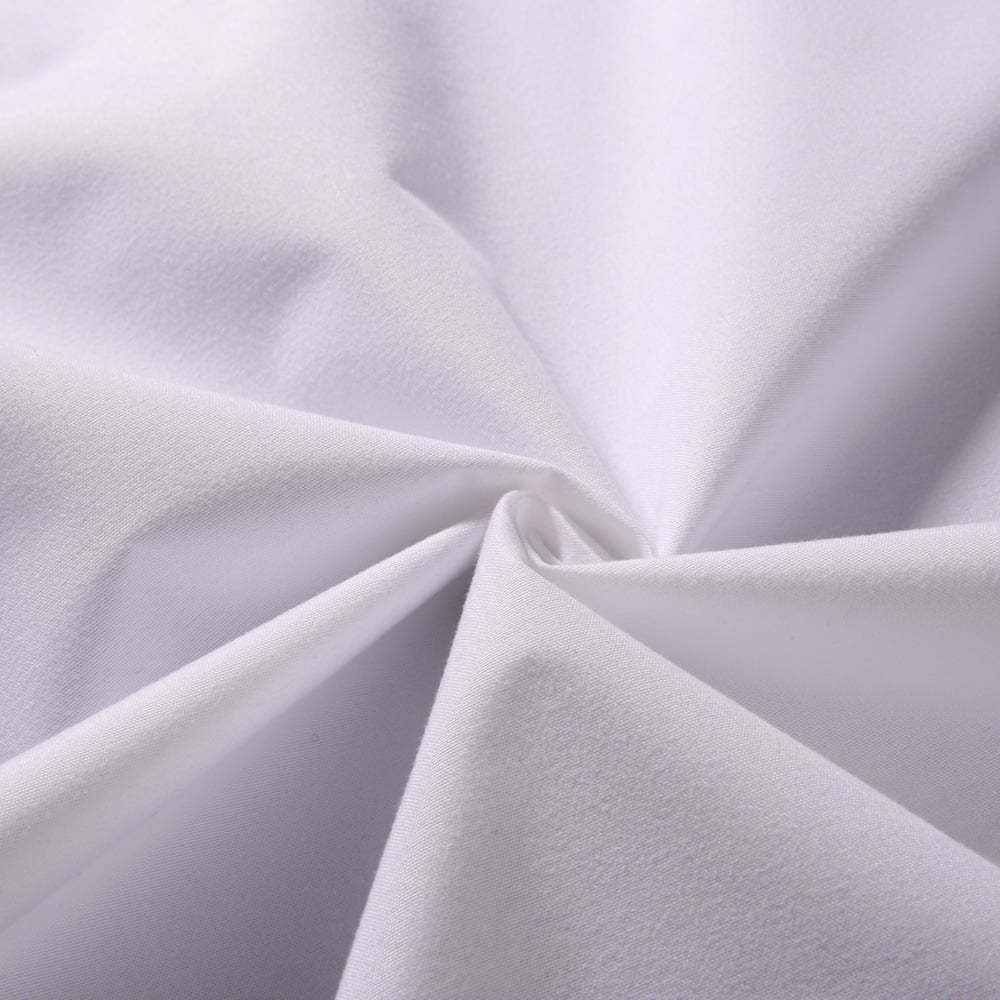
Laminated fabric suppliers play a crucial role in providing advanced textile solutions that combine multiple material layers into cohesive, high-performance fabrics. These specialized suppliers manufacture fabrics by bonding different materials together using adhesives, heat, or pressure, creating products with enhanced durability, waterproofing, and protective qualities. The main function of laminated fabric suppliers is to deliver customized fabric solutions that meet specific industry requirements, from medical textiles to outdoor gear and industrial applications. Technologically, these suppliers employ state-of-the-art lamination processes including flame lamination, adhesive bonding, and ultrasonic welding to ensure strong interlayer adhesion without compromising fabric flexibility. They work with diverse base materials such as polyester, nylon, cotton, and technical membranes to produce fabrics with targeted characteristics like breathability, chemical resistance, or flame retardancy. Applications for laminated fabrics span numerous sectors including apparel manufacturing, automotive interiors, protective workwear, medical products, outdoor equipment, and industrial textiles. Leading laminated fabric suppliers maintain rigorous quality control standards and offer technical support to help clients select appropriate fabric specifications for their applications. They provide various customization options including thickness control, color matching, texture variations, and performance enhancements. By partnering with experienced laminated fabric suppliers, manufacturers gain access to innovative materials that improve product performance, extend service life, and meet evolving market demands for functional, reliable textile solutions across diverse commercial and industrial applications.
Working with professional laminated fabric suppliers delivers significant practical benefits that directly impact your product quality and business efficiency. These suppliers provide access to advanced materials engineered specifically for demanding applications, ensuring your products meet performance standards while reducing development time and costs. The primary buyer value comes from receiving tested, proven fabric solutions that eliminate trial-and-error experimentation, allowing you to bring products to market faster with confidence in material performance. Operationally, established laminated fabric suppliers maintain consistent inventory levels and reliable delivery schedules, preventing production disruptions and enabling better planning for your manufacturing cycles. Their technical expertise helps you select optimal fabric specifications for your specific applications, avoiding costly mistakes from inappropriate material choices. Many suppliers offer flexible minimum order quantities, accommodating both large-scale production runs and smaller specialty projects without excessive inventory burdens. Quality assurance protocols implemented by reputable suppliers guarantee consistent fabric performance across batches, reducing defect rates and warranty claims. Application suitability represents another key advantage, as experienced suppliers understand industry-specific requirements and can recommend fabrics that comply with relevant safety standards, environmental regulations, and performance certifications. They often provide sample materials for testing before full orders, minimizing financial risk when developing new products. From a decision-making perspective, partnering with knowledgeable laminated fabric suppliers gives you access to ongoing material innovation, as these companies continuously develop improved formulations and lamination techniques. Their industry connections and market insights help you stay competitive by adopting emerging fabric technologies before competitors. Cost efficiency improves through optimized material usage guidance and bulk purchasing advantages, while their technical support reduces the need for in-house material science expertise, lowering overhead expenses while maintaining high product standards.

Latest News

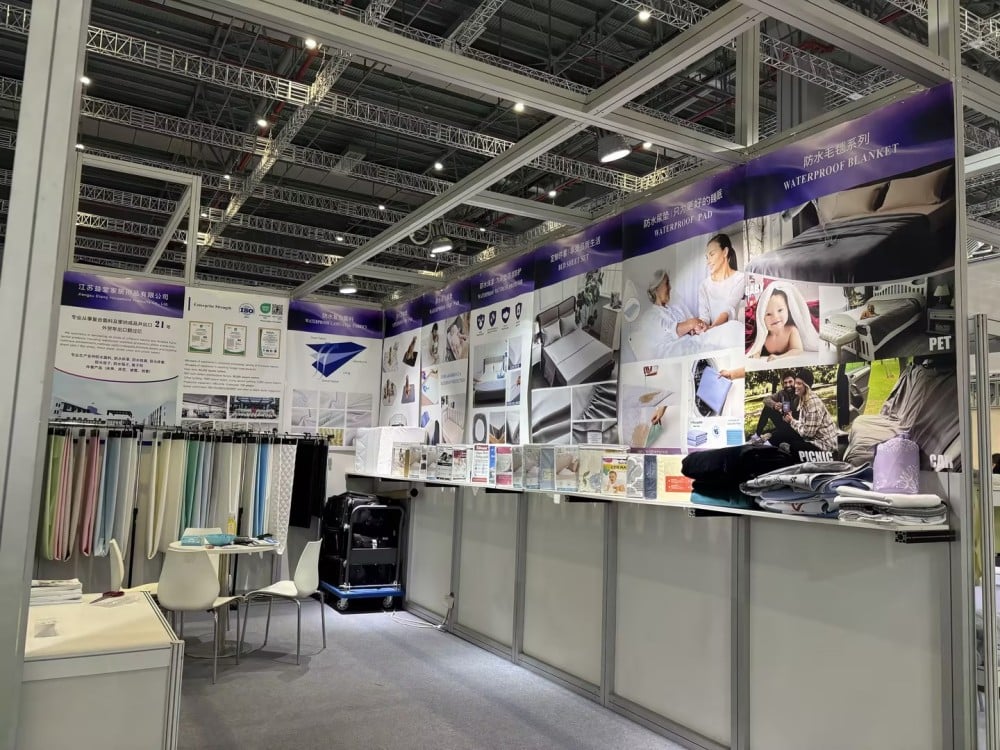
Jiangsu Etang Household Products Co., Ltd to Shine at 2025 Intertextile Shanghai Home Textiles Expo

11

Aug

Jiangsu Etang Household Products Co., Ltd to Shine at 2025 Intertextile Shanghai Home Textiles Expo

View More
Cheers to a Night of Milestones: Jiangsu Etang Celebrates a Year of Growth & Innovation

13

Mar

Cheers to a Night of Milestones: Jiangsu Etang Celebrates a Year of Growth & Innovation

View More
Bamboo vs. Cotton vs. Lyocell: Which Waterproof Mattress Protector Top Layer Is Right for You?

05

Aug

Bamboo vs. Cotton vs. Lyocell: Which Waterproof Mattress Protector Top Layer Is Right for You?

View More
Bamboo Terry Waterproof Mattress Protector: The Cool, Quiet & Leak-Proof Solution

29

Jul

Bamboo Terry Waterproof Mattress Protector: The Cool, Quiet & Leak-Proof Solution

View More

Get a Free Quote

Our representative will contact you soon.
0/1000
Customized Material Engineering Solutions

Customized Material Engineering Solutions

Leading laminated fabric suppliers distinguish themselves through their ability to engineer customized fabric solutions tailored to precise application requirements. Rather than offering only standard catalog products, these suppliers collaborate closely with clients to understand specific performance needs, environmental conditions, and regulatory requirements. They analyze factors such as required tensile strength, abrasion resistance, flexibility, weight specifications, and aesthetic preferences to develop optimal laminate constructions. This customization capability extends to selecting appropriate base fabrics, membrane layers, adhesive systems, and finishing treatments that work synergistically to achieve target performance characteristics. Advanced suppliers utilize sophisticated testing equipment to validate fabric properties before full production, ensuring materials perform as expected in real-world conditions. This engineering approach proves particularly valuable for specialized applications where off-the-shelf fabrics fall short, such as extreme temperature environments, chemical exposure situations, or products requiring specific certification compliance. The collaborative development process reduces time-to-market for innovative products while minimizing the risk of material failures. By leveraging the technical knowledge and manufacturing capabilities of experienced laminated fabric suppliers, companies access material solutions that provide competitive advantages through superior performance, distinctive aesthetics, or cost-effective production.
Comprehensive Quality Assurance Programs

Comprehensive Quality Assurance Programs

Quality assurance represents a fundamental differentiator among laminated fabric suppliers, with top-tier providers implementing rigorous testing and inspection protocols throughout the manufacturing process. These comprehensive programs begin with incoming raw material verification to ensure base fabrics and lamination components meet specified standards before production commences. During manufacturing, suppliers conduct in-process monitoring of critical parameters such as lamination temperature, pressure application, bond strength, and layer alignment to maintain consistency across production runs. Finished fabric undergoes extensive testing for properties including peel strength, water resistance, breathability, colorfastness, dimensional stability, and compliance with industry-specific standards. Reputable laminated fabric suppliers maintain accredited testing laboratories equipped with specialized instruments for objective performance measurement, providing clients with certified test reports documenting fabric characteristics. They implement traceability systems that track materials from raw components through finished products, enabling rapid identification of any quality issues and facilitating continuous improvement initiatives. This quality focus translates into tangible benefits for buyers, including reduced defect rates, predictable material performance, fewer production disruptions, and enhanced end-product reliability. Quality-focused suppliers also stay current with evolving industry standards and testing methodologies, ensuring their fabrics meet the latest regulatory requirements for various markets and applications, which protects clients from compliance risks and market access barriers.
Technical Support and Application Expertise

Technical Support and Application Expertise

Superior laminated fabric suppliers differentiate themselves through comprehensive technical support services that extend well beyond simple product sales. Their teams include material scientists, application engineers, and industry specialists who provide expert guidance throughout the product development lifecycle. This support begins with initial consultation to understand project requirements, continues through material selection and testing phases, and extends to troubleshooting production challenges and optimizing fabric performance in finished products. Knowledgeable suppliers share insights about emerging fabric technologies, alternative material options, and innovative lamination techniques that may enhance product functionality or reduce costs. They assist with interpreting technical specifications, conducting comparative analyses between fabric options, and predicting long-term performance based on application conditions. Many suppliers offer design assistance to help clients integrate laminated fabrics effectively into their products, addressing concerns about seaming methods, bonding techniques, and compatibility with other components. This application expertise proves especially valuable when entering new markets or developing unfamiliar product categories, as suppliers can draw upon experience across diverse industries to recommend proven approaches and avoid common pitfalls. Access to such technical resources effectively extends your internal capabilities without the expense of maintaining specialized staff, accelerating development timelines while improving outcomes through informed material decisions backed by supplier expertise and testing capabilities.