Premium PUL Fabric Manufacturers - Waterproof Textile Solutions & Custom Production

application/pul-fabric-manufacturers, application/pul-fabric-manufacturers, 
Get a Quote
application/pul-fabric-manufacturers, application/pul-fabric-manufacturers, 
Get a Quote

pul fabric manufacturers

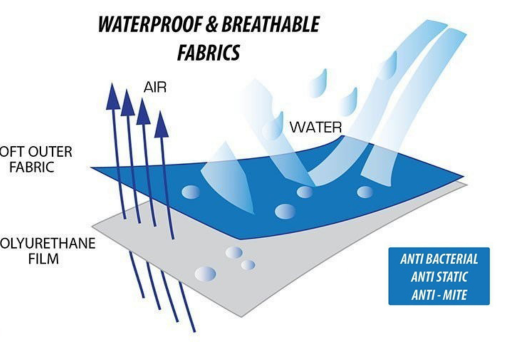
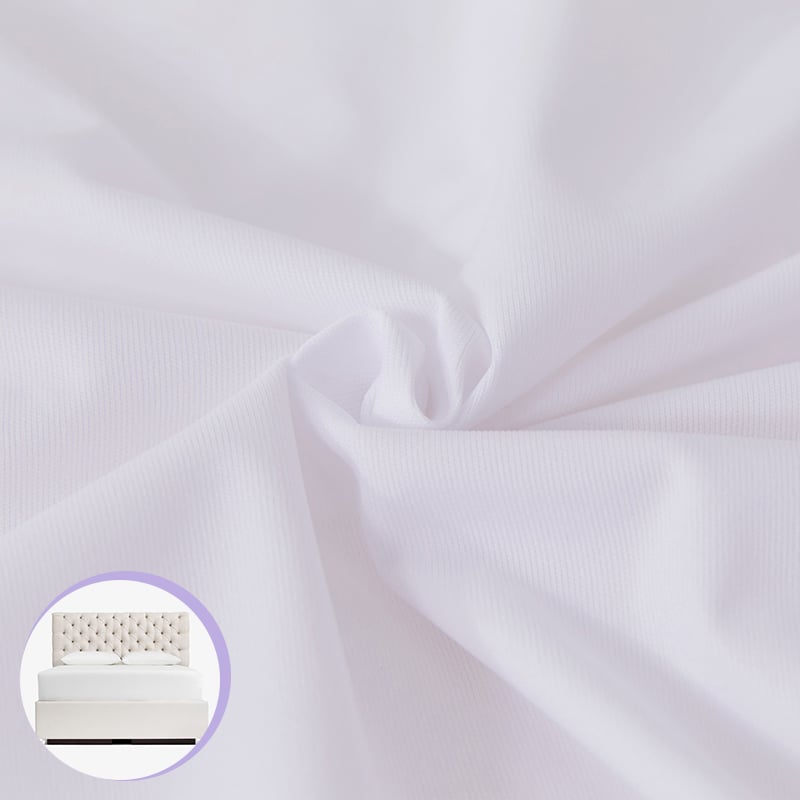
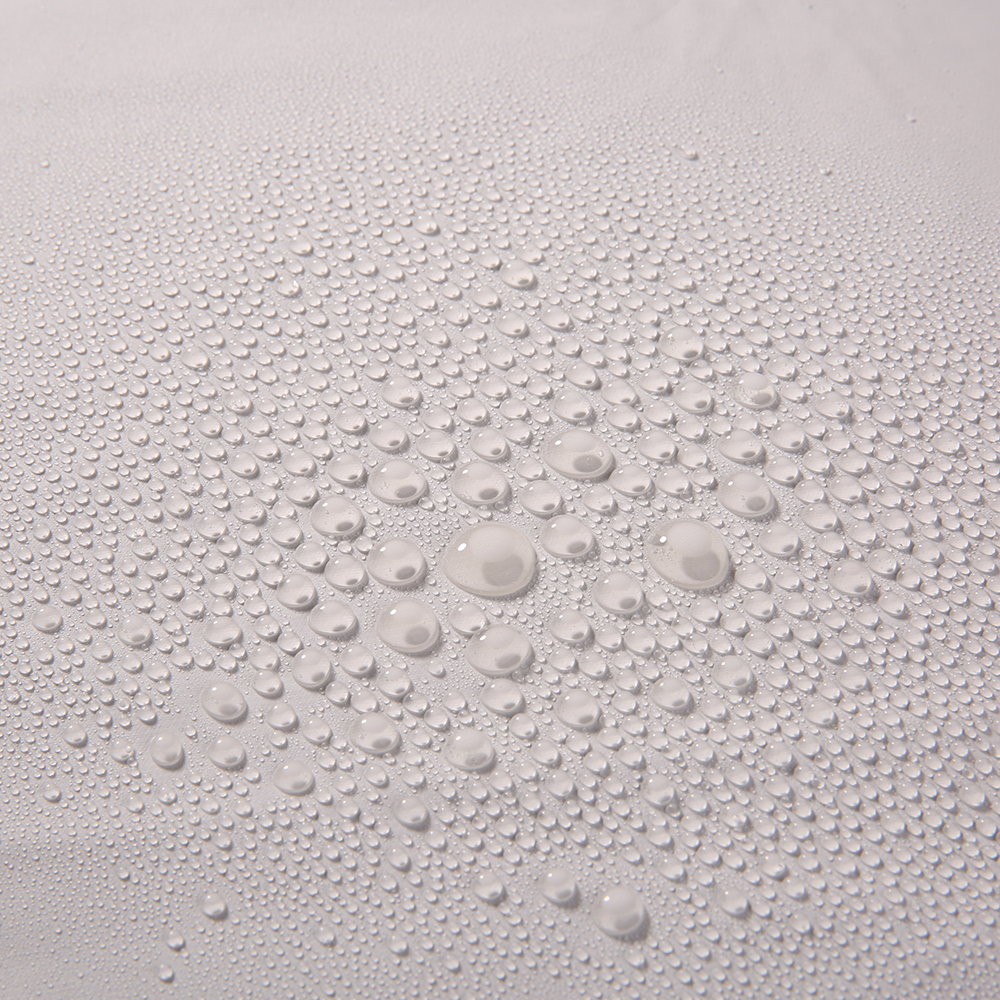
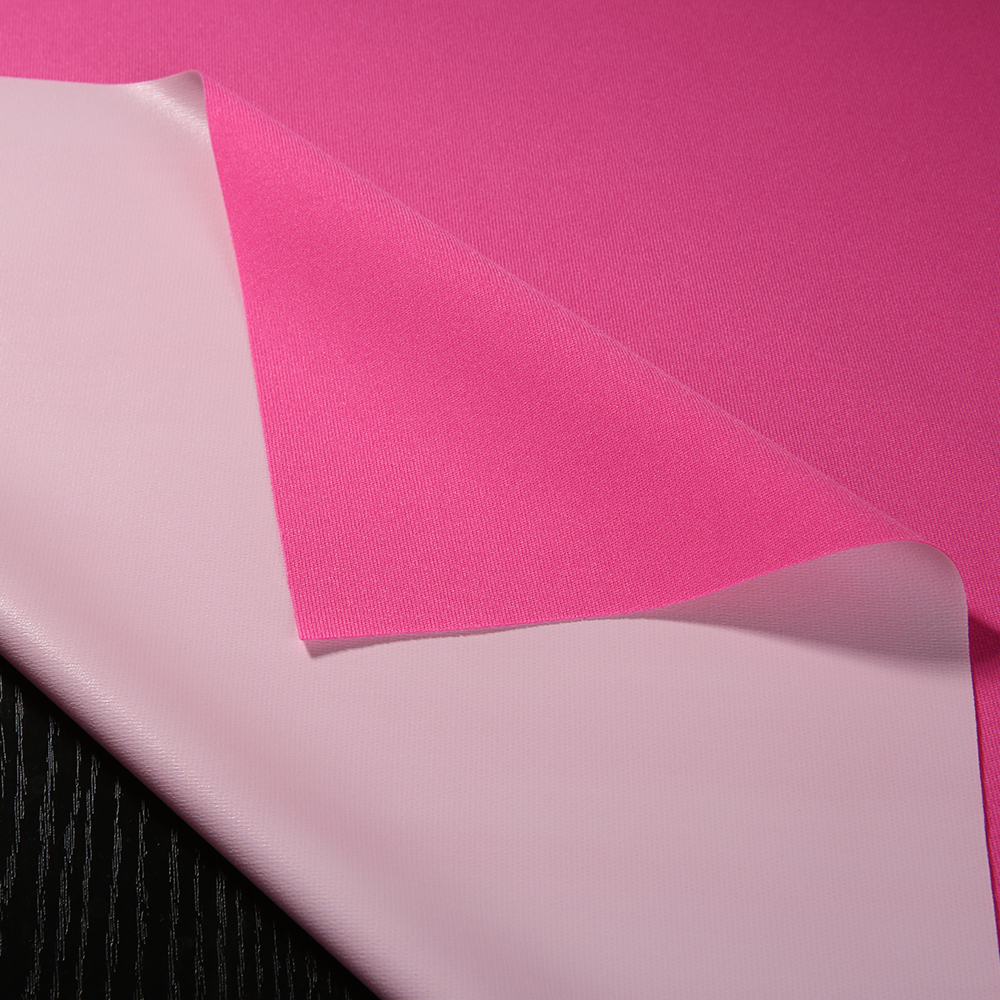
PUL fabric manufacturers play a crucial role in producing specialized textile materials that combine waterproof protection with breathability and flexibility. PUL, which stands for polyurethane laminate, represents an advanced fabric technology where a thin polyurethane film is bonded to a knit or woven textile substrate. These manufacturers utilize sophisticated lamination processes to create fabrics that prevent liquid penetration while maintaining comfort and durability. The production process employed by pul fabric manufacturers involves precise temperature control, pressure application, and quality monitoring to ensure consistent performance across every meter of material produced. Leading pul fabric manufacturers invest heavily in research and development to enhance fabric properties such as stretch recovery, abrasion resistance, and antimicrobial protection. The manufacturing facilities typically feature clean room environments and state-of-the-art machinery capable of producing various weights and finishes to meet diverse customer requirements. These manufacturers serve multiple industries including healthcare, childcare, fitness apparel, and outdoor gear sectors. The technological capabilities of modern pul fabric manufacturers enable them to customize products according to specific performance criteria such as breathability ratings, water column pressure resistance, and fabric hand feel. Quality pul fabric manufacturers maintain strict compliance with international safety standards and environmental regulations, ensuring their products are free from harmful chemicals and suitable for sensitive applications. They offer various substrate options including cotton, polyester, and bamboo blends, each providing distinct characteristics in terms of comfort, durability, and ecological footprint. The global network of pul fabric manufacturers continues to expand as demand grows for waterproof yet comfortable textiles in both consumer and industrial applications, driving innovation in lamination technologies and sustainable manufacturing practices.
Choosing reputable pul fabric manufacturers offers numerous practical benefits that directly impact product quality and business success. First and foremost, established manufacturers provide consistent quality control throughout the production process, ensuring every batch meets specified performance standards for waterproofing, durability, and safety. This reliability eliminates concerns about product failures and customer complaints that could damage brand reputation. Working with experienced pul fabric manufacturers gives you access to technical expertise and guidance in selecting the right fabric specifications for your particular application, whether you need materials for reusable diapers, medical underpads, or activewear. These manufacturers maintain extensive inventory systems that enable quick turnaround times and flexible order quantities, accommodating both large-scale production runs and smaller custom orders for specialty products. The cost efficiency provided by professional pul fabric manufacturers stems from their optimized production processes and bulk purchasing power for raw materials, allowing them to offer competitive pricing without compromising quality. Another significant advantage involves their certification and compliance capabilities, as reputable manufacturers hold necessary certifications such as OEKO-TEX, CPSIA, and ISO standards, which are essential for selling products in regulated markets. Environmental responsibility has become increasingly important, and leading pul fabric manufacturers now offer eco-friendly options including water-based polyurethane formulations and organic cotton substrates that appeal to environmentally conscious consumers. The technical support services provided by quality manufacturers extend beyond initial purchase, offering troubleshooting assistance, care instruction development, and product improvement recommendations based on market feedback. Innovation represents another key advantage, as dedicated pul fabric manufacturers continuously develop new finishes, patterns, and performance enhancements such as improved breathability, antimicrobial treatments, and enhanced stretch properties. Their established supply chains ensure material availability even during market disruptions, providing business continuity that smaller or less established suppliers cannot guarantee. Furthermore, working with professional manufacturers opens opportunities for custom printing and finishing services, enabling brand differentiation through unique designs and specialized treatments. The long-term partnerships formed with reliable pul fabric manufacturers create collaborative relationships where your feedback influences product development, ensuring the materials evolve to meet changing market demands and consumer preferences.

Tips And Tricks

What is TPU?

11

Aug

What is TPU?

View More
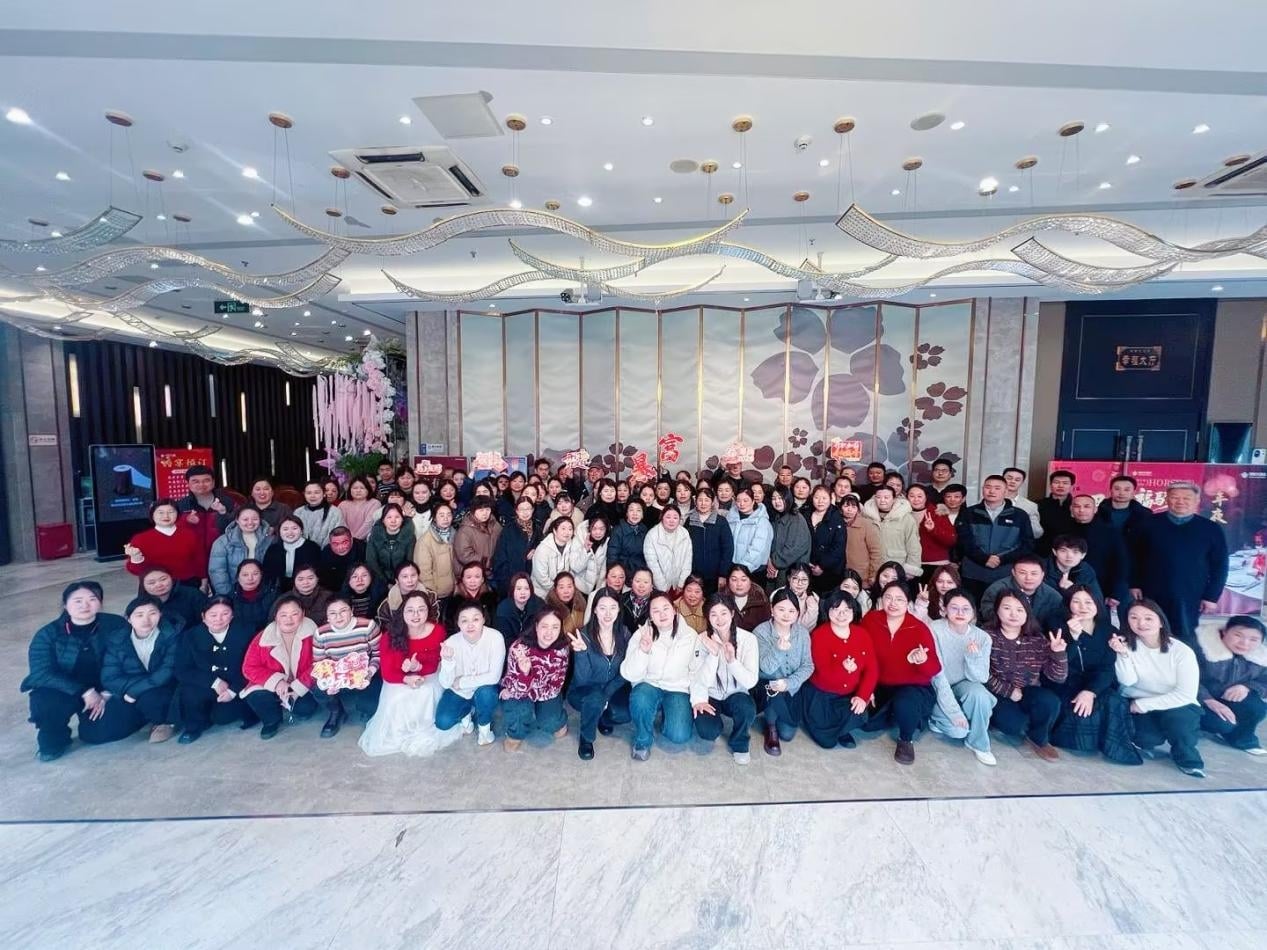
Cheers to a Night of Milestones: Jiangsu Etang Celebrates a Year of Growth & Innovation

13

Mar

Cheers to a Night of Milestones: Jiangsu Etang Celebrates a Year of Growth & Innovation

View More
Unlocking TPU Nanotechnology: Why Your Waterproof Mattress Protector Can Be Leak-Proof and Breathable at the Same Time?

14

May

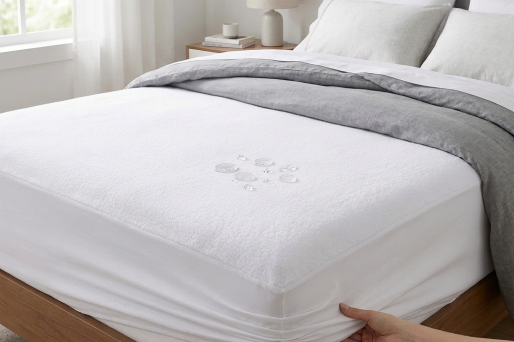
Unlocking TPU Nanotechnology: Why Your Waterproof Mattress Protector Can Be Leak-Proof and Breathable at the Same Time?

View More
Fitted Sheet vs. Zippered Encasement: Which One Should You Choose?

22

May

Fitted Sheet vs. Zippered Encasement: Which One Should You Choose?

View More

Get a Free Quote

Our representative will contact you soon.
0/1000
Advanced Lamination Technology and Quality Assurance

Advanced Lamination Technology and Quality Assurance

The technological sophistication employed by leading pul fabric manufacturers sets them apart in delivering superior waterproof fabrics that perform consistently across diverse applications. Modern manufacturing facilities utilize precision lamination equipment that applies polyurethane films at carefully controlled temperatures and pressures, creating seamless bonds between the waterproof layer and textile substrate without compromising fabric flexibility or breathability. This advanced technology ensures uniform coating thickness across the entire fabric width, eliminating weak spots that could lead to delamination or leakage during use. Quality pul fabric manufacturers implement multi-stage inspection protocols that test samples from each production run for critical performance metrics including hydrostatic pressure resistance, typically exceeding standards required for medical and childcare applications. The testing regimens also evaluate abrasion resistance through standardized rubbing tests, stretch and recovery properties to ensure the fabric maintains its shape after repeated use, and colorfastness to guarantee printed designs remain vibrant through numerous wash cycles. Investment in automated quality control systems allows manufacturers to detect and correct deviations immediately, maintaining consistency that manual inspection alone cannot achieve. The lamination technology used by premier manufacturers also enables the production of solvent-free PUL options, addressing growing environmental concerns and health considerations by eliminating potentially harmful chemicals from the manufacturing process. These water-based polyurethane formulations provide identical waterproofing performance while meeting the strictest safety standards for baby products and medical applications. Furthermore, advanced manufacturers offer various lamination options including flame lamination and adhesive lamination, each suited to different substrate materials and end-use requirements. The technical expertise of pul fabric manufacturers extends to substrate selection and preparation, ensuring the base fabric possesses appropriate weight, weave structure, and surface characteristics to accept lamination effectively and deliver the desired hand feel in finished products. This comprehensive approach to quality assurance means customers receive materials that perform reliably in real-world conditions, reducing warranty claims and enhancing end-user satisfaction across all product categories.
Customization Capabilities and Design Flexibility

Customization Capabilities and Design Flexibility

One of the most valuable aspects of partnering with professional pul fabric manufacturers lies in their extensive customization capabilities that enable brands to create distinctive products tailored to specific market segments and consumer preferences. These manufacturers maintain in-house design teams and digital printing facilities capable of producing custom patterns, colors, and graphic designs that transform functional waterproof fabric into attractive finished products that appeal to style-conscious consumers. The customization process begins with substrate selection, where manufacturers offer choices ranging from organic cotton for eco-friendly product lines to polyester blends for enhanced durability in high-performance applications. Weight options typically span from lightweight fabrics around 160 GSM suitable for breathable garments to heavier constructions exceeding 300 GSM for industrial applications requiring maximum durability. Beyond basic specifications, pul fabric manufacturers provide specialized finishing treatments including antimicrobial additives that inhibit bacterial growth for healthcare applications, UV-resistant treatments for outdoor products, and flame-retardant finishes where safety regulations require them. The printing capabilities of modern manufacturers accommodate both large repeating patterns and intricate small-scale designs through digital sublimation and rotary screen printing technologies, with color matching services ensuring brand consistency across product lines. Custom embossing and texturing options add tactile interest and can enhance grip properties for specific applications such as changing pads or yoga mats. Manufacturers also offer various backing fabric options that influence the overall aesthetic and functional properties, with choices including interlock knits for superior stretch, jersey for softness, or woven fabrics for dimensional stability. The ability to produce small minimum order quantities for custom designs enables emerging brands and small businesses to enter the market without prohibitive inventory investments, while scalability ensures that successful designs can transition smoothly to larger production volumes as demand grows. Technical customization extends to performance specifications, where manufacturers can adjust breathability levels, modify stretch percentages in different directions, and optimize thickness to balance waterproofing with comfort for specific end uses. This flexibility empowers product developers to differentiate their offerings in competitive markets, creating unique value propositions that resonate with target consumers and justify premium pricing strategies.
Sustainable Manufacturing Practices and Certifications

Sustainable Manufacturing Practices and Certifications

Environmental responsibility has become a defining characteristic of leading pul fabric manufacturers, who recognize that sustainable practices are essential for long-term business viability and meeting evolving consumer expectations. These forward-thinking manufacturers have implemented comprehensive sustainability programs addressing every aspect of production from raw material sourcing through waste management and energy consumption. The shift toward water-based polyurethane formulations represents a significant advancement in reducing environmental impact, as these systems eliminate volatile organic compounds and hazardous air pollutants associated with traditional solvent-based processes. Progressive pul fabric manufacturers partner with suppliers who provide certified organic cotton and recycled polyester substrates, enabling brands to create products with verified environmental credentials that appeal to eco-conscious consumers. Energy efficiency initiatives within manufacturing facilities include LED lighting systems, heat recovery from lamination equipment, and optimized production scheduling that minimizes machine idle time and associated energy waste. Water conservation measures are equally important, with closed-loop cooling systems and wastewater treatment facilities ensuring minimal environmental impact from production operations. Waste reduction programs focus on minimizing fabric selvage and production overruns through precise cutting optimization software and just-in-time manufacturing approaches that match production closely to actual orders. Leading manufacturers pursue and maintain internationally recognized certifications that provide third-party verification of their environmental and safety commitments, with OEKO-TEX Standard 100 certification confirming fabrics are free from harmful substances and safe for direct skin contact, particularly important for baby products and intimate apparel. GOTS certification for organic substrates ensures the entire production chain meets strict ecological and social criteria, while bluesign system partnership demonstrates commitment to sustainable chemistry and responsible resource use. These certifications are not merely marketing tools but reflect substantial investments in process improvements, chemical management systems, and worker safety protocols that elevate the entire industry. Transparency in sustainability reporting allows customers to make informed decisions and communicate authentic environmental stories to their consumers, building trust and brand loyalty in an era where greenwashing is quickly exposed and penalized. The commitment of responsible pul fabric manufacturers to continuous improvement in sustainability performance creates long-term value for all stakeholders while contributing to the broader goal of reducing the textile industry environmental footprint.