 EN

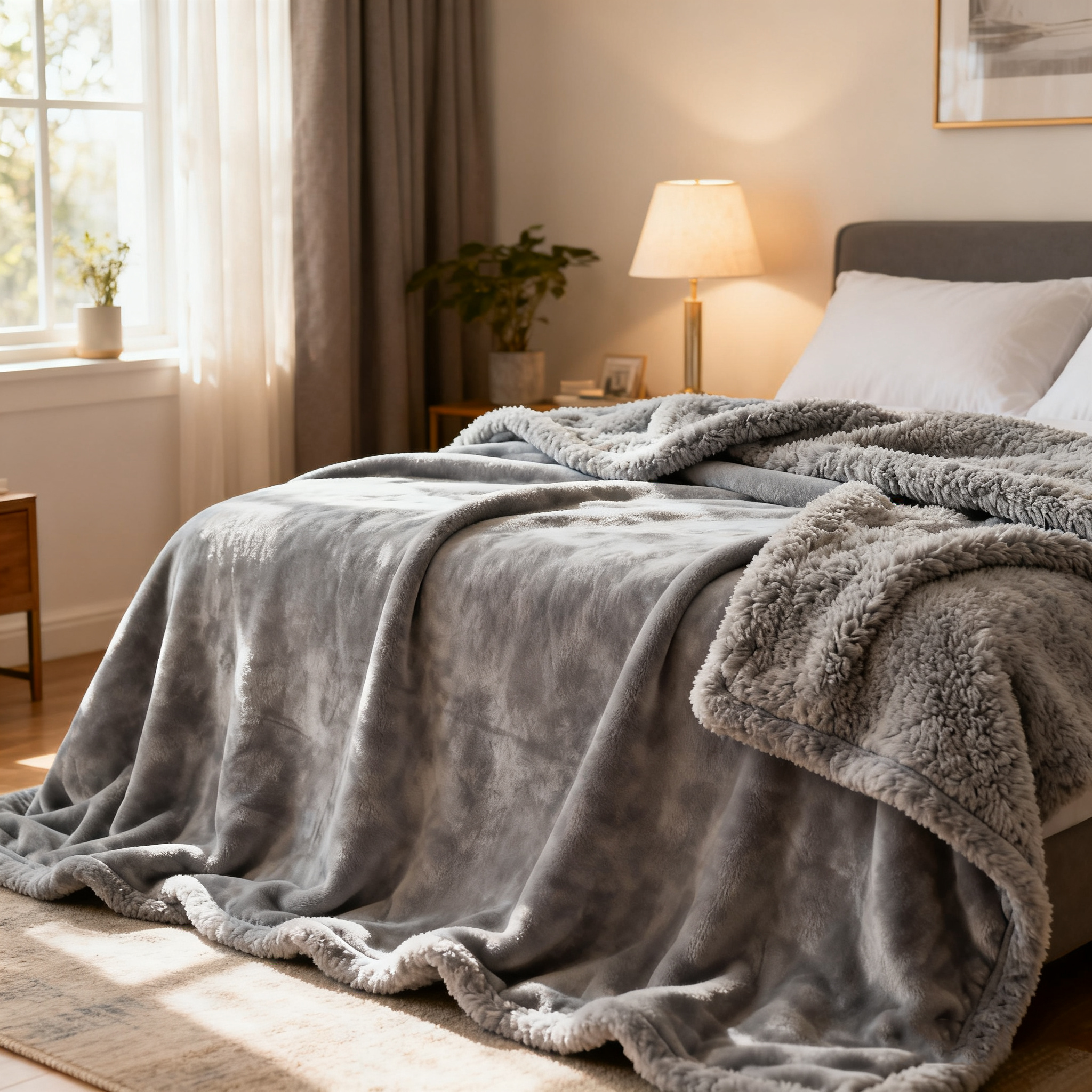
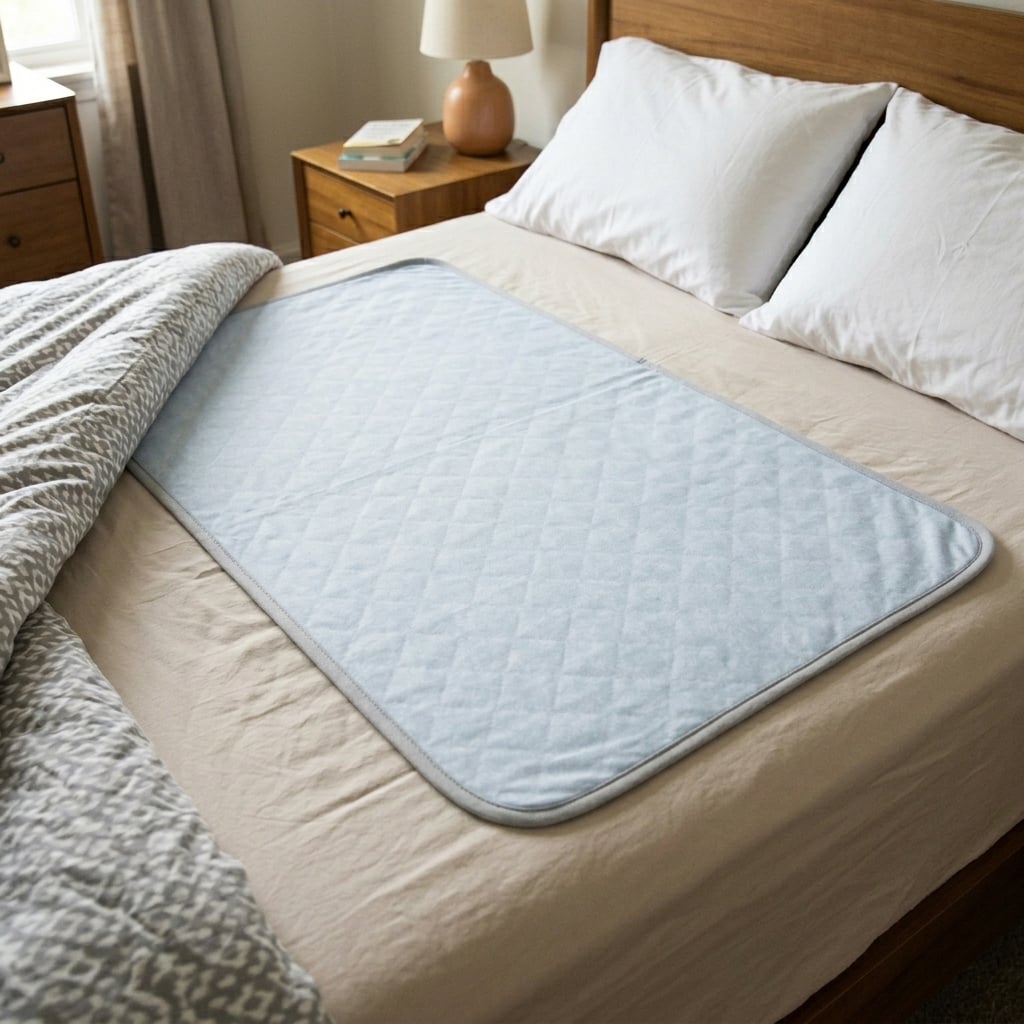
In nursing facilities and elderly care environments, maintaining hygiene standards is one of the most critical operational and health priorities. A waterproof bed pad serves as a foundational tool that protects both residents and facility assets while significantly improving overall hygiene outcomes. Whether managing incontinence-related challenges, preventing cross-contamination, or extending the lifespan of expensive mattresses, a waterproof bed pad addresses multiple care requirements simultaneously. Understanding how a waterproof bed pad functions within care protocols helps administrators, nurses, and family members make informed decisions about resident comfort and facility standards.
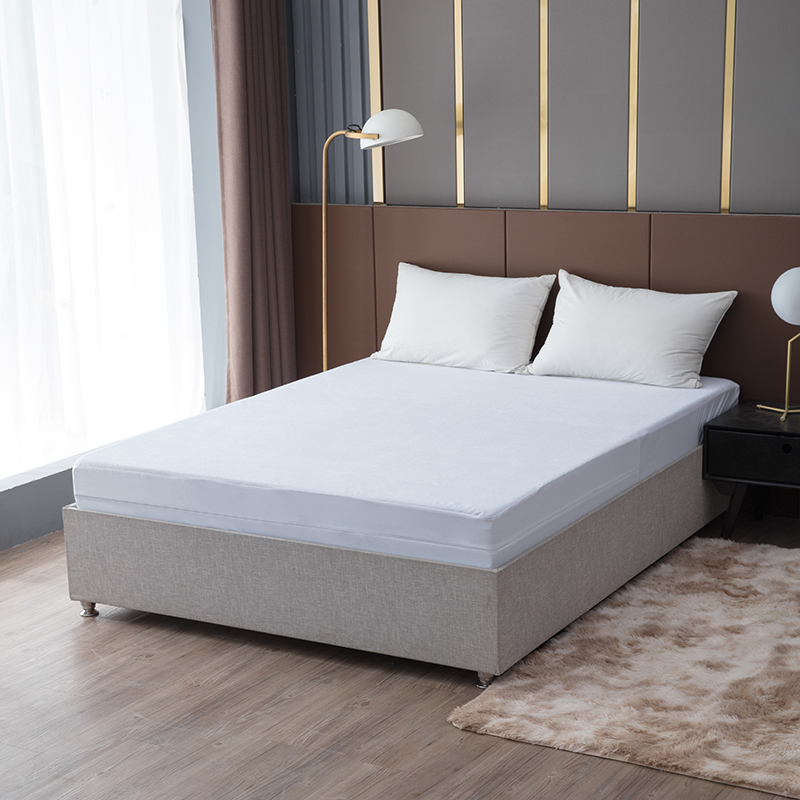
Healthcare environments face constant pressure to balance resident dignity, infection control, and operational efficiency. A waterproof bed pad directly supports all three objectives by creating a reliable barrier between the resident and the mattress. This protective layer reduces the spread of pathogens, minimizes laundry burden, and allows care staff to focus on quality interactions rather than emergency cleaning situations. The strategic use of a waterproof bed pad reflects best-practice care standards in modern nursing facilities.
How Waterproof Bed Pad Technology Protects Against Contamination
Barrier Function and Pathogen Control
A waterproof bed pad creates a physical barrier that prevents bodily fluids from reaching the mattress surface and underlying structure. Incontinence, perspiration, and other fluid losses are common in elderly care settings, and without proper protection, these fluids penetrate deep into mattress layers where bacteria and viruses thrive. A high-quality waterproof bed pad with waterproof backing stops this penetration immediately, containing moisture on the surface where it can be cleaned or the pad can be changed. This containment strategy dramatically reduces the risk of pathogenic growth that could lead to infections like urinary tract infections, skin infections, or respiratory illness.
The material composition of a modern waterproof bed pad matters significantly. Top-layer materials should be soft and skin-friendly while the backing maintains absolute waterproof integrity. When a waterproof bed pad combines absorbent upper materials with an impermeable backing, it traps moisture on the surface where evaporation and laundering can eliminate it, rather than allowing moisture to migrate into the mattress where it becomes inaccessible to cleaning protocols. This design principle explains why investing in quality construction for a waterproof bed pad yields better long-term hygiene outcomes.
Laundry Efficiency and Cross-Contamination Prevention
A waterproof bed pad can be changed and laundered quickly, preventing the accumulation of contaminated materials on the bed. In facilities managing multiple residents, this rapid changeover means soiled materials are removed from the care environment faster, reducing odor, visible contamination, and the psychological stress some residents experience when bedding appears unclean. Staff can deploy a clean waterproof bed pad within minutes, whereas replacing or attempting to deep-clean a contaminated mattress takes hours and often leaves residual moisture that promotes mold and mildew growth.
From an infection control perspective, a waterproof bed pad also reduces cross-contamination risks during bed changes. Nursing staff handle the pad rather than struggling with a heavy, potentially contaminated mattress, lowering the likelihood of pathogens transferring to other beds, common areas, or the staff themselves. This operational efficiency directly translates to improved hygiene compliance across the facility.
Comfort and Dignity Considerations in Elderly Care
Resident Experience and Skin Health
While protection is essential, a waterproof bed pad must also prioritize resident comfort to be truly effective in care settings. Residents often experience anxiety around incontinence, and using a visibly protective layer can either reinforce dignity or undermine it, depending on how the waterproof bed pad is positioned and presented. A well-designed waterproof bed pad integrates seamlessly into regular bedding, remaining discrete and normalizing the protective measure rather than stigmatizing it. The thickness, texture, and breathability of a waterproof bed pad affect whether residents perceive it as comfortable or intrusive.
Skin integrity is another critical factor. Elderly residents are highly susceptible to pressure ulcers, and a waterproof bed pad must not create additional pressure points or trap heat against the skin. Quality construction ensures that a waterproof bed pad allows air circulation while maintaining waterproof protection, preventing the moisture accumulation that accelerates skin breakdown. Soft, hypoallergenic materials used in premium waterproof bed pad products minimize irritation and allergic reactions, particularly important for residents with sensitive skin or existing dermatological conditions.
Independence and Mental Well-Being
For many elderly residents, incontinence represents a loss of independence and dignity. A reliable waterproof bed pad allows residents to remain in their familiar sleeping environment without constant worry about accidents damaging the mattress or creating unmanageable cleanup situations. This security can actually reduce anxiety-related incontinence episodes, creating a positive feedback loop where residents feel safer and more relaxed. When a waterproof bed pad enables residents to sleep through the night without dreading soiling the bed, psychological well-being improves alongside physical hygiene.
Implementation and Maintenance Strategies
Selection and Sizing Guidelines
Choosing the right waterproof bed pad for a facility requires evaluating multiple dimensions simultaneously. Size must accommodate the bed frame precisely, with a waterproof bed pad designed to fit twin, full, queen, or specialty beds common in care environments. Weight capacity is another critical specification because a waterproof bed pad must support residents without shifting or bunching, which creates pressure risks and reduces protective coverage. Material quality determines how long a waterproof bed pad maintains its waterproof integrity through repeated washing cycles, which can exceed dozens of laundering events per month in active care facilities.
Facilities should also consider whether a waterproof bed pad includes features like zipper closures for easier application and removal, antimicrobial treatments for added infection control, or hypoallergenic certifications for residents with sensitive skin. A waterproof bed pad with adjustable anchoring prevents shifting under active residents, while weighted edges maintain positioning throughout the night. Comparing these features helps identify which waterproof bed pad options deliver the best value for the facility's specific resident population and care protocols.
Cleaning, Storage, and Replacement Protocols
Proper maintenance of a waterproof bed pad directly affects its longevity and continued effectiveness. Machine washing at appropriate temperatures using facility-approved detergents preserves the waterproof backing, while high-heat drying can degrade waterproof coatings over time. A waterproof bed pad should be air-dried or dried on low heat to extend its functional lifespan to two to three years with daily use. Facilities managing high incontinence loads may benefit from maintaining multiple sets of waterproof bed pad units per bed, ensuring one is always in use while others rotate through laundry.
Storage areas should be climate-controlled and dry to prevent mold growth on stored waterproof bed pad inventory. Visual inspection before each use helps catch deterioration early, allowing staff to replace a failing waterproof bed pad before its protective function is compromised. Establishing clear replacement schedules for a waterproof bed pad prevents gaps in protection and maintains consistent hygiene standards across all resident beds.
FAQ
Does a waterproof bed pad reduce the comfort level for residents?
Modern waterproof bed pad designs prioritize both protection and comfort. High-quality options combine soft, breathable top layers with waterproof backing, creating a product that feels similar to regular bedding. A properly selected waterproof bed pad should not create noticeable discomfort, and many residents report feeling more secure knowing the mattress is protected. The key is choosing a waterproof bed pad with premium materials and construction rather than budget options that may feel plasticky or uncomfortable.
How often should a waterproof bed pad be replaced in a nursing facility?
The lifespan of a waterproof bed pad depends on usage intensity and maintenance practices. With proper care, a durable waterproof bed pad typically lasts two to three years in active use environments. However, a waterproof bed pad showing visible wear, developing leaks, or losing waterproof integrity should be replaced immediately, regardless of age. Facilities experiencing high incontinence rates may need to replace a waterproof bed pad more frequently to maintain consistent protection standards.
Can a waterproof bed pad help prevent pressure ulcers?
A waterproof bed pad supports pressure ulcer prevention indirectly by keeping skin dry and reducing moisture-related skin breakdown. However, a waterproof bed pad alone does not replace specialized pressure relief mattresses or regular repositioning protocols. When combined with comprehensive skin care practices and appropriate support surfaces, a quality waterproof bed pad contributes to a more effective overall pressure injury prevention strategy.
