 EN


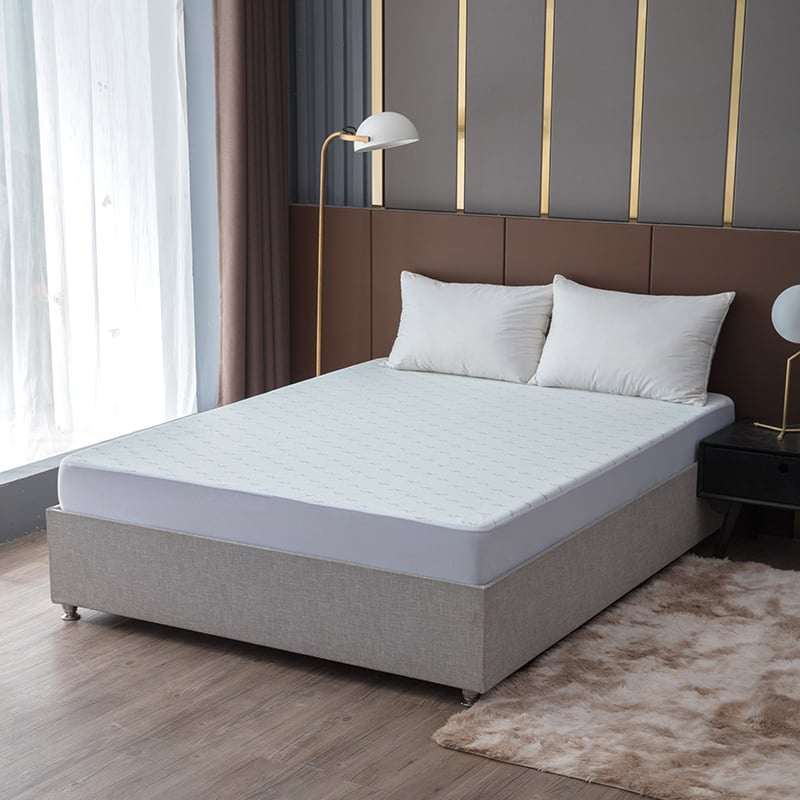
In the hospitality industry, hotel rooms experience constant turnover, with guests checking in and out daily or multiple times per week. This high-frequency usage puts significant wear and tear on bedding infrastructure, particularly mattresses, which represent substantial capital investments for any hotel operation. A mattress protector stands as one of the most practical and cost-effective solutions to extend mattress lifespan, maintain cleanliness standards, and protect your bottom line in competitive hospitality markets.
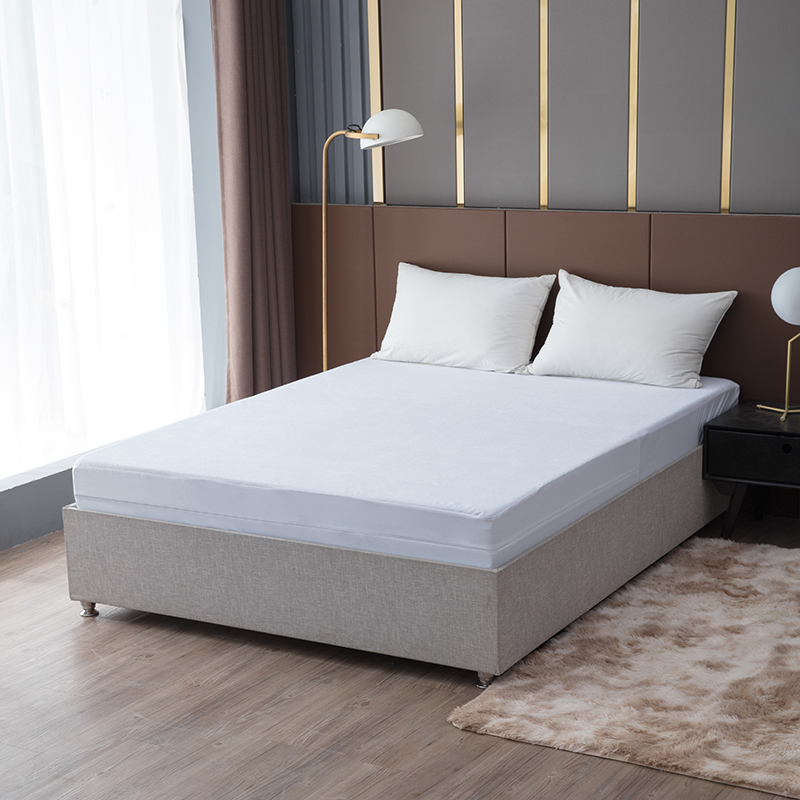
Understanding why a mattress protector is essential begins with recognizing the specific challenges hotels face. Guest behaviors are unpredictable, accidents happen frequently, and mattresses endure exposure to liquids, dust, allergens, and microorganisms that accumulate rapidly across turnovers. Without protective barriers, hotel mattresses deteriorate quickly, necessitating premature replacement cycles that strain operational budgets. The investment in quality mattress protection directly impacts guest satisfaction, regulatory compliance, and long-term financial performance.
Protecting Against Liquid Damage and Stains
The Financial Impact of Mattress Replacement
Hotel-grade mattresses represent significant capital expenses, often ranging from hundreds to thousands of dollars per unit depending on size and quality specifications. When liquid damage occurs without a mattress protector, the consequences escalate rapidly. Water, beverages, bodily fluids, and other liquids penetrate deep into mattress cores, creating conditions for mold growth, bacterial contamination, and permanent discoloration that renders the mattress unsuitable for guest use. Hotels facing such damage must either invest in costly deep cleaning services with uncertain success rates or replace the entire mattress, disrupting revenue and incurring unexpected capital expenditures. A waterproof mattress protector acts as the first line of defense, containing liquids on its surface where they can be easily cleaned or wiped away without compromising the underlying mattress integrity.
Maintaining Hygiene and Guest Confidence
Guest perceptions of cleanliness directly influence repeat bookings, online reviews, and overall brand reputation. When guests discover stains, odors, or visible wear on mattresses, their confidence in the hotel's hygiene standards diminishes immediately. A protective barrier ensures that mattresses remain visibly pristine between deep cleanings, presenting a fresh appearance to every arriving guest. This visible cleanliness becomes a competitive advantage in markets where guest reviews emphasize bedding quality and room conditions. The mattress protector enables housekeeping teams to maintain consistent standards across high-turnover environments where traditional cleaning alone cannot fully prevent accumulation of dust mites, allergens, and microscopic contaminants.
Extending Mattress Lifespan and Reducing Replacement Cycles
Preservation Through Barrier Technology
Mattress protectors create a protective seal between the mattress surface and external contaminants, dramatically slowing the natural deterioration process. Without this protection, mattresses in high-turnover environments typically require replacement every three to five years due to accumulated damage, staining, and structural breakdown. With proper mattress protector coverage, the same mattresses often remain serviceable for seven to ten years or longer, directly multiplying the return on your original mattress investment. The protector absorbs daily friction, blocks moisture penetration, and shields the mattress fabric and filling materials from direct exposure to environmental stressors. This preservation effect compounds over time, as each year a mattress avoids replacement, facilities avoid corresponding replacement capital expenditures.
Operational Cost Reduction and Budget Predictability
Hotels operating on tight margin structures benefit significantly from predictable maintenance costs rather than surprise capital replacements. Using a mattress protector transforms mattress management from reactive emergency spending into planned, manageable expenses. Protectors themselves cost substantially less than mattress replacements, and they can be laundered, repaired, or replaced individually without affecting the underlying mattress. This cost predictability enables better budget forecasting and allows facilities managers to allocate resources strategically rather than responding to unexpected mattress failures. Properties with comprehensive protector programs report measurably lower annual capital equipment costs and fewer operational disruptions related to mattress unavailability.
Meeting Industry Standards and Regulatory Requirements
Compliance with Health and Safety Standards
Health codes and hospitality industry standards increasingly emphasize protection against allergen accumulation and biohazard contamination in high-traffic accommodations. A waterproof mattress protector demonstrates proactive compliance with these standards by creating a sealed barrier that prevents liquid-borne pathogens and allergens from penetrating into mattress cores where they become nearly impossible to fully eliminate through standard cleaning. Regulatory inspectors and third-party audit bodies recognize mattress protector usage as evidence of systematic hygiene management and commitment to guest safety standards. For hotels pursuing certifications, eco-certifications, or operating under franchise agreements with strict bedding standards, implementing comprehensive mattress protector protocols strengthens compliance positions and reduces audit findings related to cleanliness and contamination control.
Documentation and Risk Mitigation
Beyond immediate cleanliness benefits, using a mattress protector creates documented evidence of reasonable precautions against health hazards and property damage liability. In hospitality environments, clear documentation of protective measures helps mitigate legal exposure from guests claiming health issues or property damage. When a guest illness or complaint arises, hotels can demonstrate through inventory records and photographs that protective barriers were in place, significantly strengthening liability defense positions. This risk mitigation dimension, while often overlooked in initial cost-benefit analyses, provides substantial value protection across an organization's operational history.
FAQ
How often should a mattress protector be replaced or cleaned?
Quality mattress protectors should be laundered weekly or bi-weekly in high-turnover hotel environments, using commercial-grade cleaning protocols that maintain fabric integrity and waterproof barrier effectiveness. Replace the protector when waterproof barriers begin deteriorating, typically after two to three years of continuous use in hospitality settings, depending on cleaning intensity and protector material quality. Regular maintenance schedules ensure consistent protection performance and extend the overall lifespan of your mattress investment.
What features make a mattress protector effective for hotel use?
The most effective mattress protectors for hotel applications combine waterproof barrier technology with breathable fabrics that prevent heat and moisture buildup, reducing discomfort for guests while blocking liquid penetration. Zipper enclosure designs offer superior containment compared to fitted-sheet alternatives and simplify installation and removal for cleaning cycles. Look for protectors with reinforced seams, hypoallergenic materials, and certifications confirming waterproof performance standards relevant to hospitality environments.
Can a mattress protector reduce overall hotel operating costs?
Yes, implementing comprehensive mattress protector programs consistently reduces overall operating costs by extending mattress lifespan, minimizing emergency replacement cycles, reducing specialized cleaning expenses, and lowering potential liability exposures. Hotels that systematically deploy quality protectors across all guest beds report average capital savings of fifteen to twenty-five percent in annual mattress-related expenditures compared to properties operating without protective barriers, making protectors among the highest-return operational investments available.
