 EN

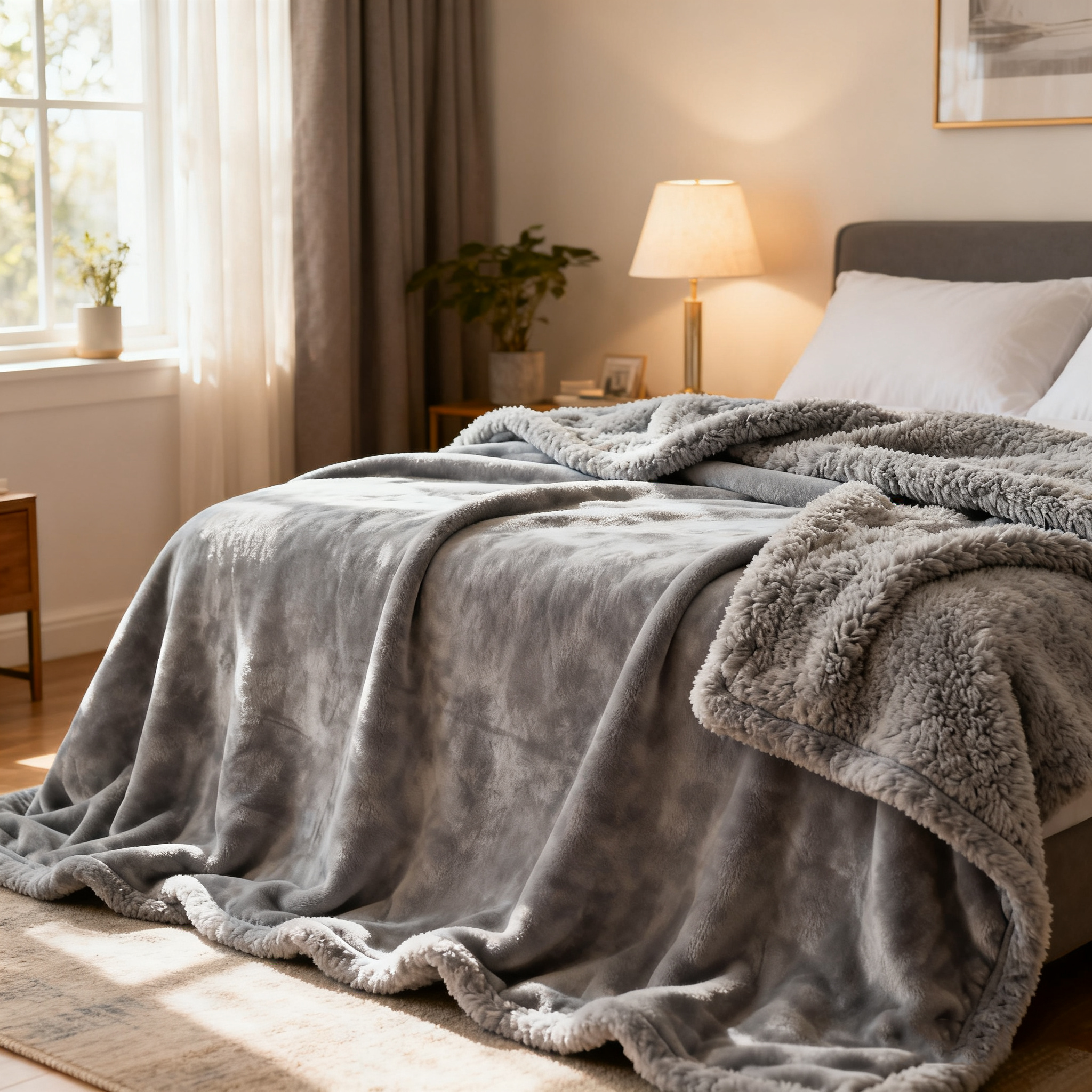
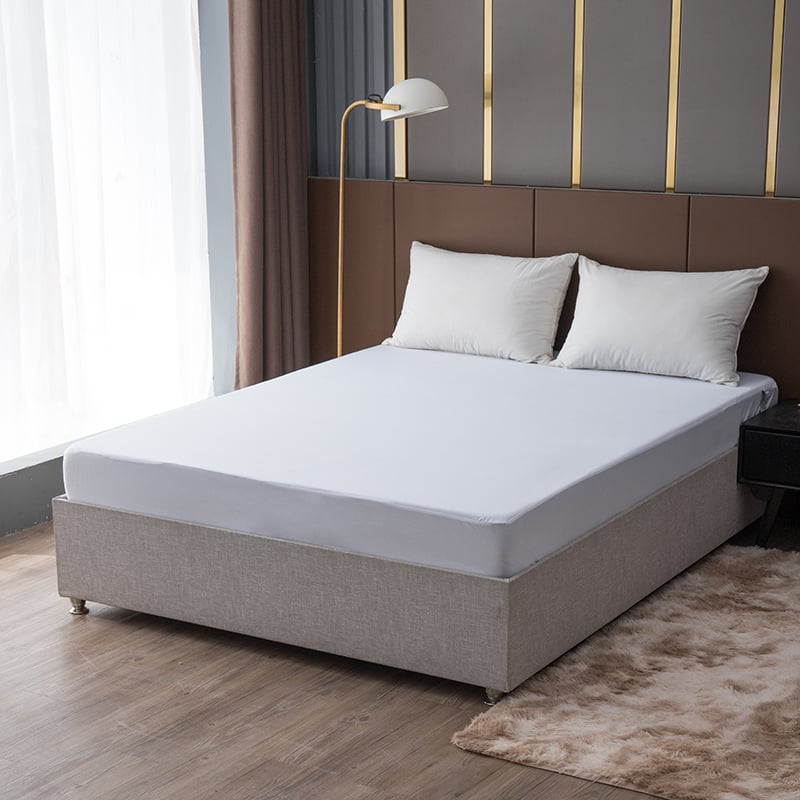
The modern bedding industry faces a critical challenge: delivering mattress cover solutions that satisfy vastly different customer segments without inflating production costs or compromising quality. Original equipment manufacturers (OEMs) must balance premium hotel chains, hospitality groups, healthcare facilities, residential customers, and e-commerce retailers—each with distinct expectations for durability, aesthetics, functionality, and price positioning. Understanding how to engineer a mattress cover strategy that meets these fragmented demands is essential for sustainable growth in today's competitive market.
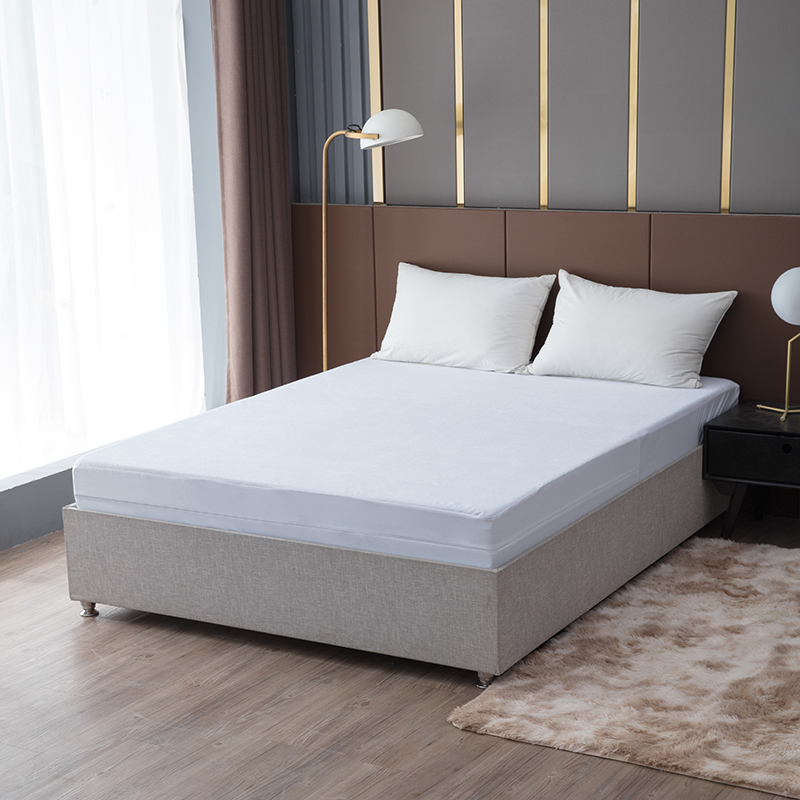
OEM mattress cover manufacturers are increasingly adopting flexible design frameworks, material modularity, and specification customization to serve heterogeneous markets efficiently. Rather than producing a single generic product, leading OEMs now develop scalable platforms where core construction remains consistent while surface materials, protective features, closure systems, and branding elements adapt to specific end-use scenarios. This approach reduces tooling complexity, minimizes inventory fragmentation, and enables rapid market responsiveness while maintaining the structural integrity and performance benchmarks that define a quality mattress cover.
Understanding Diverse Market Segment Requirements
Hospitality and Commercial Sector Demands
The hospitality industry represents one of the most demanding segments for mattress cover specifications. Hotels, resorts, and commercial accommodation providers require products engineered for frequent laundering cycles, stain resistance, and consistent dimensional stability across hundreds or thousands of units. A mattress cover deployed in a high-traffic hotel environment must withstand weekly or bi-weekly deep cleaning with industrial-grade detergents, chlorine-based sanitizers, and high-temperature pressing without degradation. Color fastness, seam integrity, and elastic retention become non-negotiable performance criteria, as visible wear directly impacts guest satisfaction and property reputation.
Commercial buyers also prioritize cost efficiency and standardization. Hotel chains typically negotiate bulk pricing for mattress cover products that fit their existing bed inventory precisely. OEM manufacturers must deliver consistent fits across multiple production batches, maintain tight tolerance controls, and provide comprehensive quality documentation. The mattress cover must also meet fire safety regulations mandated by local building codes and hospitality industry standards, adding another layer of specification complexity to the manufacturing process.
Healthcare and Institutional Applications
Healthcare facilities—including hospitals, nursing homes, and rehabilitation centers—impose stringent hygiene and infection control standards on mattress cover products. These institutions require covers engineered specifically to resist fluid penetration, prevent pathogen transmission, and simplify deep disinfection protocols. Waterproof or highly fluid-resistant mattress cover constructions become mandatory rather than optional, fundamentally changing material selection and laminate technology decisions.
Healthcare buyers also demand detailed certifications, including biocompatibility testing, antimicrobial treatment validation, and compliance with medical device regulations in their respective jurisdictions. A mattress cover intended for hospital deployment must often be individually packaged, sterilizable, and traceable through lot-control systems. These regulatory and logistical requirements create a significantly different product architecture than consumer-grade alternatives, forcing OEMs to maintain parallel production lines or highly flexible manufacturing capabilities.
Material and Feature Customization Strategies
Surface Material Variety and Performance Trade-offs
OEM mattress cover solutions leverage multiple surface material choices to address distinct market priorities. Premium polyester blends offer softness, breathability, and aesthetic appeal valued by residential consumers and upscale hospitality brands. Bamboo-derived fabrics combine sustainability positioning with hypoallergenic properties, appealing to eco-conscious segments and health-focused institutions. Moisture-wicking technical fabrics address athlete, medical recovery, and extreme-climate customer bases. Cotton-polyester blends provide economical durability suitable for budget-focused hospitality chains and institutional buyers managing large-scale procurement budgets.
The mattress cover's performance envelope expands or contracts based on material selection, creating cascading cost and feature implications. A breathable cotton-rich mattress cover prioritizes comfort and regularity but offers lower fluid barrier properties. Conversely, a high-performance waterproof mattress cover with antimicrobial lamination commands higher material costs and manufacturing complexity but delivers superior protection in clinical or high-contamination environments. OEMs must engineer modular material specifications that allow customers to select the optimal balance for their specific use case without requiring completely distinct product lines.
Closure Systems and Protective Features
Closure system design significantly impacts mattress cover functionality, durability, and market fit. Standard elastic-fitted designs suit residential consumers and basic hospitality applications, offering ease of installation and cost efficiency. Full-zip mattress cover systems provide superior dust-mite and allergen exclusion, addressing healthcare and wellness-conscious market segments willing to pay premium pricing for enhanced protection. Hybrid systems combining elastic edges with partial-zip zones offer compromise positioning for mid-market customers seeking improved barrier properties without full-enclosure complexity.
Additional protective features—such as corner reinforcement stitching, vinyl piping at seams, and multiple-layer construction zones—can be selectively incorporated into specific mattress cover variants without redesigning base architecture. These modular enhancements allow OEMs to create performance tiers spanning entry-level commodity products through premium institutional-grade solutions, each derived from a consistent manufacturing platform. This tiered approach reduces design proliferation while enabling precise market positioning and margin optimization across diverse customer segments.
Regulatory Compliance and Certification Alignment
Fire Safety and Flammability Standards
Mattress cover products sold in North America, Europe, and Asia must navigate complex and sometimes conflicting flammability regulations. The U.S. federal flammability standard (16 CFR Part 1633) and similar requirements in other jurisdictions mandate that mattress covers achieve specific burn-resistance performance thresholds when tested under standardized conditions. Achieving compliance often requires chemical flame-retardant treatments or inherently flame-resistant fiber selection, adding material cost and potentially affecting texture, breathability, or chemical-sensitivity concerns for certain customer segments.
OEMs must ensure that their mattress cover formulations satisfy the most stringent applicable regulations across their target markets. A product engineered for both North American and European distribution requires validation against multiple overlapping standards, increasing development time and testing expense. Some manufacturers simplify this complexity by developing separate mattress cover variants—one compliant with North American standards and another meeting European requirements—rather than seeking universal compliance that might compromise performance or economics in one market.
Sustainability and Material Certifications
Growing regulatory pressures and consumer demand for sustainable products increasingly influence mattress cover specification decisions. OEKO-TEX certification, Global Organic Textile Standard (GOTS) compliance, and similar environmental labeling schemes now represent competitive differentiators in premium and institutional segments. These certifications validate that the mattress cover contains no harmful chemical residues, was produced under ethical labor conditions, and utilized responsibly sourced materials.
OEM manufacturers pursuing sustainability positioning must typically invest in supply chain transparency, material traceability systems, and third-party auditing—costs that cannot be fully recovered from price-sensitive market segments. Consequently, OEMs often maintain certification-compliant mattress cover product lines targeted toward premium, healthcare, and corporate sustainability-focused buyers, while simultaneously offering conventional alternatives for budget-constrained segments. This dual-path strategy acknowledges market segmentation reality while allowing OEMs to capture margin opportunities across the value spectrum.
FAQ
What material is best for a commercial mattress cover?
Commercial environments benefit most from high-durability blends combining polyester strength with natural fiber comfort characteristics. A mattress cover utilizing 65% polyester and 35% cotton typically balances laundering resilience, color retention, and cost-effectiveness across high-volume hospitality deployments. However, applications requiring superior fluid barrier properties—such as healthcare facilities—demand specialized waterproof-laminated mattress cover constructions regardless of underlying fabric composition.
How do OEMs reduce costs while maintaining mattress cover quality?
OEMs achieve cost efficiency through material standardization, manufacturing process optimization, and supply chain consolidation. By developing modular mattress cover platforms where core construction remains consistent and only surface specifications vary, manufacturers reduce tooling investments and procurement complexity. Automated pattern cutting, streamlined stitching sequences, and consolidated closure-system sourcing further compress production costs without sacrificing durability or performance standards.
Are there mattress cover regulations affecting international sales?
Yes, flammability standards, chemical safety regulations, and material certifications vary significantly across regions. A mattress cover compliant with U.S. federal standards may not meet European Union chemical safety thresholds or Asian fire-resistance specifications. OEMs targeting multiple geographic markets must either develop region-specific mattress cover variants or invest in universal formulations satisfying the most demanding applicable regulations, which typically increases product cost and complexity.
