 EN


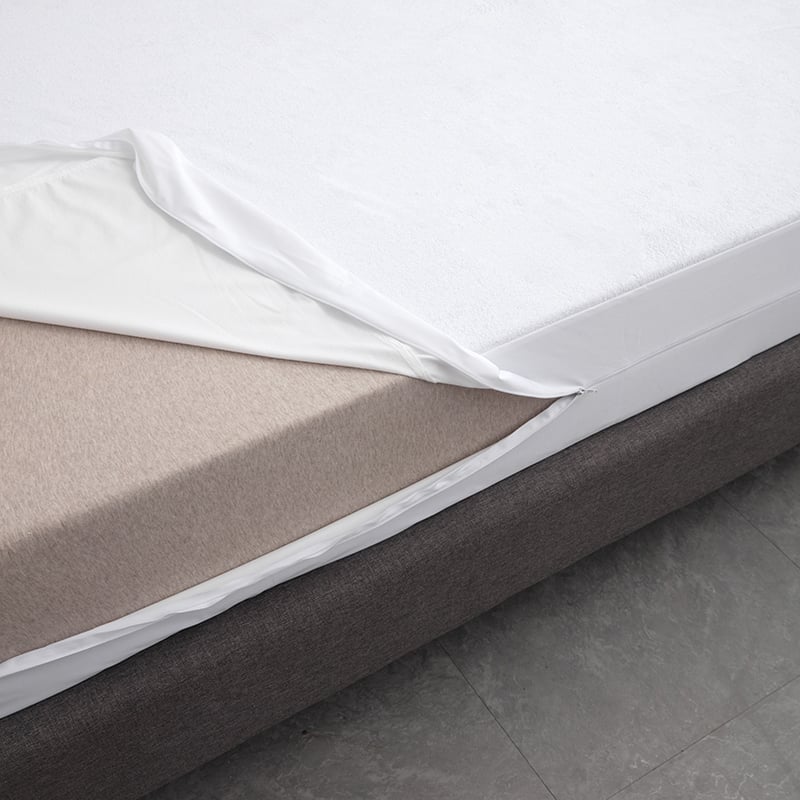
A mattress protector serves as a critical barrier between your mattress and potential damage from moisture, spills, dust, and daily wear. Without proper protection, mattresses accumulate liquids, allergens, and organic matter that can break down internal materials and create an unsanitary sleeping environment. Understanding how a mattress protector functions helps you make informed decisions about protecting your significant investment in quality sleep.
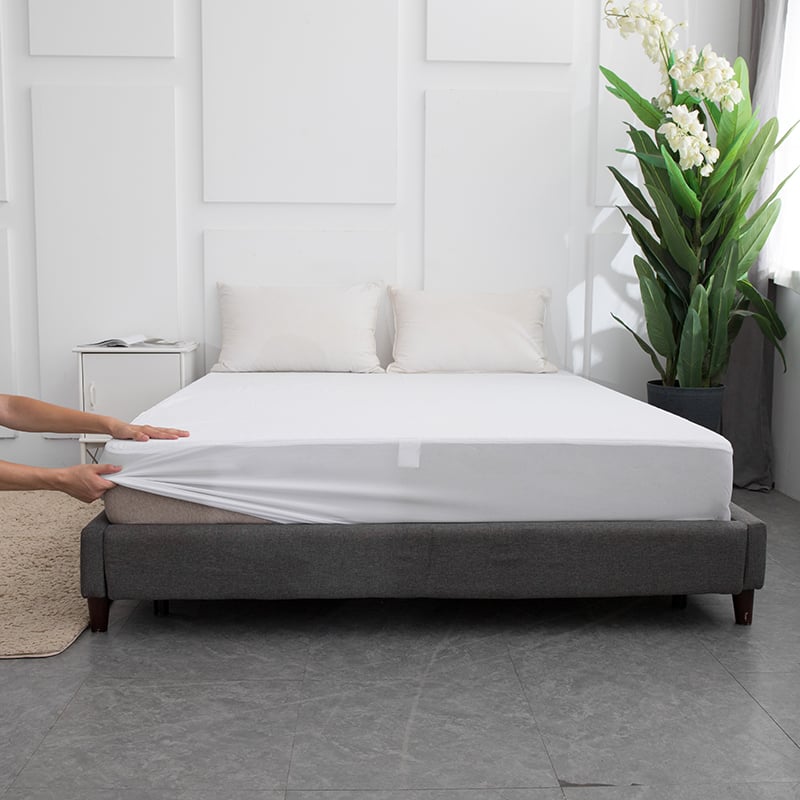
The mattress protector works through a multi-layer system designed to repel liquids while allowing air circulation and breathability. When you invest in quality bedding protection, you're extending your mattress lifespan by years while maintaining its structural integrity and comfort properties. This comprehensive guide explains the protective mechanisms that make a mattress protector an essential bedroom accessory.
How Moisture Protection Works
Waterproof Barrier Technology
The outer layer of a quality mattress protector contains waterproof materials that create an impenetrable barrier against liquids. When moisture encounters this protective layer, it cannot penetrate through to the mattress core. Most modern mattress protector designs use polyurethane membranes or specialized fabric coatings that remain flexible and comfortable while maintaining their water-resistant properties over extended use.
This waterproof technology prevents spills, accidents, perspiration, and humidity from reaching your mattress foundation. Without this protective layer, liquids seep directly into the foam, springs, or other materials that comprise your mattress, causing permanent damage, unpleasant odors, and the growth of harmful bacteria and mold. A mattress protector essentially acts as insurance against these costly consequences.
Moisture Evaporation and Air Flow
Despite providing waterproof protection, a properly engineered mattress protector maintains breathability that allows moisture vapor to escape gradually. This dual function prevents liquid accumulation while enabling air circulation that keeps your sleeping surface fresh and dry. The fabric's porous structure works in tandem with the waterproof backing to create an optimal balance between protection and comfort.
When perspiration naturally occurs during sleep, the mattress protector prevents sweat from saturating your mattress while allowing evaporation to occur at a controlled rate. This breathable design is crucial for maintaining comfort throughout the night and preventing the clammy feeling that occurs when moisture becomes trapped between your body and the mattress surface.
Defense Against Daily Wear and Contaminants
Dust Mite and Allergen Containment
A mattress protector creates a physical barrier that dramatically reduces the accumulation of dust mites, dead skin cells, and other microscopic allergens within your mattress. These particles naturally settle into mattress materials over time, triggering allergies and respiratory issues for sensitive sleepers. By using a mattress protector, you prevent these contaminants from establishing colonies deep within the mattress structure.
Regular cleaning and washing of your mattress protector removes accumulated allergens without requiring deep cleaning of the mattress itself. This maintenance routine is far simpler and more effective than trying to extract allergens from within the mattress after they have already penetrated the interior. For allergy sufferers, a protective barrier significantly improves sleep quality and overall respiratory health.
Stain Prevention and Material Preservation
Daily activities introduce countless staining agents to your mattress including food particles, beverages, cosmetics, and bodily fluids. A mattress protector shields your mattress from these substances, preventing permanent discoloration and deterioration of fabric or foam materials. This protection preserves the mattress appearance and maintains its resale value should you decide to replace it in the future.
The protective covering also prevents direct contact between moisture and the mattress core materials, which can degrade foam density and compromise spring functionality. By maintaining the integrity of internal structures, a mattress protector ensures your mattress retains its original comfort and support characteristics throughout its intended lifespan. This preservation of mattress quality directly contributes to better sleep and reduced replacement expenses.
Extending Mattress Lifespan Through Strategic Protection
Reducing Material Breakdown and Deterioration
Mattresses are engineered to provide support and comfort, but exposure to moisture, dirt, and repeated stress accelerates material breakdown. The protective layer of a mattress protector shields core materials from environmental factors that cause premature deterioration. By reducing this exposure, you significantly extend the period during which your mattress maintains its original support and comfort properties.
Without a mattress protector, moisture gradually weakens foam materials and corrodes metal springs through oxidation and rust formation. These degradation processes happen slowly but continuously, reducing mattress lifespan by several years. The modest investment in a quality mattress protector delivers substantial returns by preserving your mattress investment and delaying expensive replacement purchases.
Warranty Compliance and Protection Coverage
Many mattress manufacturers require the use of a protective barrier to honor warranty coverage and guarantee provisions. Using a mattress protector ensures you maintain full warranty protection against manufacturing defects and premature material failure. This compliance aspect makes a mattress protector not only a practical choice but a necessity for protecting your warranty rights.
Beyond manufacturer requirements, a mattress protector provides personal insurance against accidental damage, spills, and normal wear patterns. Should an accident occur, the barrier prevents damage claims and the financial burden of premature mattress replacement. This risk mitigation aspect alone justifies the relatively low cost of quality mattress protection.
FAQ
Does a mattress protector feel uncomfortable or change sleeping comfort?
Quality mattress protectors are designed to be virtually undetectable during sleep, using breathable materials that maintain the mattress's original feel and comfort level. Modern protective fabrics move with your body, allow air circulation, and avoid creating noise or heat buildup. Most sleepers notice no difference in comfort after installing a mattress protector, making it an invisible form of protection.
How often should I wash my mattress protector?
Regular washing extends the protective lifespan of your mattress protector and maintains its effectiveness against moisture and allergens. Most manufacturers recommend washing your mattress protector monthly or when visible soiling occurs, following care instructions specific to your product. This regular maintenance routine ensures continuous protection and prevents the buildup of dust and allergens on the protective surface.
Can a mattress protector prevent all types of mattress damage?
While a mattress protector provides excellent defense against moisture, stains, and allergen accumulation, it cannot prevent damage from structural pressure or manufacturing defects. However, it effectively protects against the most common damage sources including spills, perspiration, dust accumulation, and bodily fluids. Combined with proper mattress maintenance including regular turning and adequate support, a mattress protector maximizes your mattress lifespan and hygiene standards.
