 EN


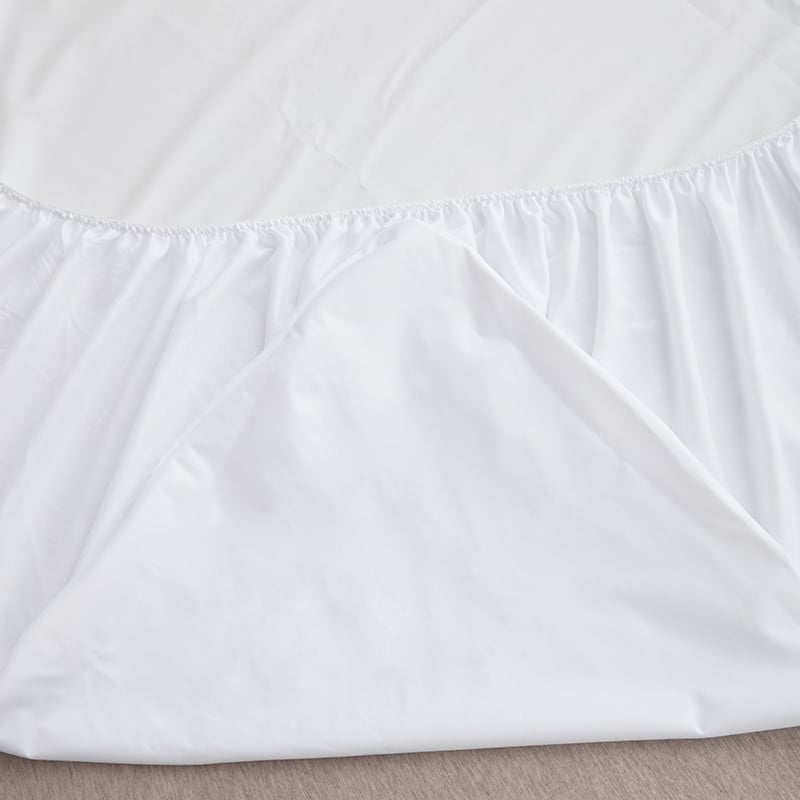
Sleep hygiene in commercial accommodation directly impacts guest satisfaction, health outcomes, and operational costs. A mattress protector is one of the most effective yet underutilized tools for achieving this goal. Whether managing a hotel, hostel, or corporate lodging facility, understanding how a mattress protector enhances hygiene standards reveals why leading properties invest in this simple yet powerful solution.
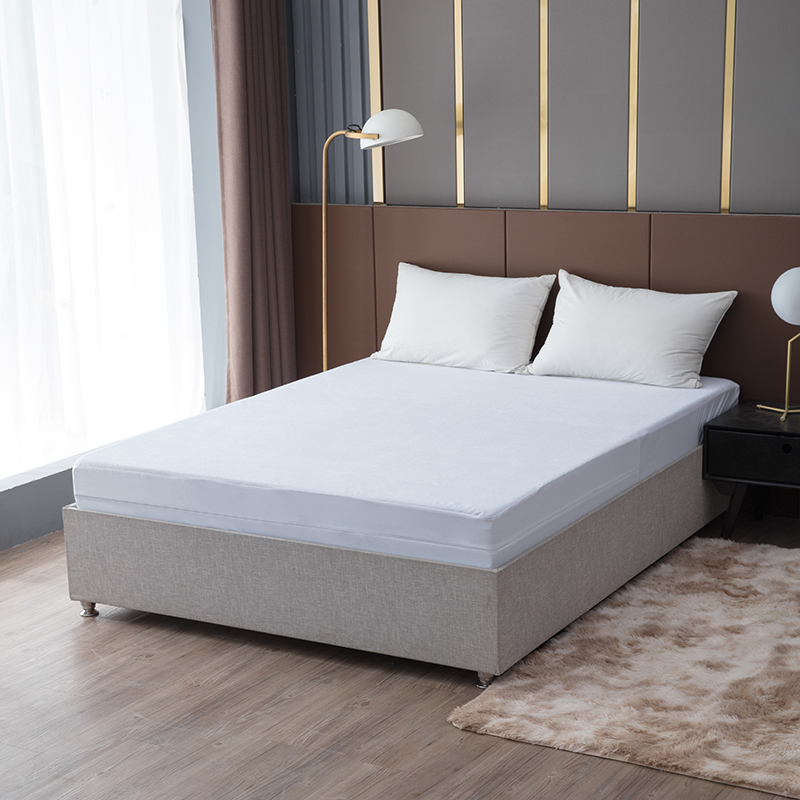
Commercial accommodation environments face unique challenges that differ from residential settings. Guest turnover rates are high, cleaning protocols must be rapid, and liability risks are significant. A mattress protector acts as a critical barrier between guests and the underlying mattress, preventing fluids, dust mites, bacteria, and allergens from penetrating the core structure. This physical separation not only protects the mattress investment but also creates a measurable improvement in the perceived and actual cleanliness of the sleeping environment.
Understanding Mattress Hygiene Challenges in Commercial Settings
Contamination Risks in Shared Sleeping Spaces
Commercial accommodations encounter contamination sources that residential users rarely face. Multiple guests occupy the same mattress within weeks or even days, exposing it to biological material, bodily fluids, sweat, and microorganisms. Without adequate protection, mattresses accumulate dust mites, bacteria, fungal spores, and allergens that create an unhygienic sleeping surface. A mattress protector forms a waterproof barrier that prevents these contaminants from reaching the mattress interior, significantly reducing the microbial load that affects sleep quality and guest health.
Rapid Turnover and Cleaning Constraints
Hotels and commercial facilities operate on tight cleaning schedules between guests. Deep cleaning a mattress takes hours and requires specialized equipment, making frequent intensive sanitization impractical. A mattress protector eliminates this bottleneck by providing a cleanable layer that can be quickly wiped down, spot-cleaned, or even laundered between stays. This efficiency means facilities can maintain hygiene standards without excessive operational downtime or resource consumption, directly improving both cleanliness and profitability.
How a Mattress Protector Supports Sleep Hygiene Standards
Creating a Barrier Against Allergens and Microorganisms
The primary function of a mattress protector is barrier protection. Quality protectors use densely woven fabrics or waterproof membranes that physically block dust mites, pollen, pet dander, and bacterial colonies from penetrating to the mattress core. This barrier effect directly supports sleep hygiene by reducing the allergen load that guests breathe during sleep. For guests with respiratory sensitivities or allergies, sleeping on a protected mattress measurably improves breathing quality and reduces nighttime disturbances, leading to better rest outcomes and higher satisfaction ratings.
Simplifying Hygiene Maintenance and Compliance
Commercial accommodation operations must meet strict hygiene and health code requirements. A mattress protector transforms mattress hygiene from a complex challenge into a straightforward maintenance task. When accidents, spills, or biological incidents occur, staff can clean or replace the protector rather than attempting to sanitize or replace the mattress itself. This capability ensures consistent hygiene compliance across all rooms and reduces the documentation burden associated with mattress sanitation in regulated environments. Facilities can confidently demonstrate that sleep surfaces meet hygiene standards to guests, auditors, and health inspectors.
Practical Implementation in Commercial Accommodation
Selecting Appropriate Protector Specifications
Not all mattress protectors perform equally in commercial settings. Commercial-grade protectors must balance waterproofing, breathability, durability, and comfort to withstand frequent laundering and multiple guest exposures. Protectors with zippered enclosures or fitted top designs ensure complete coverage without slipping during the night, maintaining consistent protection throughout a guest's stay. Bamboo or organic fiber options enhance sleep comfort while maintaining antimicrobial properties, creating a premium feel that guests appreciate. The mattress protector selected should align with the specific hygiene risks and operational constraints of the facility.
Integration with Cleaning Protocols
A mattress protector is most effective when integrated into standardized cleaning workflows. Staff should remove, inspect, and launder the protector between every guest stay, using hot water and appropriate detergents to eliminate pathogens. For spill incidents, immediate removal and replacement prevents fluid from reaching the mattress. Facilities should establish clear protocols defining when protectors are cleaned versus replaced, ensuring consistency and hygiene compliance. When implemented systematically, the mattress protector becomes an essential component of the property's sleep hygiene promise rather than an optional add-on.
FAQ
Can a mattress protector eliminate the need for mattress replacement in commercial settings?
A mattress protector significantly extends mattress lifespan by preventing contamination and fluid damage, but it does not eliminate replacement entirely. Commercial mattresses still require periodic replacement based on usage intensity, structural wear, and hygiene standards. However, a quality mattress protector reduces replacement frequency substantially, lowering long-term capital costs while maintaining superior sleep hygiene throughout the mattress life cycle.
How often should commercial mattress protectors be laundered?
Best practice dictates laundering the mattress protector after every guest checkout, similar to other bed linens. This frequency ensures that accumulated sweat, skin cells, dust mites, and potential pathogens are removed between occupancies. For facilities with high-turnover or special circumstances, protectors may be laundered more frequently or replaced with fresh ones immediately. Consistent laundering is essential to maintaining the hygiene benefits that make the mattress protector investment worthwhile.
Do mattress protectors affect guest comfort or perceived sleep quality?
Modern mattress protectors are designed to be virtually undetectable during sleep. High-quality protectors maintain breathability, allowing moisture to escape while blocking liquid penetration, so guests do not experience excess heat or discomfort. Many commercial facilities report that guests actually prefer sleeping on protected mattresses because they perceive them as cleaner and more hygienic. This positive perception, combined with actual hygiene improvements, contributes to higher guest satisfaction and repeat bookings.
