 EN


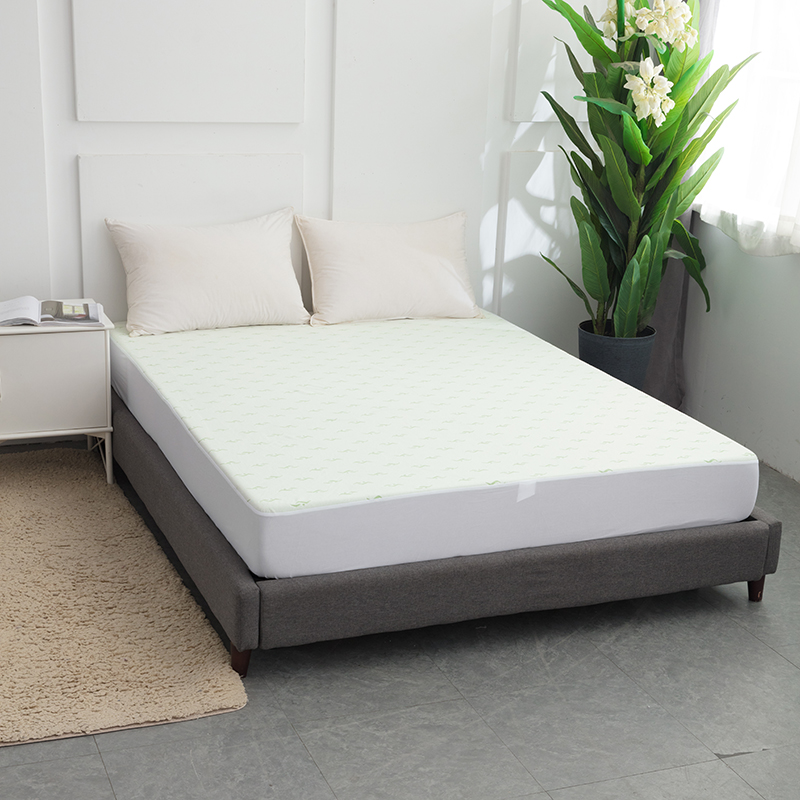
Selecting a mattress protector supplier is one of the most critical purchasing decisions hotel managers must make. A quality mattress protector directly impacts guest satisfaction, extends mattress lifespan, and protects your property investment from costly damage. Yet many hotel operators overlook this decision or treat it as a commodity purchase rather than a strategic choice. Understanding what to evaluate when choosing a mattress protector supplier ensures your property maintains hygiene standards, reduces replacement costs, and delivers the comfort guests expect.
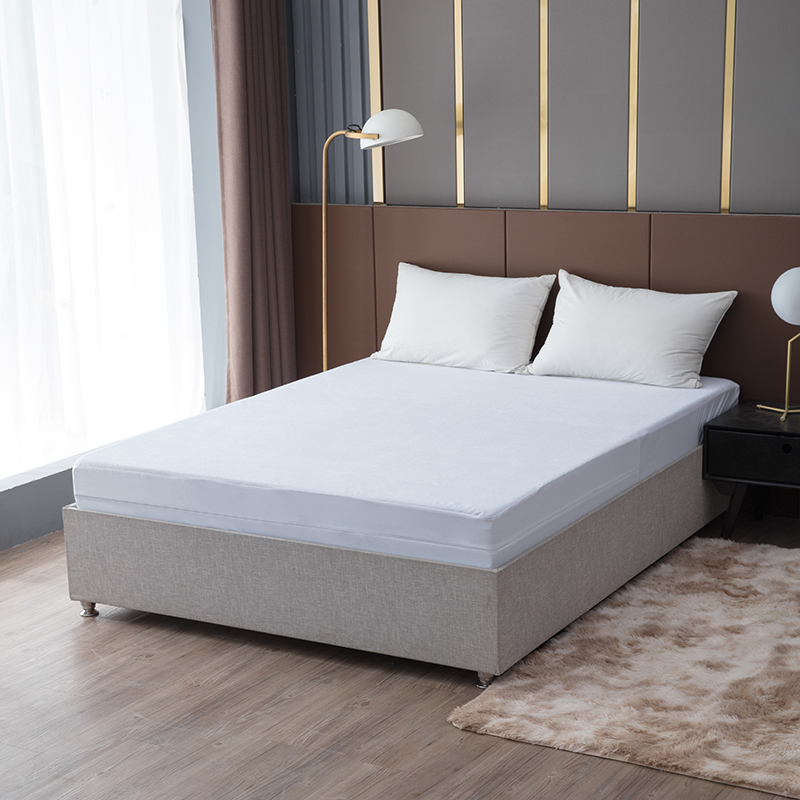
Choosing the right mattress protector supplier requires evaluating multiple factors beyond price alone. A reliable mattress protector supplier should demonstrate expertise in hospitality requirements, offer products that meet industry standards, provide consistent quality, and deliver reliable customer support. The mattress protector you select will undergo intensive use across hundreds or thousands of guest nights annually, making supplier reliability as important as product performance.
Product Quality and Material Standards
Durability Under Intensive Use
Hotel mattresses face unique demands that standard residential environments do not. Frequent laundering, high occupancy rates, and diverse guest behaviors create conditions where a mattress protector must withstand exceptional wear. When evaluating a mattress protector supplier, examine the fabric weight, stitching quality, and seam reinforcement. A quality mattress protector from a reputable supplier typically features reinforced seams that prevent separation after dozens of wash cycles. Ask your supplier about tensile strength ratings and how their mattress protector performs after accelerated wash testing. The material should retain its integrity without pilling, thinning, or losing protective function after 200-plus wash cycles.
Waterproofing and Barrier Performance
The primary function of a mattress protector is protecting against liquid penetration. Your mattress protector supplier should provide transparent documentation on waterproof barrier specifications. Look for suppliers that use multi-layer construction where the mattress protector includes a breathable yet impermeable layer. The mattress protector must block liquids completely while allowing moisture vapor to escape, preventing mold and odor buildup. Request product certifications, such as ISO standards or industry compliance verification, that confirm your mattress protector meets hospitality-grade waterproofing standards. Inferior suppliers often provide thin, non-breathable alternatives that create humidity issues and compromise mattress quality over time.
Compliance, Safety, and Certifications
Fire Safety and Regulatory Compliance
Hotels operate under strict fire safety regulations that directly impact mattress protector selection. Your mattress protector supplier must ensure all products comply with applicable fire codes, such as CFR 1633 in the United States or equivalent standards in your jurisdiction. A responsible mattress protector supplier provides documentation proving their products have passed flame resistance testing. Verify that the mattress protector manufacturer maintains current certifications and can document compliance for audits. Non-compliant mattress protector products expose your property to liability, potential fines, and guest safety risks. Never accept vague assurances; require your supplier to provide third-party test reports confirming the mattress protector meets all regulatory requirements.
Allergen Control and Health Standards
Guest health and hygiene expectations have risen significantly in recent years. A quality mattress protector supplier understands this and offers products that prevent dust mite accumulation, allergen migration, and microbial growth. Your mattress protector should be tested for antimicrobial properties or constructed from naturally resistant materials. Ask whether the mattress protector is hypoallergenic and suitable for guests with sensitive skin. The mattress protector supplier should be transparent about any chemical treatments used and provide safety data confirming the product is safe for close human contact during extended sleep periods. This transparency builds confidence with guests and protects your property from health-related complaints.
Supplier Reliability and Business Partnership
Inventory Management and Consistency
Hotels cannot afford supply chain disruptions. Your mattress protector supplier must demonstrate capacity to maintain consistent inventory that aligns with your replacement cycles and bed count. A reliable mattress protector supplier maintains transparent communication about production capacity, lead times, and potential delays. Inquire about their production standards and quality control processes that ensure every mattress protector meets identical specifications. Switching between suppliers or experiencing quality variations introduces operational complications and inconsistent guest experiences. Evaluate whether the mattress protector supplier offers scalable options that grow with your property, such as volume discounts or flexible ordering terms that accommodate seasonal fluctuations.
Technical Support and Partnership Approach
A superior mattress protector supplier treats hotel operators as partners, not transactional customers. Evaluate whether the supplier offers technical guidance on installation, care procedures, and optimal cleaning protocols that extend mattress protector lifespan. Ask about their approach to problem resolution if issues arise with mattress protector quality or fit. The best mattress protector suppliers provide training materials, responsive customer service, and willingness to address concerns quickly. Request references from other hotels using the same mattress protector supplier to understand their reputation for support. A supplier who invests in your success through education and responsive partnership creates long-term value beyond the initial product purchase.
Cost Analysis and Total Value Consideration
Initial Investment and Volume Pricing
While price matters, evaluating only the unit cost of a mattress protector creates false economy. Calculate the total cost of ownership by considering durability, replacement frequency, and labor costs associated with installation and turnover. A more expensive mattress protector from a quality supplier that lasts longer and requires fewer replacements often provides superior value compared to cheaper alternatives that deteriorate quickly. Request detailed pricing structures from your mattress protector supplier, including volume discounts, bulk ordering options, and any shipping or handling fees. Negotiate transparent pricing that reflects fair value without hidden costs that emerge later.
Return on Investment Through Mattress Preservation
The mattress protector extends the lifespan of your mattresses significantly. A quality mattress protector supplier provides products that prevent stains, fluid penetration, and wear patterns that degrade mattresses prematurely. Unprotected mattresses may require replacement every 5-7 years, while protected mattresses often last 10-12 years with proper care. Calculate how much you spend annually on mattress replacement costs, then evaluate how a mattress protector supplier's products could reduce this expense. Most hotels find that investing in quality mattress protector solutions yields positive returns within 2-3 years through extended mattress life alone. This financial perspective transforms the mattress protector decision from a cost center into a strategic asset preservation investment.
FAQ
What specific certifications should I verify from a mattress protector supplier?
Hotels should verify fire safety certifications (CFR 1633 compliance), waterproofing standards, and any hypoallergenic or allergen-control certifications. Request third-party test reports documenting that the mattress protector meets your jurisdiction's regulations. Reputable suppliers provide these documents readily and can explain their significance for your property's compliance and guest safety.
How often should hotels replace mattress protectors?
Replacement frequency depends on occupancy rates, laundry practices, and mattress protector quality. High-volume hotels typically replace mattress protectors every 2-3 years, while lower-occupancy properties may extend usage to 4-5 years. Work with your mattress protector supplier to establish a replacement schedule based on visible wear, testing results, and your specific operational demands. Regular inspection helps identify when mattress protector protection diminishes.
Can I mix different mattress protector brands across my property?
While technically possible, using multiple mattress protector suppliers creates inconsistency in guest experience, laundry procedures, and inventory management. Standardizing on a single mattress protector supplier simplifies operations, ensures uniform quality, streamlines staff training, and improves purchasing power through volume discounts. Consistency also helps identify issues more quickly since performance variations become immediately apparent.
