 EN

Hotels face constant pressure to maintain pristine bedding while managing operational costs and guest satisfaction. The choice of mattress protector material directly impacts how well your property protects expensive mattresses, extends their lifespan, and delivers guest comfort. Understanding the characteristics of different mattress protector materials is essential for hotel procurement teams seeking durable, hygienic, and guest-friendly solutions.
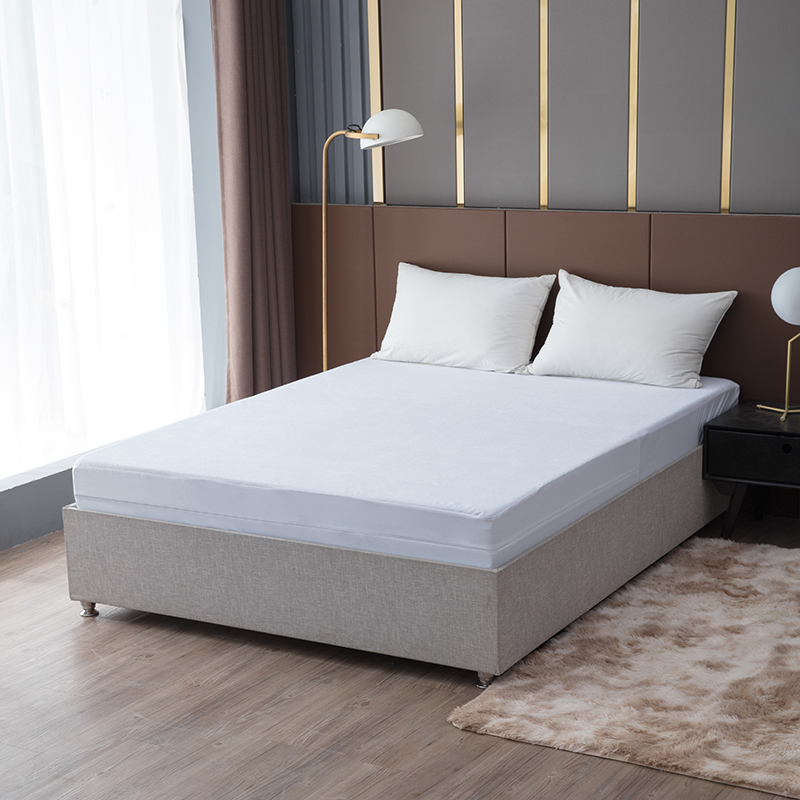
Selecting the right mattress protector requires balancing multiple factors: waterproof protection against spills and bodily fluids, breathability for guest comfort, durability through frequent laundering, and cost-effectiveness over the product lifecycle. Hotels must evaluate materials based on real-world performance in high-turnover environments where beds are stripped, laundered, and remade daily.
Understanding Core Material Types
Polyurethane and Plastic-Based Protectors
Polyurethane membranes offer excellent waterproof protection, creating a reliable barrier against liquids. These mattress protector options are typically cost-effective upfront and provide consistent defense against stains and moisture. However, plastic-based materials can feel hot and sticky to guests, potentially compromising sleep quality and generating negative reviews about bed comfort.
The durability of polyurethane protectors depends heavily on maintenance procedures. Frequent washing at high temperatures can degrade the waterproof membrane over time, reducing the protective lifespan. Hotels using this mattress protector type must balance protection benefits against potential guest comfort complaints and maintenance wear.
Cotton and Natural Fiber Blends
Cotton-based mattress protector materials provide superior breathability and comfort, creating a softer sleeping surface that guests appreciate. Natural fibers allow air circulation, reducing heat buildup and promoting better sleep quality. Cotton blends are particularly valued in upscale properties where guest experience directly influences return bookings and ratings.
While cotton offers comfort advantages, standard cotton alone lacks waterproof protection, making it unsuitable for primary defense against spills. Hotels typically use cotton-based protectors in conjunction with waterproof underlayers or choose cotton-polyurethane blends that combine both properties.
Evaluating Performance Requirements
Waterproofing Efficacy and Durability
The waterproof capability of a mattress protector directly determines how well it prevents liquid penetration into the mattress core. Hospitality environments demand reliable protection against accidental spills, perspiration, and potential biohazard incidents. Hotels must prioritize materials with proven waterproof integrity that withstand repeated guest use and industrial laundering cycles.
Material durability extends beyond initial waterproofing; it encompasses how long protection remains effective after months of weekly washing. Premium mattress protector fabrics maintain seams and waterproof coatings through hundreds of wash cycles, whereas budget options may deteriorate within six months. Hotels calculating true cost-per-use often discover that investing in durable materials reduces replacement frequency and total spending.
Thermal Comfort and Guest Satisfaction
Guest sleep quality depends significantly on mattress protector breathability. Materials that trap heat generate complaints about sweating, discomfort, and poor rest. Hotels monitoring guest feedback consistently see lower satisfaction ratings when mattress protector materials feel uncomfortable or compromised.
Breathable mattress protector options using bamboo terry, cotton-blended fabrics, or specially engineered synthetic materials create cooler sleeping surfaces. These materials allow moisture vapor to escape while maintaining waterproof protection, satisfying both hygiene requirements and guest comfort expectations. Premium properties increasingly select breathable mattress protector solutions as a competitive advantage supporting positive guest reviews.
Maintenance and Lifecycle Considerations
Laundry Compatibility and Longevity
Hotel laundry operations subject mattress protector materials to intense processing: hot water, industrial detergents, high-speed extraction, and commercial dryers. Materials must withstand these harsh conditions without compromising waterproof coatings, seams, or overall integrity. Incompatible mattress protector fabrics degrade rapidly, requiring frequent replacement and disrupting room turnover schedules.
When evaluating mattress protector options, hotels should verify manufacturer claims about wash cycle compatibility at actual operational temperatures. Some materials explicitly require low-temperature washing, limiting operational flexibility. Others tolerate high-heat processing without degradation, enabling efficient laundry workflows and supporting rapid room turnover.
Infection Control and Hygiene Standards
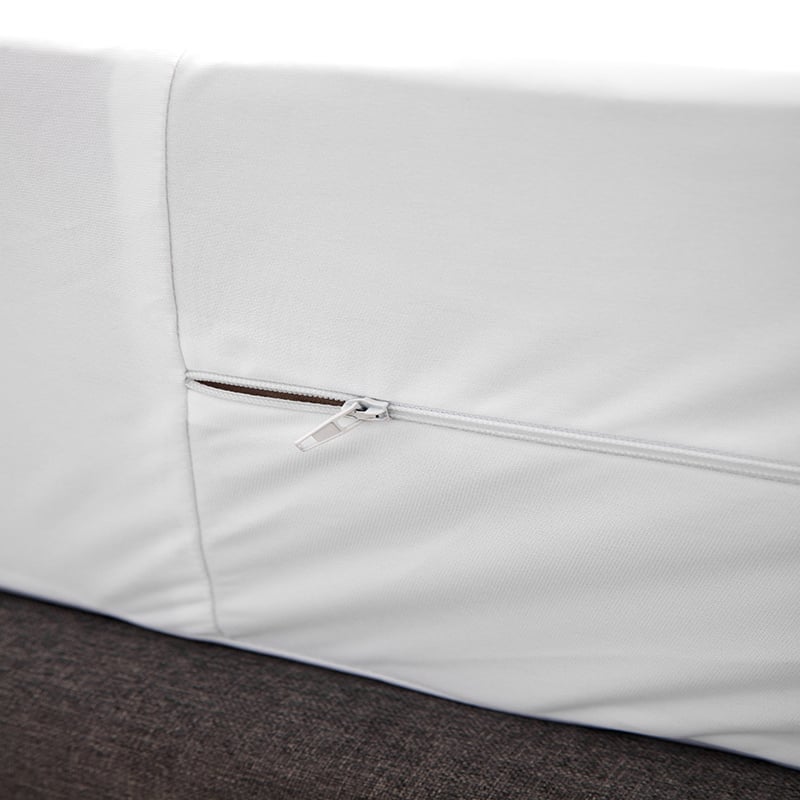
Healthcare and hospitality properties must prioritize mattress protector materials that support rigorous infection control protocols. Fully encased protectors with zipper closures and waterproof construction prevent pathogen transmission and contamination of mattress interiors. Materials should resist bacterial growth, be easily sanitized, and maintain integrity during enhanced cleaning procedures.
Hospitals and medical facilities especially require mattress protector specifications that align with facility sanitation standards. Bamboo terry and specialized synthetic blends offer antimicrobial properties that naturally resist bacterial proliferation. These mattress protector materials support higher hygiene standards compared to conventional options, making them preferable for specialized hospitality sectors.
FAQ
What mattress protector material offers the best balance between waterproofing and comfort?
Bamboo terry combined with polyurethane underlayers provides excellent balance. This mattress protector construction delivers reliable waterproof protection while maintaining breathability and soft surface texture. The natural properties of bamboo fibers regulate temperature, reducing guest complaints about heat buildup while the waterproof layer defends against liquid penetration.
How often should hotels replace mattress protector covers?
High-quality mattress protector materials typically remain effective for 18 to 24 months of weekly institutional washing. Budget options may require replacement every 6 to 12 months as waterproof integrity diminishes. Hotels should inspect protectors quarterly for visible wear, compromised seams, or reduced waterproof performance, replacing items before they fail during guest occupancy.
Are zipper-enclosed mattress protectors better than fitted-sheet styles?
Fully encased mattress protector designs with zippers provide superior contamination control and complete mattress coverage, making them ideal for medical facilities and properties with strict hygiene requirements. Fitted-sheet mattress protector styles offer easier installation and guest comfort but may leave mattress edges exposed. Hotel choice depends on facility type, budget, and hygiene standards; upscale and medical properties typically favor enclosed designs.
