 EN


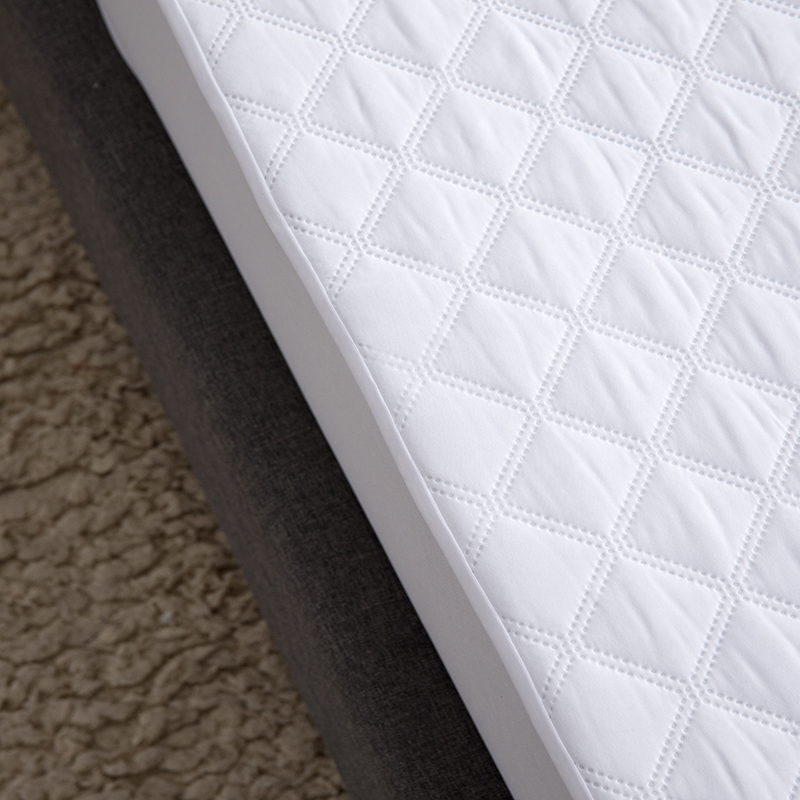
Hotel operators face constant pressure to balance guest satisfaction with operational efficiency. One often-overlooked strategy for reducing expenses involves protecting the largest textile investment in any guest room: the mattress itself. A quality mattress cover serves as a critical barrier between guests and the underlying sleep surface, preventing stains, odors, dust mites, and deterioration that drive premature replacement cycles and inflate maintenance budgets.
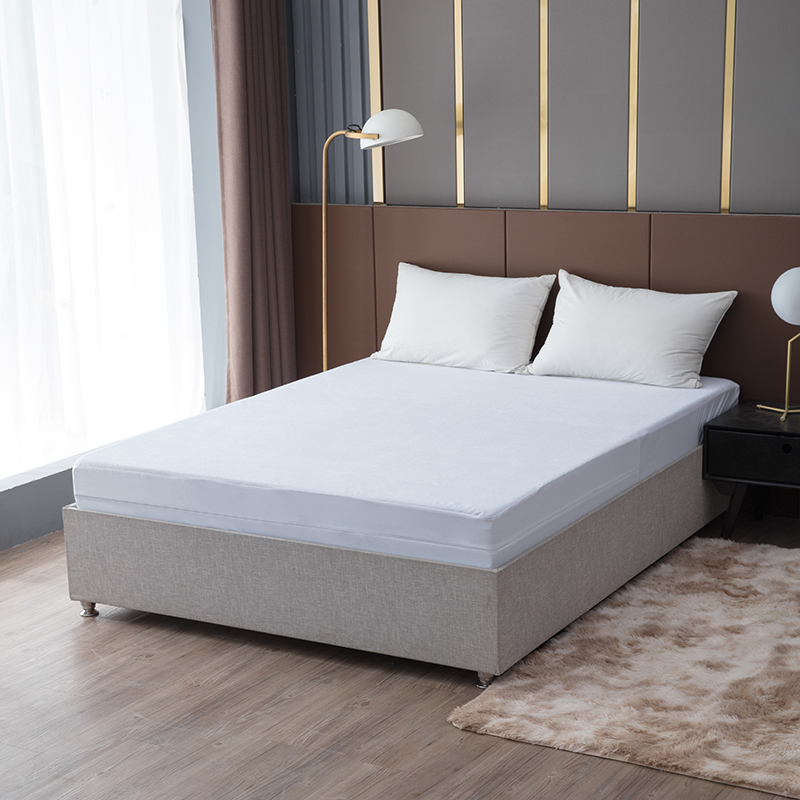
The financial case for implementing mattress covers across a hotel property is straightforward: textile protection directly reduces replacement frequency, cleaning labor, and liability exposure. Modern mattress covers designed for hospitality environments combine waterproof barriers with breathable fabrics, ensuring both asset protection and guest comfort. Understanding how this simple but effective tool impacts your bottom line helps justify the modest upfront investment and reveals long-term savings that compound across dozens or hundreds of rooms.
Extending Mattress Lifespan Through Active Protection
How Mattress Covers Prevent Premature Deterioration
Mattresses in hospitality settings endure constant use, exposure to sweat, spills, and biological contaminants. Without a mattress cover, these materials penetrate the surface, breaking down fibers, promoting mold and mildew growth, and creating odors that persist even after professional cleaning. A protective mattress cover acts as an impermeable shield, capturing liquids, body oils, and allergens on its surface where they can be easily removed through laundering.
The typical hotel mattress depreciates significantly within five to seven years under standard conditions. With a properly maintained mattress cover in place, the same mattress often remains in acceptable condition for eight to ten years or longer. This extended lifespan directly translates to deferred capital expenditure. Consider a mid-size hotel with 150 rooms: delaying mattress replacement by just two years can defer costs exceeding $75,000 in a single refresh cycle. Multiplied across multiple property cycles, this protection becomes substantial.
Material Science Behind Protective Barriers
Premium mattress cover designs use multi-layer construction to balance protection with breathability. Waterproof barriers prevent liquid penetration while allowing moisture vapor to escape, preventing the condensation and mildew that create health hazards and unpleasant odors. Hypoallergenic materials protect guests with respiratory sensitivities while guarding the mattress from dust mite colonization, which degrades foam and fabric integrity over time.
The zipper enclosure design found on quality mattress covers provides complete perimeter protection, preventing bodily fluids and debris from reaching seams and edges where mattress degradation accelerates. This comprehensive coverage approach significantly outperforms simple top-surface coverings, which leave vulnerable edges exposed. Hotels investing in full-enclosure mattress covers report measurably better preservation outcomes compared to facilities using partial protection methods.
Reducing Cleaning, Labor, and Replacement Expenses
Lower Cleaning Costs and Turnaround Time
Every time a guest checks out, housekeeping must clean the mattress or schedule professional deep cleaning if staining or odor has occurred. A mattress cover eliminates the need for specialty mattress cleaning in most routine scenarios. Instead of using expensive enzymatic treatments and industrial-grade cleaning equipment, housekeeping simply removes and washes the mattress cover using standard hotel laundry facilities. This reduced labor requirement directly lowers per-room turnover costs and accelerates check-in readiness during peak occupancy periods.
Professional mattress deep cleaning can cost $100 to $300 per mattress when contracted to third-party specialists. Over a year, even one instance of specialist cleaning per room translates to $15,000 to $45,000 in annual expenses for a 150-room property. By maintaining a protective mattress cover, hotels often eliminate the need for such interventions entirely, redirecting those funds to other operational priorities. Housekeeping teams also report improved efficiency when working with protected mattresses, since they can complete room turnover cycles faster without specialized equipment or extended drying times.
Strategic Capital Equipment Management
Mattress replacement constitutes one of the largest capital expenditures in hospitality operations. A quality mattress costs $500 to $1,500 depending on construction and warranty, with guest-grade hospitality mattresses typically in the higher range. Multiplied across 100, 200, or 300 rooms, a full property refresh can consume $100,000 to $500,000 in capital. By extending individual mattress service life through protective covering, hotels can stagger replacement cycles more economically, avoiding the financial shock of mass replacement events.
Additionally, mattress covers reduce warranty complications. Many manufacturers exclude damage from staining, sweat, or fluid exposure from coverage. A protective mattress cover ensures that warranty protection remains active, preserving the hotel's recovery options if structural mattress failure occurs. This warranty preservation alone justifies the mattress cover investment for properties carrying extended mattress warranties as part of their asset protection strategy.
Health, Safety, and Guest Satisfaction Integration
Creating Hygienic Sleep Environments
Modern travelers increasingly prioritize cleanliness and health safeguards when selecting accommodations. Bed bugs, dust mites, and mold represent legitimate guest concerns that drive negative reviews and cancellations. A visible, quality mattress cover signals to guests that the hotel takes hygiene seriously. The protective barrier prevents dust mites from colonizing the mattress core, reduces mold risk through moisture control, and simplifies the disinfection protocols that hotels must maintain in response to health emergencies.
For properties in humid climates or those managing high occupancy rates, the mold prevention function of a breathable yet waterproof mattress cover becomes particularly valuable. Mold-compromised mattresses must be discarded regardless of their structural condition, representing complete asset loss. A mattress cover that prevents moisture accumulation protects this asset, extends its functional life, and protects guest health simultaneously.
Competitive Advantage and Reputation Protection
Guest reviews emphasizing cleanliness and bed comfort directly influence booking patterns. Properties featuring modern, protective mattress covers benefit from enhanced reputation when travelers recognize the investment in sleep environment quality. This positive perception translates to improved occupancy rates and pricing power, particularly in competitive markets where differentiation becomes increasingly important. The mattress cover thus operates as both a cost-control measure and a revenue protection strategy.
FAQ
What is the typical cost of a quality mattress cover for hospitality use?
Premium mattress covers suitable for hospitality environments typically cost $50 to $150 per cover depending on mattress size, material quality, and zipper enclosure design. For a 150-room hotel property, initial investment ranges from $7,500 to $22,500. Given that this investment defers mattress replacements costing $75,000 to $225,000, the return on investment occurs within the first year of deployment, with ongoing cost recovery continuing throughout the product lifecycle.
How often should a mattress cover be replaced or professionally cleaned?
A well-constructed mattress cover typically functions effectively for three to five years with proper maintenance. Regular laundering between guests preserves fabric integrity and waterproofing. Professional cleaning should occur annually or when visible contamination appears. Replacing the mattress cover every few years is significantly less expensive than replacing the underlying mattress, making this refresh cycle highly cost-effective. Most hotels find that rotating mattress covers during deep cleaning cycles maintains protection while accommodating laundry schedules efficiently.
Can a mattress cover prevent all guest-related mattress damage?
While a quality mattress cover prevents most external contamination and accelerates cleaning cycles, it cannot eliminate all potential damage. Structural failures within the mattress core, manufacturing defects, or mechanical damage from improper handling can still occur independently of surface protection. However, by protecting the mattress from the most common damage vectors—staining, fluid penetration, and biological degradation—a protective mattress cover prevents approximately 80% to 90% of mattress replacement scenarios in typical hospitality operations, making it an exceptionally cost-effective investment.
