 EN


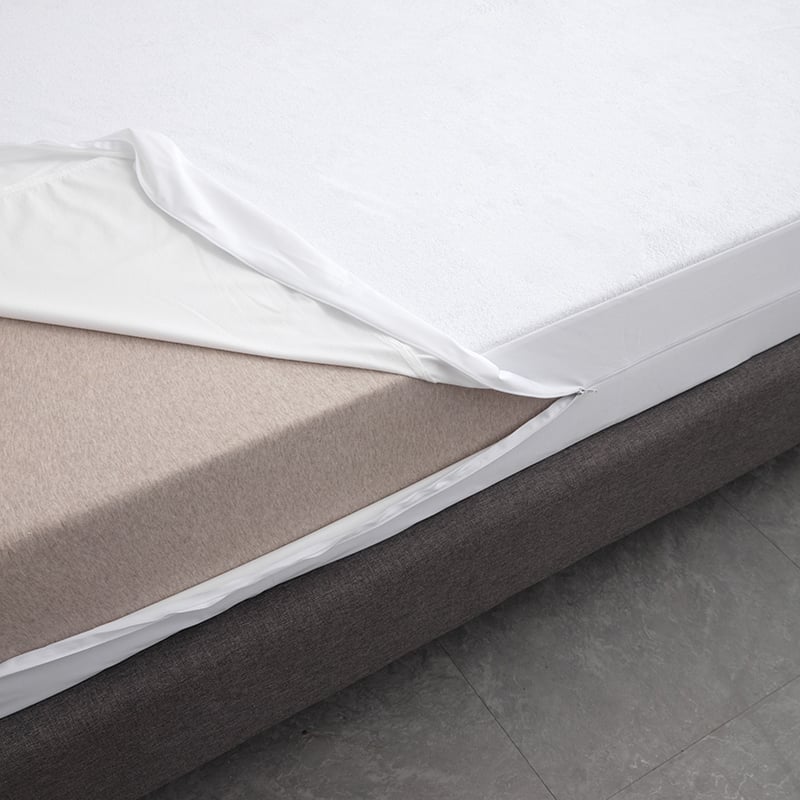
A mattress encasement has become an indispensable investment in hospitality, healthcare, and residential care settings. These protective barriers wrap completely around a mattress, sealing it from all sides to prevent contamination, extend mattress lifespan, and maintain strict hygiene standards. Whether in a five-star hotel, a busy hospital ward, or a long-term care facility, the mattress encasement serves as a critical safeguard against bodily fluids, allergens, dust mites, and microbial growth that can compromise both guest comfort and facility liability.
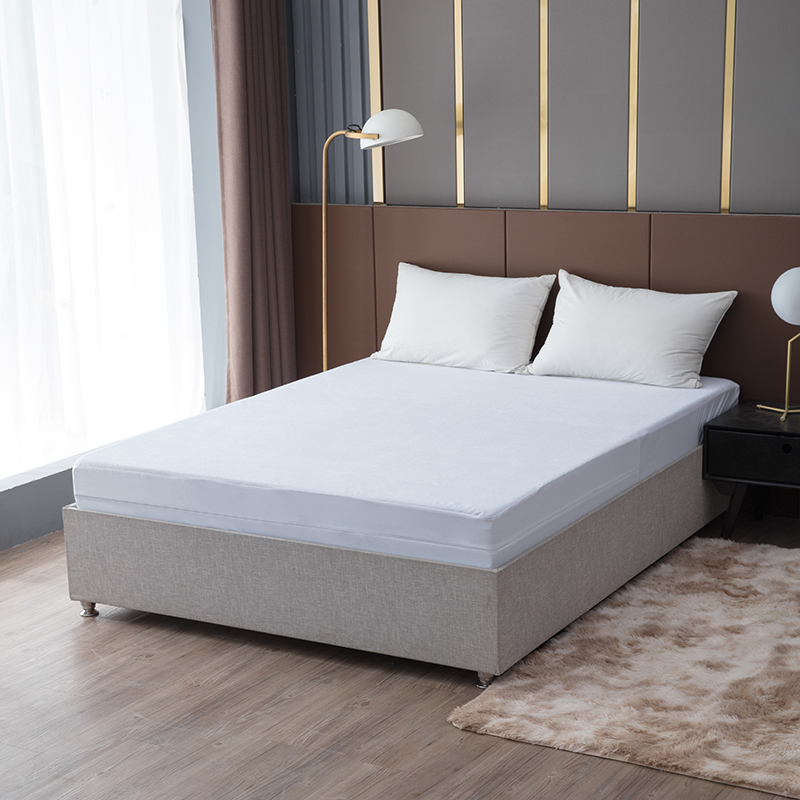
Understanding why mattress encasements are deployed across these sectors requires examining the unique operational pressures and regulatory demands each environment faces. Hotels must balance guest expectations with asset preservation, hospitals must comply with infection control protocols, and care facilities must prioritize resident dignity while managing high-volume laundry and cleaning cycles. The mattress encasement addresses all these concerns simultaneously, making it far more than a luxury add-on but rather a operational necessity.
Protection Against Contamination and Bodily Fluids
Waterproof Barrier Technology
The primary function of a mattress encasement is to create an impermeable barrier between the mattress core and external contaminants. Waterproof materials used in modern encasements prevent liquids from penetrating the fabric and reaching the internal mattress structure. This is especially critical in hospitals where blood, urine, vomit, and other bodily fluids pose serious cross-contamination risks. A single incident of fluid penetration can render an expensive hospital mattress unusable, necessitating costly replacement. With a mattress encasement in place, the protective cover absorbs or repels the liquid, and staff can quickly remove and launder the encasement without compromising the mattress itself.
Allergen and Dust Mite Prevention
Beyond acute contamination, mattress encasements block the accumulation of dust mites, dead skin cells, and allergens that naturally collect in mattresses over time. In healthcare environments, immunocompromised patients benefit significantly from this allergen reduction, as dust mite colonies can trigger respiratory issues and infections. Hotels appreciate this feature because guests with allergies report better sleep quality, leading to higher satisfaction scores and repeat bookings. Care facilities find that encasements reduce allergic reactions among residents, decreasing complaints and improving overall facility reputation. The complete seal provided by a properly fitted mattress encasement prevents these microscopic irritants from becoming embedded in foam or spring systems.
Cost Efficiency and Asset Lifespan Extension
Mattress Preservation and ROI
Hospital mattresses and hospitality-grade beds represent significant capital investments, often costing between one thousand and five thousand dollars per unit depending on quality and specifications. Without protective coverage, these mattresses degrade rapidly due to constant exposure to moisture, stains, and organic matter that breakdown foam and binding materials. A mattress encasement extends effective mattress lifespan by five to ten years by keeping the core structure clean and dry. For a facility with one hundred beds, this means avoiding replacement costs that could exceed one hundred thousand dollars over a decade. The mattress encasement typically costs fifty to three hundred dollars per unit, making the return on investment immediate and substantial.
Operational Cost Reduction
Facilities can launder encasements far more frequently and with less intensive cleaning protocols than attempting to deep-clean contaminated mattresses. Washing an encasement takes minutes and costs only a few dollars per cycle, whereas mattress decontamination is time-intensive, requires specialized equipment, and often fails to fully restore compromised units. Hotels and care facilities can maintain consistent hygiene standards without purchasing expensive mattress cleaning services or replacing units prematurely. This operational efficiency translates directly to budget savings and allows facility managers to allocate resources to patient care, guest amenities, or facility improvements rather than emergency mattress replacement.
Compliance, Infection Control, and Regulatory Requirements
Healthcare and Infection Prevention Standards
Hospitals and care facilities operate under strict infection prevention protocols mandated by health departments, accrediting bodies, and insurance carriers. A mattress encasement is recognized by organizations like The Joint Commission and the CDC as an effective barrier in multi-layered infection prevention strategies. Using encasements helps facilities demonstrate compliance during regulatory inspections and audits, reducing compliance violations and associated fines. Many hospitals now require waterproof mattress encasements as part of their standard bed configuration, particularly in isolation units, emergency departments, and intensive care settings where contamination risk is highest. This regulatory alignment protects facility reputation, reduces liability exposure, and ensures that patient safety standards are consistently maintained across all bed stations.
Guest Confidence and Brand Trust
Hotels that communicate their use of protective mattress encasements build guest confidence in cleanliness and hygiene standards. Guests increasingly expect visible evidence of infection control measures, especially in luxury and upper-midscale properties where hygiene is a key value proposition. When guests see or learn about mattress encasements during check-in or through property marketing, it reinforces the hotel's commitment to health and sanitation. This transparency becomes a competitive differentiator in markets where cleanliness reviews heavily influence booking decisions. Care facilities similarly benefit from communicating these protective measures to family members and residents, demonstrating professional standards and reducing concerns about cross-contamination in shared living environments.
FAQ
What types of mattress encasements are available for different facility needs?
Mattress encasement options range from basic waterproof vinyl covers to premium bamboo-terry blends that offer both protection and comfort. Hospitals often prefer fully enclosed zippered encasements that completely seal the mattress, whereas hotels may choose zippered or fitted styles depending on laundry capabilities. Care facilities frequently select encasements with soft surface materials to maintain resident comfort while ensuring robust waterproof backing. Selection depends on budget, laundry infrastructure, comfort requirements, and specific contamination risks unique to each facility type.
How often should mattress encasements be replaced or laundered?
Most facilities launder mattress encasements between every guest or resident turnover, typically daily or several times per week depending on occupancy and incident rates. High-traffic hospital units may require encasement changes multiple times daily if contamination occurs. Encasements can withstand hundreds of wash cycles before requiring replacement, generally lasting two to five years with proper care. Facilities should establish clear protocols for immediate encasement removal and laundering following any contamination incident to maintain hygiene standards and prevent cross-contamination.
Do mattress encasements affect mattress comfort or sleeping quality?
Modern mattress encasement materials are designed to be breathable and unobtrusive, minimizing impact on sleep comfort and temperature regulation. Premium encasements with bamboo-terry surfaces provide a soft, comfortable feel similar to standard bedding. Most guests and residents do not notice the protective layer when a quality encasement is properly fitted and maintained. Hotels and care facilities report that properly installed encasements have negligible impact on guest or resident satisfaction ratings related to bed comfort.
