 EN

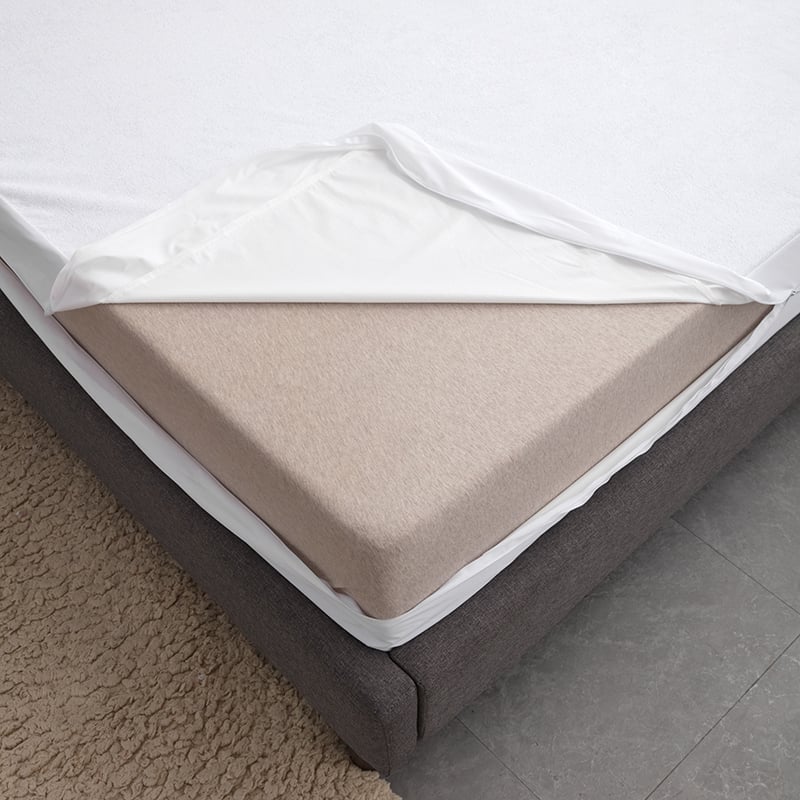
A mattress encasement with a zippered design represents one of the most effective investments for extending mattress lifespan and maintaining sleep hygiene. Unlike traditional mattress pads or toppers that cover only the surface, a zippered encasement fully encloses your mattress on all six sides, creating a protective barrier against external threats. This comprehensive approach to mattress protection has become increasingly popular in both residential and hospitality settings due to its practical effectiveness and long-term value.
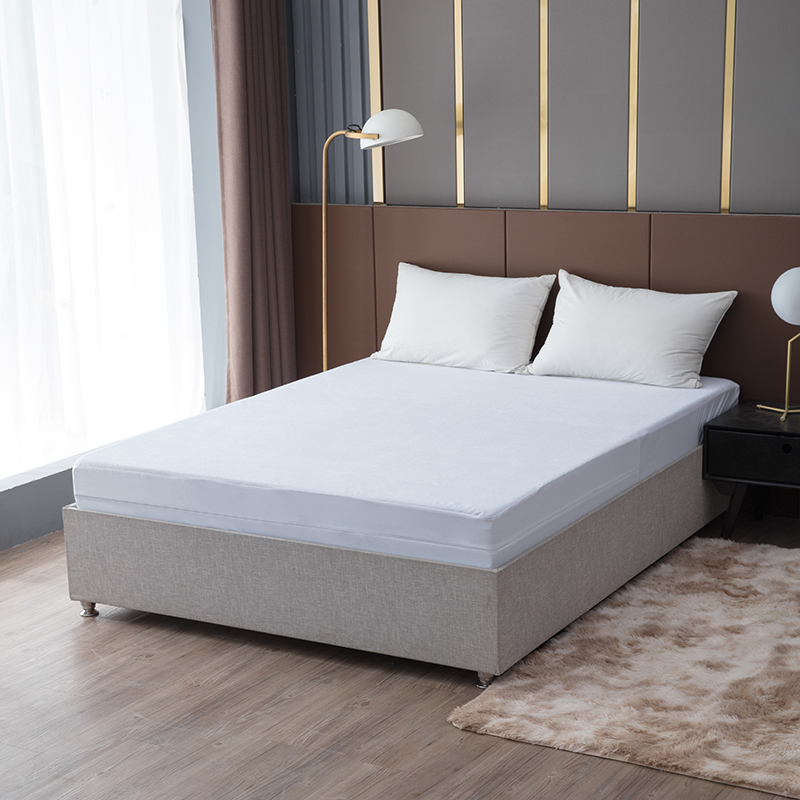
Understanding how a mattress encasement works requires recognizing the specific vulnerabilities that mattresses face during their service life. Mattresses accumulate dust, allergens, moisture, and biological contaminants through daily use, perspiration, and environmental exposure. A zippered mattress encasement addresses these challenges by establishing a sealed perimeter that prevents these harmful elements from penetrating the mattress core, while simultaneously protecting against bed bugs, dust mites, and other common household pests.
How Zippered Encasements Create a Complete Seal
The Role of Full-Perimeter Coverage
A zippered mattress encasement functions differently from standard bed sheets or surface protectors because it encompasses the entire mattress structure. The zipper mechanism runs completely around the encasement, allowing you to slide your mattress inside and create a fully sealed environment. This design eliminates the common problem of protectors shifting or gaps forming between the mattress and protective layer, which often occurs with fitted sheet-style alternatives. The encasement's sealing capability means that dust, allergens, and moisture cannot migrate into the mattress interior where they would accumulate and potentially cause odor, mold growth, or structural degradation.
Material Quality and Barrier Properties
The effectiveness of a zippered mattress encasement depends significantly on the quality and composition of its materials. Premium encasements typically feature multi-layer construction combining breathable fabrics with waterproof barriers. This dual-layer approach allows moisture vapor from perspiration to escape while preventing liquid spills, bodily fluids, and other moisture sources from penetrating toward the mattress. The zippered design enhances this protection by eliminating seams along the perimeter that could serve as water ingress points, creating a more robust and reliable protective system than traditional sewn edges.
Key Protection Benefits of Full Encasement Design
Allergen and Dust Mite Prevention
One of the most significant advantages of using a zippered mattress encasement involves controlling dust mite populations and allergen accumulation. Dust mites thrive in the warm, humid environment of mattresses and feed on dead skin cells that naturally shed during sleep. When you encase your mattress completely, you create an inhospitable environment that dramatically reduces dust mite proliferation. This protection proves particularly valuable for individuals with allergies, asthma, or other respiratory sensitivities. Medical research has demonstrated that encased mattresses significantly lower allergen levels compared to unprotected alternatives, making the mattress encasement a practical intervention for improving sleep quality and reducing allergy symptoms.
Bed Bug and Pest Containment
A fully enclosed mattress encasement also provides essential defense against bed bugs and other household pests that commonly infest bedding. Bed bugs cannot penetrate quality encasement materials, and the sealed design prevents new infestations from establishing in the mattress itself. Additionally, if your mattress was previously infested, an encasement traps remaining bed bugs inside where they eventually die from starvation, essentially creating a quarantine zone. This pest-containment feature makes the mattress encasement invaluable for individuals who have experienced bed bug problems or who travel frequently and want to minimize contamination risks.
Liquid Protection and Moisture Management
Waterproof Barrier Against Spills and Accidents
Accidental spills, pet accidents, and bodily fluid incidents pose substantial risks to mattress integrity and hygiene when left unprotected. A quality zippered mattress encasement with waterproof components prevents these liquids from penetrating the mattress core. The encasement absorbs the impact of the spill on its outer surface, where it can be easily wiped clean or, if necessary, the entire encasement can be removed and laundered. This protective capacity extends mattress lifespan dramatically, particularly in households with children, pets, or individuals with incontinence concerns. Without this protection, absorbed moisture promotes mold growth, bacterial proliferation, and permanent staining that degrades both mattress function and hygiene.
Breathability and Condensation Prevention
While waterproof protection is essential, a well-designed zippered mattress encasement must also facilitate moisture vapor transmission to prevent condensation buildup. Modern encasements use breathable fabrics combined with waterproof membranes that allow perspiration moisture to escape rather than accumulating inside the encasement. This balanced approach prevents the mattress from becoming damp or developing odor-causing microbial growth while still maintaining the waterproof seal against liquid spills. The combination of breathability and waterproofing represents an important technical consideration when selecting a mattress encasement for long-term performance and comfort.
Long-Term Mattress Value and Hygiene Maintenance
Extending Mattress Lifespan and Asset Protection
A quality zippered mattress encasement represents a cost-effective investment that extends mattress lifespan by five to ten years or more. By preventing accumulation of dust, allergens, body oils, sweat, and biological contaminants, the encasement preserves the mattress materials and structural integrity. This protection proves especially valuable for higher-quality mattresses where the encasement cost is minimal compared to mattress replacement expense. Hotels, healthcare facilities, and residential consumers increasingly recognize that a mattress encasement provides superior return on investment compared to more frequent mattress replacement, making it a standard component of professional facility management and personal bedding maintenance protocols.
Simplified Cleaning and Hygiene Protocols
The removable zipper design of a quality mattress encasement simplifies cleaning and allows regular laundering that extends overall mattress life. Most modern encasements are machine washable, permitting complete removal of accumulated dust, allergens, and contaminants through regular cleaning cycles. This capability distinguishes zippered encasements from fixed surface protectors that cannot be easily removed or washed. For individuals managing allergies, immunocompromised conditions, or germaphobic concerns, the ability to regularly clean the mattress encasement provides significant psychological and practical benefits, supporting overall sleep environment hygiene and personal confidence in mattress cleanliness.
FAQ
Does a zippered mattress encasement affect mattress comfort or feel?
A high-quality zippered mattress encasement should have minimal impact on mattress comfort or feel when properly constructed with breathable materials. Premium encasements use thin, flexible fabrics that conform closely to the mattress surface without adding noticeable bulk or changing the sleeping experience. The encasement sits between the mattress and your sheets, so you interact primarily with the sheet layer rather than the encasement itself. Inferior encasements with heavy, stiff materials may create a noticeable texture change or reduced breathability, so selecting a mattress encasement from reputable manufacturers ensures comfort remains uncompromised while protection is maximized.
How often should I wash my zippered mattress encasement?
Most experts recommend washing your zippered mattress encasement every two to three months for general household use, with more frequent washing for allergy sufferers or individuals with specific hygiene concerns. Machine washing the encasement removes accumulated dust, dust mite allergens, and skin cells that normal vacuuming cannot fully eliminate. Follow the manufacturer's specific care instructions regarding water temperature and detergent type to ensure the encasement maintains its waterproof and protective properties. Regular laundering of the mattress encasement represents a simple but effective practice that maximizes both hygiene benefits and the long-term durability of the protective covering.
Can a mattress encasement prevent all bed bug infestations?
While a zippered mattress encasement provides excellent protection against bed bugs establishing residence inside your mattress, it cannot prevent bed bugs from living on top of the encasement or in your bedding and sheets. For maximum pest protection, use your mattress encasement in combination with other preventive measures including regular inspection of bedding, vacuum cleaning, and targeted treatments if infestation occurs. The encasement's primary advantage involves preventing mattress infestation and trapping any bed bugs already present inside, but comprehensive pest control requires a multi-layered approach that includes protection for other bedding components and sleeping surfaces.
