Professional Laminated Fabric Manufacturers - Custom Multi-Layer Textile Solutions

application/laminated-fabric-manufacturers, application/laminated-fabric-manufacturers, 
Get a Quote
application/laminated-fabric-manufacturers, application/laminated-fabric-manufacturers, 
Get a Quote

laminated fabric manufacturers

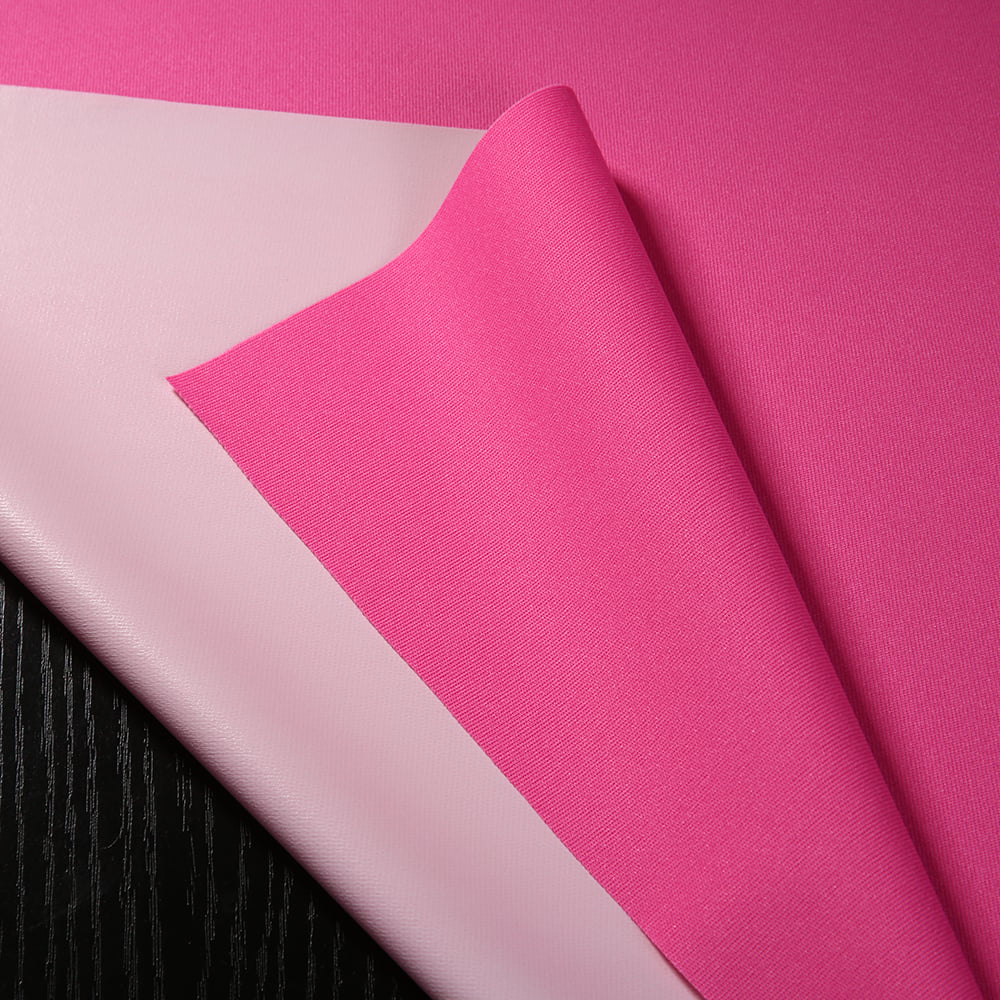
Laminated fabric manufacturers represent a specialized segment of the textile industry that combines multiple layers of materials to create high-performance fabrics with enhanced properties. These manufacturers utilize advanced bonding techniques to fuse different substrates together, resulting in composite materials that offer superior functionality compared to single-layer textiles. The primary function of laminated fabric manufacturers is to produce fabrics that serve specific purposes across diverse industries, from outdoor apparel and medical textiles to automotive interiors and industrial applications. The technological foundation of laminated fabric manufacturing involves sophisticated processes such as adhesive lamination, thermal bonding, and flame lamination, each suited to different material combinations and end-use requirements. Modern laminated fabric manufacturers employ computer-controlled machinery that ensures precise temperature regulation, uniform pressure distribution, and consistent adhesive application throughout the production process. These facilities typically work with various base materials including woven fabrics, knitted textiles, non-wovens, foams, films, and membranes, selecting combinations that deliver targeted performance characteristics. The applications of products from laminated fabric manufacturers span numerous sectors including fashion and sportswear where waterproof breathable fabrics are essential, medical industries requiring barrier protection and sterility, automotive manufacturing demanding durability and aesthetic appeal, and protective workwear necessitating resistance to chemicals, heat, or mechanical stress. Leading laminated fabric manufacturers invest heavily in research and development to create innovative material combinations that address emerging market needs while maintaining environmental responsibility through sustainable sourcing and production methods. Quality control systems implemented by professional laminated fabric manufacturers ensure consistent product specifications, reliable performance standards, and compliance with international regulations governing textile safety and environmental impact across all manufacturing stages.
Working with established laminated fabric manufacturers provides customers with significant practical benefits that directly impact product performance and business success. First and foremost, these manufacturers offer access to specialized technical expertise that would be prohibitively expensive to develop internally. Their teams understand the complex interactions between different materials, adhesives, and processing conditions, enabling them to recommend optimal solutions for specific application requirements. This knowledge saves customers considerable time and resources that would otherwise be spent on trial-and-error experimentation. Another major advantage is the ability to customize fabric properties precisely to match intended use cases. Laminated fabric manufacturers can adjust characteristics such as water resistance, breathability, flexibility, durability, and appearance by selecting appropriate material combinations and bonding methods. This customization capability allows brands to differentiate their products in competitive markets while ensuring performance standards meet or exceed customer expectations. Cost efficiency represents another compelling benefit when partnering with professional laminated fabric manufacturers. These operations achieve economies of scale through bulk material purchasing, optimized production processes, and specialized equipment that maximizes output while minimizing waste. Customers benefit from competitive pricing without sacrificing quality, making laminated fabrics accessible for both premium and value-oriented product lines. Speed to market is accelerated when working with experienced laminated fabric manufacturers who maintain ready inventory of common material combinations and can quickly scale production to meet demand fluctuations. Their established supply chains and production workflows eliminate delays that often plague in-house manufacturing attempts. Quality consistency stands as perhaps the most critical advantage, as laminated fabric manufacturers implement rigorous testing protocols and quality assurance systems that guarantee every production batch meets specified standards. This reliability protects brand reputations and reduces costly product recalls or customer complaints. Environmental considerations increasingly matter to consumers, and reputable laminated fabric manufacturers have invested in sustainable practices including water-based adhesives, recycled materials integration, and energy-efficient production equipment. Customers can leverage these green credentials in their marketing while genuinely reducing environmental footprints. Finally, ongoing technical support from laminated fabric manufacturers provides peace of mind, as these partners remain available to troubleshoot issues, suggest improvements, and adapt products as market conditions evolve, creating long-term value beyond the initial transaction.

Practical Tips

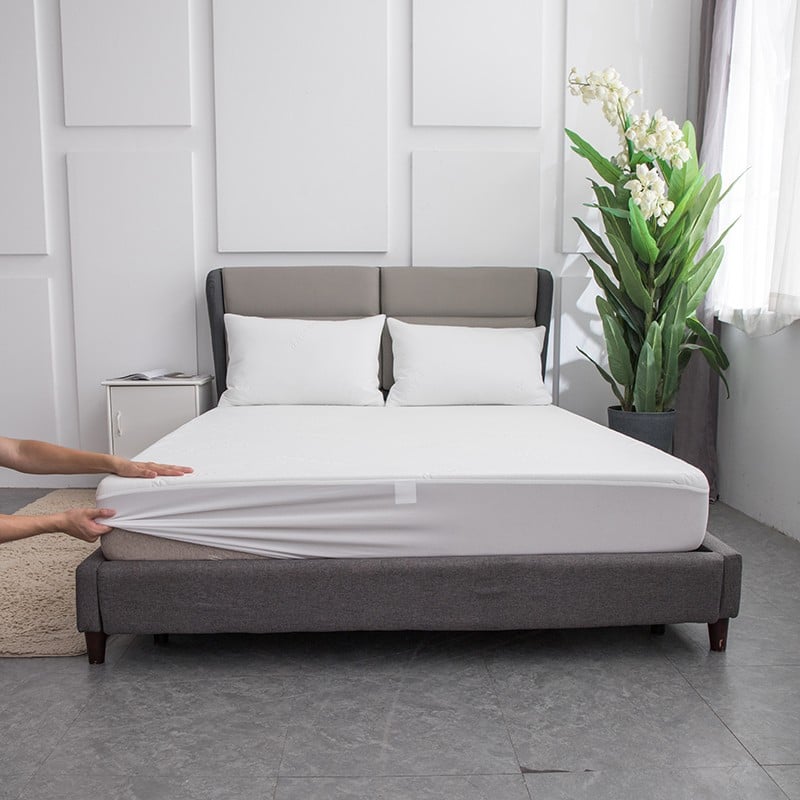
Safe Sleep, Pure Protection: OEKO-TEX® Certified Waterproof Mattress Cover

18

Aug

Safe Sleep, Pure Protection: OEKO-TEX® Certified Waterproof Mattress Cover

View More
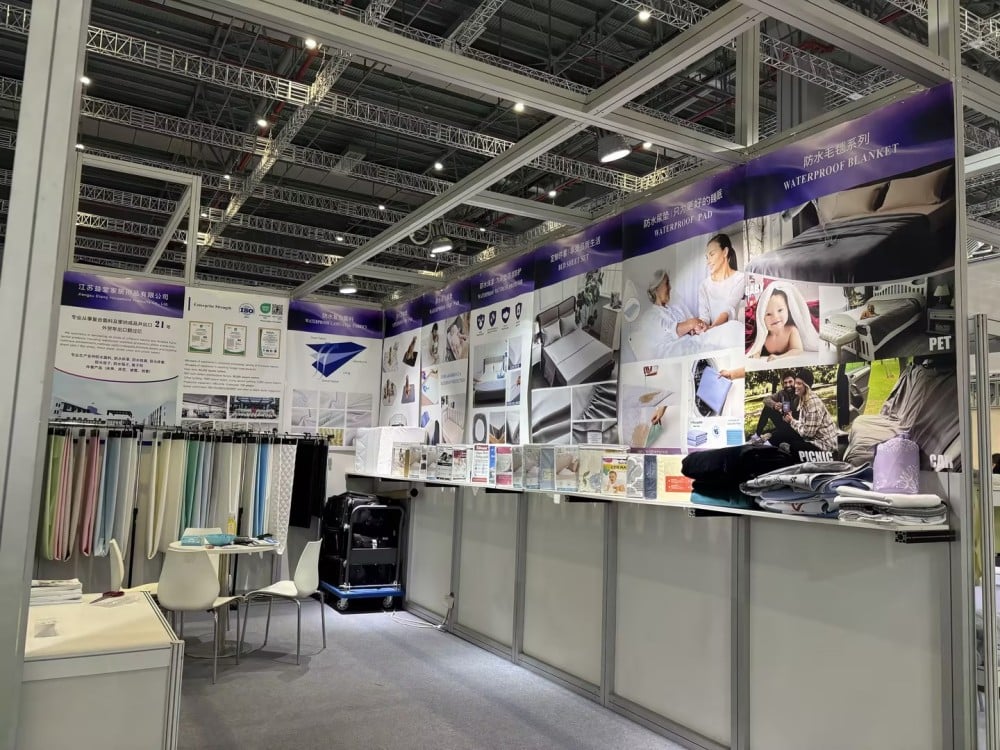
Jiangsu Etang Household Products Co., Ltd to Shine at 2025 Intertextile Shanghai Home Textiles Expo

11

Aug

Jiangsu Etang Household Products Co., Ltd to Shine at 2025 Intertextile Shanghai Home Textiles Expo

View More
Cheers to a Night of Milestones: Jiangsu Etang Celebrates a Year of Growth & Innovation

13

Mar

Cheers to a Night of Milestones: Jiangsu Etang Celebrates a Year of Growth & Innovation

View More
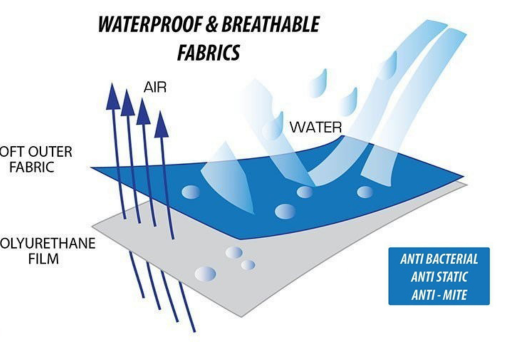
Unlocking TPU Nanotechnology: Why Your Waterproof Mattress Protector Can Be Leak-Proof and Breathable at the Same Time?

14

May

Unlocking TPU Nanotechnology: Why Your Waterproof Mattress Protector Can Be Leak-Proof and Breathable at the Same Time?

View More

Get a Free Quote

Our representative will contact you soon.
0/1000
Advanced Multi-Layer Bonding Technology

Advanced Multi-Layer Bonding Technology

The cornerstone capability that distinguishes professional laminated fabric manufacturers is their mastery of advanced multi-layer bonding technology, which represents a sophisticated fusion of materials science, engineering precision, and manufacturing expertise. This technology enables the creation of composite fabrics that combine the best properties of disparate materials into single unified textiles with synergistic performance characteristics. At the technical level, laminated fabric manufacturers utilize multiple bonding methodologies tailored to specific material combinations and performance requirements. Adhesive lamination involves applying specially formulated compounds between layers, which can range from solvent-based systems offering exceptional bond strength to water-based alternatives providing environmental advantages and reduced chemical exposure. Thermal bonding technology uses heat and pressure to activate thermoplastic properties within materials, creating molecular-level bonds without additional adhesives, resulting in softer hand feel and enhanced breathability. Flame lamination applies controlled flame to foam surfaces, creating a molten layer that bonds to fabric substrates upon contact, ideal for cushioning applications in automotive and furniture industries. The precision control systems employed by modern laminated fabric manufacturers ensure consistent results across large production runs, with computerized monitoring of temperature zones, pressure application, line speeds, and material tension. This technological sophistication translates directly into product reliability that customers can depend upon for their own manufacturing processes. Beyond basic bonding, leading laminated fabric manufacturers have developed proprietary techniques for creating micro-perforated laminates that balance waterproofing with breathability, multi-layer constructions incorporating reflective or insulating components for specialized protective garments, and stretch-compatible laminations that maintain performance through repeated flexing cycles. The importance of this advanced technology cannot be overstated for businesses seeking competitive advantages through superior product performance. When outdoor gear manufacturers need fabrics that keep wearers dry while preventing internal condensation buildup, the multi-layer bonding technology from qualified laminated fabric manufacturers makes this possible through carefully engineered membrane integrations. When medical product companies require materials that provide bacterial barriers while remaining comfortable against skin, these same technological capabilities deliver solutions that meet stringent regulatory requirements. The value proposition extends beyond immediate product performance to encompass long-term reliability and consistency that protects brand reputations and customer satisfaction ratings across diverse market segments.
Comprehensive Material Selection and Customization Capabilities

Comprehensive Material Selection and Customization Capabilities

A defining characteristic of accomplished laminated fabric manufacturers is their comprehensive material selection capabilities combined with extensive customization options that empower customers to create precisely targeted fabric solutions for specific applications. This highlight addresses the fundamental challenge facing product developers who must balance multiple, often competing performance requirements within constrained budget parameters and tight development timelines. Professional laminated fabric manufacturers maintain extensive material libraries encompassing hundreds of substrate options across categories including technical textiles, decorative fabrics, functional films, protective membranes, cushioning foams, and specialty coatings. This breadth of available materials means customers can explore diverse combinations to achieve optimal performance profiles rather than settling for compromise solutions. The customization process begins with collaborative consultation where laminated fabric manufacturers work directly with customers to understand specific performance criteria, aesthetic preferences, regulatory requirements, and commercial constraints. These manufacturers employ application engineers who translate customer needs into technical specifications, recommending material combinations and bonding methods most likely to achieve desired outcomes. This consultative approach distinguishes professional laminated fabric manufacturers from commodity textile suppliers who offer only standard catalog items with limited modification options. The practical importance of comprehensive material selection becomes evident when considering real-world application challenges. For instance, automotive interior manufacturers require fabrics that resist UV degradation, withstand temperature extremes, provide comfortable touch, meet flammability standards, and maintain appearance through years of use. Laminated fabric manufacturers address these multifaceted requirements by combining UV-stabilized face fabrics with flame-retardant backing materials and durable adhesive systems specifically formulated for automotive environments. Similarly, outdoor furniture producers need weather-resistant fabrics that repel moisture, resist mold growth, provide comfort, and deliver aesthetic appeal across multiple seasons. The material selection and customization capabilities of experienced laminated fabric manufacturers enable creation of laminates combining solution-dyed acrylic faces with waterproof membrane cores and breathable backing layers that collectively address all performance requirements. Beyond standard customization, forward-thinking laminated fabric manufacturers offer prototype development services allowing customers to test material combinations before committing to full production runs. This reduces financial risk and accelerates product development cycles by identifying potential issues early in the design process. The value delivered through comprehensive material selection and customization extends throughout the product lifecycle, ensuring finished goods perform as intended while meeting quality expectations that build customer loyalty and drive repeat purchases.
Stringent Quality Control and International Compliance Standards

Stringent Quality Control and International Compliance Standards

The third critical differentiator of reputable laminated fabric manufacturers is their implementation of stringent quality control systems combined with comprehensive adherence to international compliance standards, aspects that fundamentally determine the reliability, safety, and marketability of finished products across global distribution channels. Quality control within professional laminated fabric manufacturing operations encompasses multiple checkpoints throughout the production process, beginning with incoming raw material inspection that verifies substrate specifications, adhesive formulations, and component compatibility before production commences. This front-end verification prevents costly production disruptions and ensures only materials meeting predetermined standards enter the manufacturing workflow. During production, continuous monitoring systems track critical parameters including bond strength, lamination uniformity, material alignment, surface appearance, and dimensional stability, with automated sensors triggering immediate corrections when deviations occur. This real-time quality management minimizes waste while maintaining consistent output characteristics across entire production batches. Post-production testing conducted by qualified laminated fabric manufacturers includes comprehensive physical property evaluations such as peel strength measurements, abrasion resistance testing, colorfastness assessment, water penetration analysis, breathability quantification, and durability cycling that simulates extended use conditions. These rigorous testing protocols provide objective data confirming products meet or exceed specified performance standards before shipment to customers. Beyond internal quality systems, leading laminated fabric manufacturers maintain certifications demonstrating compliance with internationally recognized standards including ISO 9001 for quality management systems, OEKO-TEX for textile safety and environmental responsibility, REACH regulations governing chemical substances, and industry-specific certifications such as automotive OEM approvals or medical device standards. These certifications require regular third-party audits verifying ongoing compliance, providing customers with independent verification of manufacturing quality and regulatory conformance. The practical importance of stringent quality control and compliance adherence becomes particularly evident when products cross international borders or enter regulated markets. Medical textile applications require materials that meet biocompatibility standards, demonstrate consistent barrier properties, and maintain sterility integrity throughout distribution and storage. Laminated fabric manufacturers serving medical markets implement cleanroom production environments, validated sterilization compatibility testing, and comprehensive documentation systems that satisfy FDA and international medical device regulations. Similarly, children's products incorporating laminated fabrics must comply with strict chemical content limitations, flammability requirements, and mechanical safety standards across different jurisdictions. Manufacturers maintaining current knowledge of these evolving regulations and implementing compliant production processes protect their customers from costly recalls, legal liabilities, and reputation damage. The value proposition of partnering with quality-focused, compliant laminated fabric manufacturers extends beyond risk mitigation to encompass market access advantages, as documented compliance often represents mandatory requirements for distribution through major retailers or entry into regulated sectors. This systematic approach to quality and compliance transforms laminated fabric manufacturers from simple suppliers into strategic partners supporting long-term business success.