Leading Underpad Factory: Custom Absorbent Pad Manufacturing Solutions

application/underpad-factory, application/underpad-factory, 
Get a Quote
Get a Quote

underpad factory

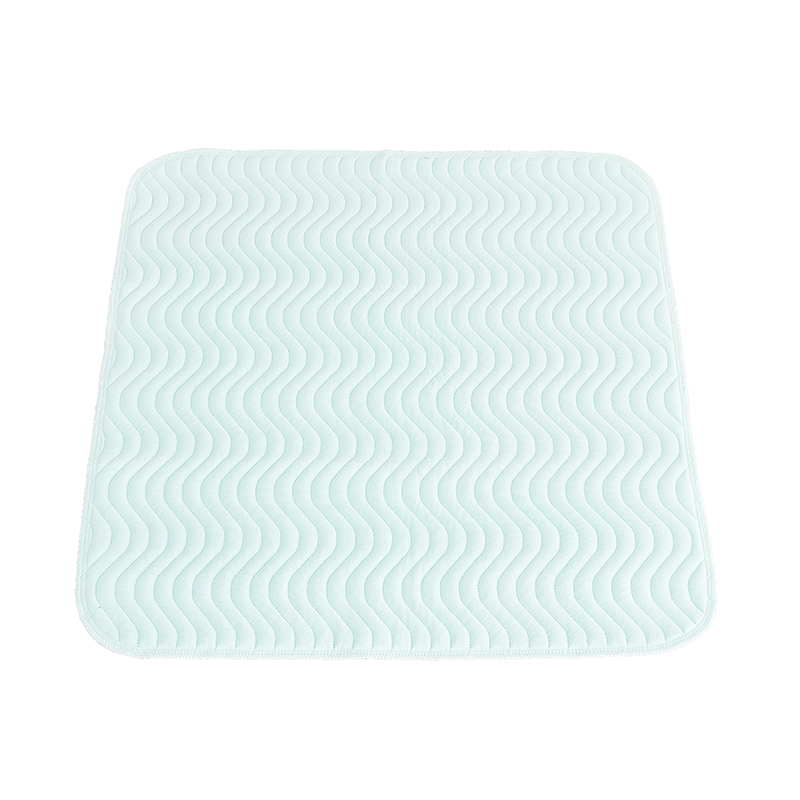
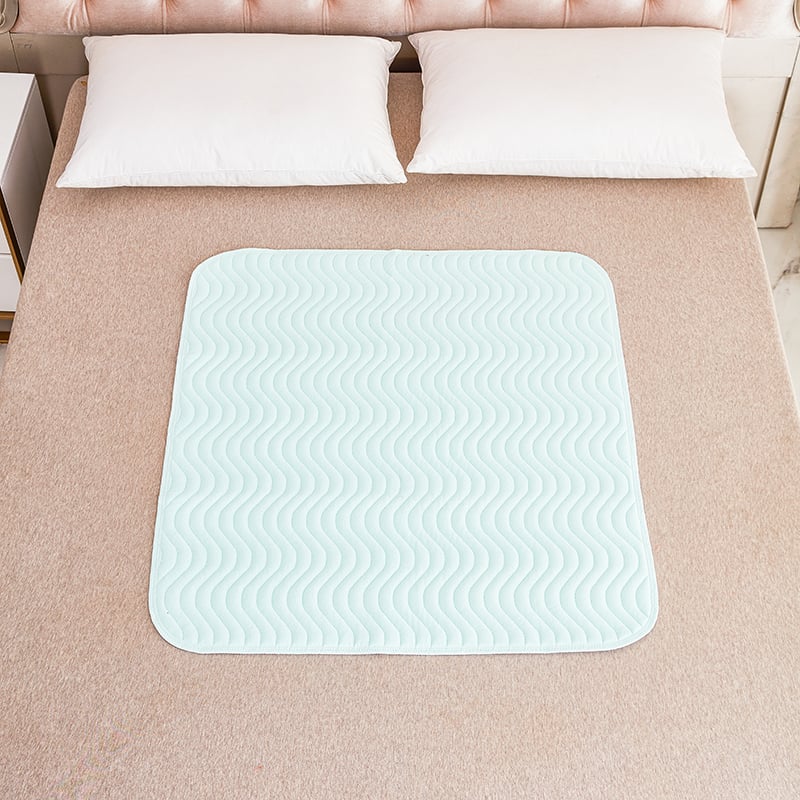
An underpad factory is a specialized manufacturing facility dedicated to producing high-quality underpads, also known as bed pads, incontinence pads, or disposable mattress protectors. These facilities are engineered to meet the growing global demand for hygiene and medical care products used in hospitals, nursing homes, home care settings, and everyday household environments. The core function of an underpad factory is to design, develop, and mass-produce absorbent pads that protect mattresses, furniture, and bedding from moisture, bodily fluids, and other contaminants, ensuring a clean and comfortable environment for users of all ages. A modern underpad factory integrates advanced manufacturing technologies, including automated cutting and laminating systems, ultrasonic bonding equipment, and precision fluid management machinery. These technologies allow the factory to produce underpads with multiple functional layers, typically consisting of a soft nonwoven top sheet, a highly absorbent fluff pulp or SAP core, a leak-proof polyethylene back sheet, and optional adhesive strips for secure placement. The combination of these layers ensures maximum absorption, rapid fluid distribution, and reliable leakage prevention. Technologically, a leading underpad factory employs strict quality control protocols at every stage of production, from raw material inspection to finished product testing. Automated vision systems detect defects in real time, while laboratory testing verifies absorption capacity, tensile strength, and skin-friendliness. Many factories also hold certifications such as ISO 13485, CE marking, and FDA registration, demonstrating compliance with international medical device standards. The applications of products from an underpad factory are broad and diverse. They serve patients recovering from surgery, elderly individuals managing incontinence, infants and toddlers during diaper changes, and pet owners protecting furniture. Additionally, underpads are widely used in veterinary clinics, rehabilitation centers, and maternity wards. The versatility and essential nature of these products make the underpad factory a critical link in the global healthcare supply chain, supporting better hygiene outcomes and improved quality of life across multiple demographics and care settings worldwide.
Choosing a reliable underpad factory gives you a direct path to better products, lower costs, and stronger business outcomes. Here is a clear look at the practical benefits you gain when you work with a well-equipped underpad factory. First, you get consistent product quality every single time. A professional underpad factory runs automated production lines that eliminate human error and maintain tight tolerances across every batch. Whether you order ten thousand units or ten million, the absorption performance, layer bonding, and dimensional accuracy stay the same. This consistency protects your brand reputation and reduces customer complaints significantly. Second, you save money through economies of scale. An underpad factory that operates at high volume purchases raw materials like fluff pulp, superabsorbent polymer, and nonwoven fabric in bulk, passing those savings directly to you. Compared to sourcing finished products from distributors or middlemen, buying directly from the factory cuts your per-unit cost substantially, freeing up budget for marketing, distribution, or product development. Third, you gain full customization control. A capable underpad factory works with you to tailor product specifications to your exact market needs. You can choose the pad size, absorbency level, top sheet texture, color, adhesive strip configuration, and packaging design. This flexibility lets you create a product line that stands out on shelves and meets the specific requirements of your target customers, whether they are hospitals, retail consumers, or institutional buyers. Fourth, you benefit from faster lead times and reliable supply. A factory with modern equipment and streamlined logistics can fulfill large orders quickly and maintain buffer stock to handle demand spikes. This reliability means you never face stockouts during peak seasons or critical care periods, keeping your customers satisfied and your supply chain running smoothly. Fifth, you access technical expertise and ongoing product innovation. The engineering and R and D teams inside a top underpad factory continuously test new materials, improve absorption formulas, and develop eco-friendly alternatives. Partnering with such a factory means you stay ahead of market trends without investing in your own research infrastructure. You get access to the latest product improvements as they become available, giving your business a competitive edge. Sixth, working with a certified underpad factory simplifies your regulatory compliance. Factories that hold ISO, CE, or FDA certifications have already done the hard work of meeting international safety and quality standards. Their documentation, testing records, and quality management systems make it straightforward for you to satisfy the requirements of healthcare regulators, retail buyers, and institutional procurement teams in your target markets. Seventh, a responsible underpad factory supports your sustainability goals. Many leading factories now use biodegradable materials, reduce water and energy consumption during production, and implement waste recycling programs. Aligning with such a factory strengthens your brand image among environmentally conscious consumers and helps you meet corporate social responsibility commitments. In summary, partnering with the right underpad factory delivers measurable advantages across quality, cost, customization, supply reliability, innovation, compliance, and sustainability, making it one of the smartest decisions you can make for your hygiene product business.

Latest News

What is TPU?

11

Aug

What is TPU?

View More
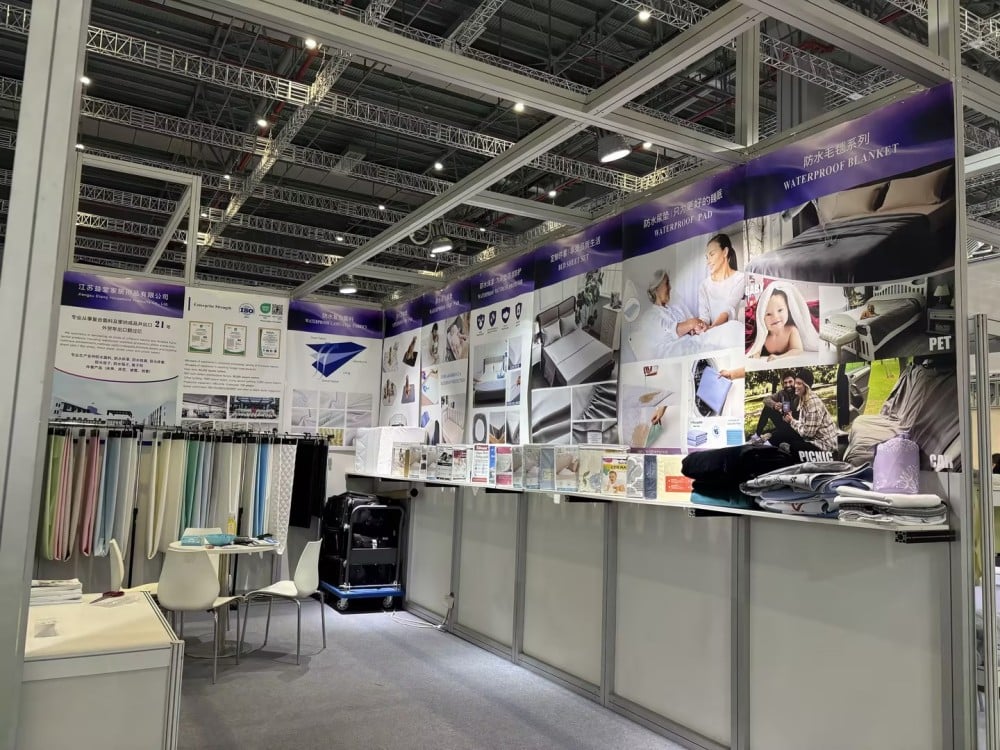
Jiangsu Etang Household Products Co., Ltd to Shine at 2025 Intertextile Shanghai Home Textiles Expo

11

Aug

Jiangsu Etang Household Products Co., Ltd to Shine at 2025 Intertextile Shanghai Home Textiles Expo

View More
Fitted Sheet vs. Zippered Encasement: Which One Should You Choose?

22

May

Fitted Sheet vs. Zippered Encasement: Which One Should You Choose?

View More
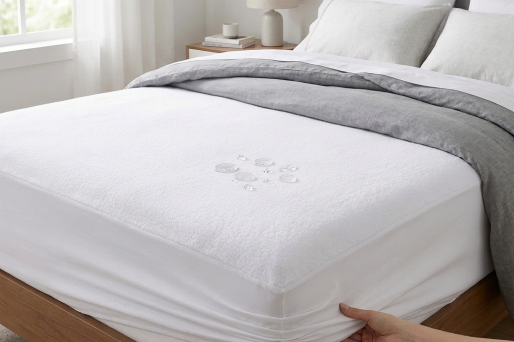
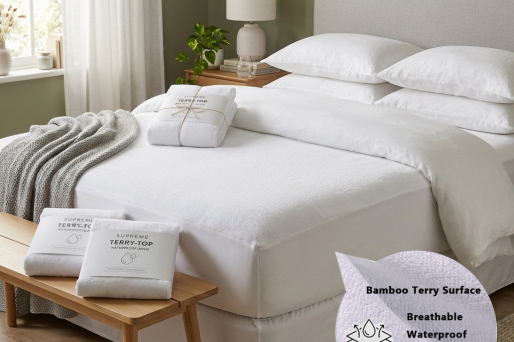
Bamboo Terry Waterproof Mattress Protector: The Cool, Quiet & Leak-Proof Solution

29

Jul

Bamboo Terry Waterproof Mattress Protector: The Cool, Quiet & Leak-Proof Solution

View More

Get a Free Quote

Our representative will contact you soon.
0/1000
Advanced Multi-Layer Absorption Technology That Sets the Standard

Advanced Multi-Layer Absorption Technology That Sets the Standard

One of the most defining features of a world-class underpad factory is its mastery of multi-layer absorption technology. This is not simply about stacking materials together. It is a precise engineering process that determines how quickly fluid is drawn away from the surface, how effectively it is locked inside the core, and how reliably the pad prevents any leakage from reaching the mattress or furniture beneath. At the heart of this technology is the superabsorbent polymer, commonly known as SAP, which is blended with fluff pulp to form the absorbent core. A skilled underpad factory calibrates the ratio of SAP to fluff pulp based on the intended use case. For example, a pad designed for overnight incontinence management requires a higher SAP concentration to handle larger fluid volumes, while a pad used for post-surgical wound care may prioritize rapid acquisition speed over total capacity. The top sheet layer is equally important. A premium underpad factory uses soft, skin-friendly nonwoven fabric that allows fluid to pass through instantly while keeping the surface feeling dry to the touch. This dry surface contact is critical for preventing skin irritation, pressure sores, and dermatitis in patients who spend extended periods in bed. The acquisition and distribution layer, positioned between the top sheet and the core, spreads incoming fluid evenly across the entire pad surface, preventing localized saturation and maximizing the use of the full absorbent core. The bottom layer, typically a polyethylene film, acts as a complete moisture barrier. Advanced underpad factories apply micro-embossing or breathable film technology to this layer, allowing air circulation while blocking liquid, which reduces heat buildup and improves user comfort during prolonged use. Quality control at this stage involves rigorous rewet testing, strike-through measurement, and hydrostatic pressure resistance evaluation. Every roll of finished product from a reputable underpad factory passes these tests before it leaves the production floor, ensuring that end users receive a product that performs exactly as promised under real-world conditions.
Fully Customizable Production Capabilities for Every Market Segment

Fully Customizable Production Capabilities for Every Market Segment

A truly competitive underpad factory does not offer a one-size-fits-all product. Instead, it provides a comprehensive customization platform that allows brand owners, distributors, healthcare procurement teams, and retail buyers to build products precisely matched to their audience. This customization capability is one of the strongest commercial advantages that a modern underpad factory brings to its partners. Size flexibility is the starting point. Underpads are used in a wide range of settings, from neonatal care units requiring small, delicate pads to bariatric care environments needing extra-large coverage. A well-equipped underpad factory maintains tooling and die-cut configurations for dozens of standard sizes and can produce custom dimensions on request with minimal retooling time and cost. Absorbency customization goes deeper than simply adjusting core weight. The underpad factory can modify the SAP distribution pattern, the fluff pulp density, and the acquisition layer thickness to achieve specific absorption rates and total capacity targets. This means a hospital procurement manager can specify a pad that absorbs a defined volume within a defined time window, and the factory can engineer and validate that exact performance profile. Surface texture and material selection offer another dimension of customization. Buyers can choose from multiple nonwoven grades, including spunbond, spunlace, and airlaid options, each offering different softness levels, strength characteristics, and cost profiles. Adhesive strip placement, quantity, and adhesive strength can also be configured to match the bedding types common in the target market. Packaging and branding customization complete the picture. The underpad factory can produce products under private label with full custom printing on individual wrappers, inner bags, and outer cartons. Barcode placement, language selection, regulatory labeling, and shelf-ready packaging formats are all handled within the factory, reducing the need for downstream repackaging and saving time and cost throughout the supply chain. This end-to-end customization capability makes the underpad factory an indispensable manufacturing partner for any business serious about building a differentiated hygiene product brand.
Rigorous Quality Assurance Systems That Build Long-Term Trust

Rigorous Quality Assurance Systems That Build Long-Term Trust

Trust is the foundation of any successful supply relationship, and a reputable underpad factory earns that trust through relentless commitment to quality assurance at every stage of the manufacturing process. From the moment raw materials arrive at the factory gate to the moment finished pallets leave for shipment, a structured and documented quality management system governs every action taken on the production floor. Incoming material inspection is the first line of defense. A professional underpad factory tests every batch of nonwoven fabric, fluff pulp, SAP, polyethylene film, and adhesive for compliance with pre-agreed specifications. Materials that fall outside tolerance are quarantined and returned to suppliers, preventing substandard inputs from ever reaching the production line. This upstream control is what separates a factory that consistently delivers excellent products from one that produces variable results. In-process quality monitoring uses a combination of automated sensor systems and trained quality technicians. Automated checkweighers verify core weight at high speed, vision systems inspect for surface defects and misaligned layers, and tension sensors monitor bonding integrity across the lamination process. Any deviation triggers an immediate line stop and root cause investigation, preventing defective products from accumulating before the problem is identified and corrected. End-of-line testing subjects finished underpads to a battery of performance evaluations. Absorption capacity tests measure how much fluid the pad can hold under standardized conditions. Rewet tests confirm that absorbed fluid does not return to the surface under pressure. Tensile strength tests verify that the pad holds together during handling and use. Skin safety evaluations confirm that materials meet biocompatibility standards appropriate for contact with sensitive skin. A certified underpad factory documents all of these results and makes them available to customers as part of a transparent quality reporting process. This documentation supports regulatory submissions, retail buyer audits, and institutional procurement approvals, giving customers the evidence they need to confidently bring the product to market. Long-term, this rigorous approach to quality assurance reduces returns, builds consumer loyalty, and establishes the underpad factory as a partner that customers can rely on year after year.