 EN

Selecting the right mattress protector is one of the most important decisions you can make to extend the lifespan of your mattress and safeguard your investment. A quality mattress protector serves as a barrier against spills, dust mites, allergens, and general wear, yet many buyers overlook critical features when making their purchase. Understanding what to evaluate before ordering ensures you choose a product that truly meets your needs and delivers long-term value. The mattress protector market offers numerous options with varying capabilities, so knowing which specifications matter most can save time, money, and frustration.
Before placing an order, buyers should evaluate multiple dimensions of product performance, material composition, construction quality, and practical usability. A comprehensive assessment involves examining waterproofing capabilities, fabric materials, size compatibility, closure mechanisms, breathability, cleaning procedures, and warranty coverage. Each element directly impacts how well the mattress protector performs in real-world conditions and whether it aligns with your specific household requirements and lifestyle patterns.
Waterproofing and Protection Standards
Understanding Waterproof Ratings and Barrier Technologies
The waterproofing capability of a mattress protector represents its core function and deserves careful scrutiny. Not all waterproof ratings are equivalent; some products offer splash resistance while others provide complete liquid impermeability across the entire surface and seams. Buyers should verify whether the mattress protector uses a membrane barrier, laminated coating, or specialized fabric treatment to achieve waterproofing. Quality products combine multiple protective layers to prevent liquids from penetrating to your mattress, including around zipper lines and seams where failures commonly occur. The construction method directly determines durability and long-term performance under repeated exposure to moisture.
Identifying Key Protection Layers
A robust mattress protector typically features at least three functional layers: a breathable top surface, a waterproof middle barrier, and a comfortable bottom layer. Each layer serves a distinct purpose, and examining their composition helps ensure you select protection appropriate for your situation. Top-layer materials vary from bamboo terry cloth to microfiber, affecting comfort and skin feel. The barrier layer determines actual waterproofing performance and should resist degradation from repeated washing and exposure to body moisture over months of use. Bottom layers contribute to bed stability and prevent shifting, particularly important for mattress protectors used on adjustable beds or with heavier mattresses.
Material Composition and Comfort Features
Fabric Selection and Hypoallergenic Properties
The surface material of your mattress protector directly affects sleeping comfort and suitability for different skin types. Bamboo terry cloth offers natural hypoallergenic properties, enhanced softness, and excellent moisture-wicking characteristics that appeal to allergy sufferers and those with sensitive skin. Microfiber alternatives provide durability and cost efficiency but may trap heat more readily. Buyers with allergies, eczema, or asthma should prioritize organic or naturally derived materials certified against harmful chemical residues. The mattress protector you choose will contact your skin throughout the night, making material selection as important as underlying protection layers. Verifying third-party certifications like OEKO-TEX or similar standards provides confidence that the mattress protector meets rigorous safety and performance benchmarks.
Breathability and Temperature Regulation
Effective breathability allows body heat and moisture to escape rather than accumulate beneath the mattress protector, preventing discomfort and creating an environment unsuitable for dust mites. Some waterproof technologies sacrifice breathability entirely, creating a plastic-like barrier that traps heat and moisture. Buyers should seek products specifically engineered for moisture-wicking while maintaining waterproof protection—a challenging design goal that distinguishes premium products. Temperature regulation becomes critical in warm climates or for hot sleepers who already struggle with overheating. Testing mattress protector samples or reviewing detailed customer feedback about sleeping temperature can reveal whether the product maintains comfortable conditions throughout the night without excessive heat retention.
Fit, Durability, and Maintenance Considerations
Size Compatibility and Closure Mechanisms
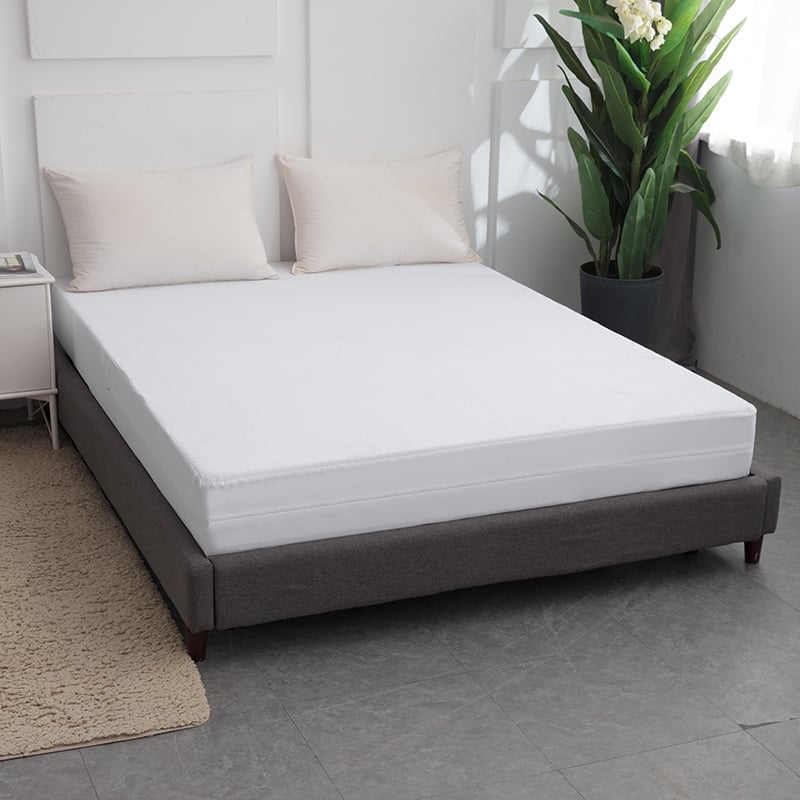
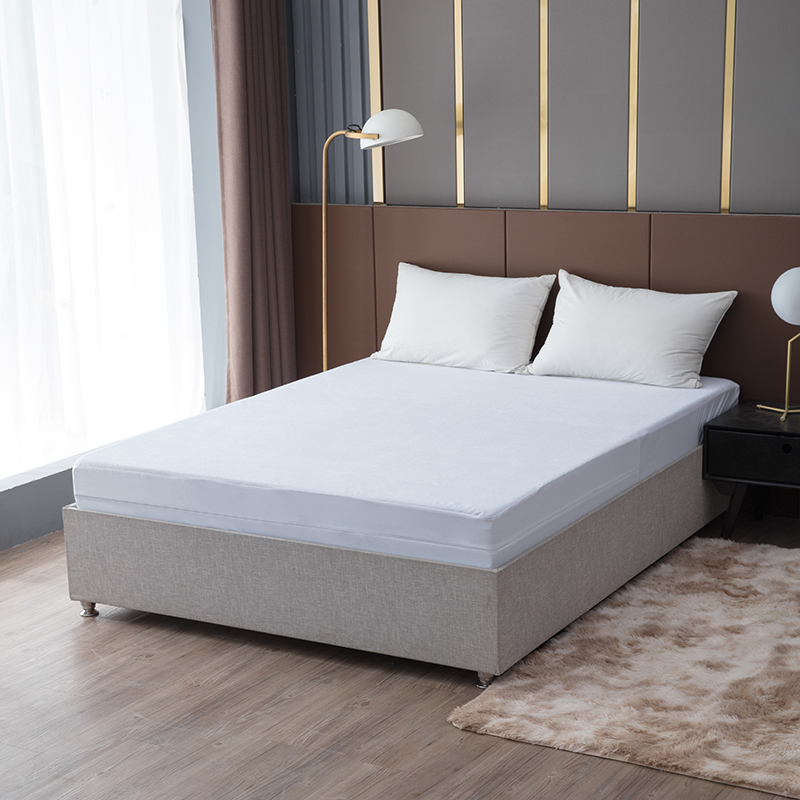
Proper sizing ensures your mattress protector remains secure without shifting, bunching, or exposing edges where liquids can seep underneath. Standard sizes like twin, full, queen, and king should match your mattress dimensions precisely, but buyers often overlook depth requirements. A mattress protector designed for standard 12-inch-deep mattresses may not fit pillow-top or euro-top models that exceed typical depth measurements. Zipper closures provide maximum security and ease of removal for cleaning, while fitted-sheet-style designs offer simplicity but less containment reliability. The closure mechanism you select impacts both protection effectiveness and daily convenience, particularly when removing the mattress protector for washing or when making beds. Evaluating your household's specific mattress type and configuration prevents frustrating fit issues after purchase.
Longevity and Washing Procedures
Durability depends on both material quality and how properly you maintain your mattress protector through recommended washing protocols. Quality mattress protector products withstand 100–300 wash cycles without degrading waterproof integrity or losing structural stability. Buyers should verify maximum water temperature, detergent restrictions, and drying methods before purchase to ensure your household routine aligns with care requirements. Some products prohibit heat drying entirely, requiring line drying that extends cleaning cycles to 24–48 hours. Others tolerate machine drying at low temperatures, offering greater convenience. Warranty coverage typically spans 5–10 years and should explicitly state whether manufacturing defects in waterproofing or structural integrity are covered. Reading warranty terms carefully reveals whether real-world damage from accidents or improper care receives compensation or whether coverage remains limited to manufacturing failures.
Additional Protective Capabilities and Value Factors
Allergen and Dust Mite Prevention
Beyond liquid protection, many quality mattress protector products incorporate specialized features targeting dust mites, allergens, and microorganisms that accumulate in untreated mattresses. Certification against dust mites demonstrates that the fabric weave and treatment chemicals inhibit colonization of these microscopic pests. For households with members suffering from asthma or allergies, this capability provides substantial health value that justifies premium pricing. Bamboo-based materials naturally resist dust mite attraction compared to synthetic alternatives, offering passive protection without chemical treatments. Some mattress protector products combine mechanical barriers with antimicrobial treatments that further reduce bacterial growth. Evaluating these secondary capabilities helps align your purchase with health priorities beyond basic waterproofing alone.
Noise Level and Feel During Use
Certain waterproofing technologies create crinkling sounds or plastic-like textures that disturb sleep quality or feel unpleasant against skin. Quality mattress protector engineering minimizes noise through soft surface materials and multi-layer construction that absorbs sound without sacrificing protection. Buyers should specifically seek customer reviews mentioning noise levels, especially if you or your partner are light sleepers sensitive to rustling or artificial textures. The mattress protector experience should feel seamless and natural rather than reminding you of a plastic sheet covering your bed. This seemingly minor detail significantly impacts nightly satisfaction and whether you'll actually use your protection investment consistently over years of ownership.
FAQ
What makes a mattress protector truly waterproof versus just water resistant?
A fully waterproof mattress protector uses sealed barrier layers and reinforced seams that prevent any liquid penetration under normal household conditions, including complete spills over the entire surface. Water-resistant products allow limited liquid contact before saturation occurs, offering basic splash protection rather than comprehensive defense. True waterproofing requires multi-layer construction with properly sealed zipper lines, typically verified through standardized testing protocols that simulate real-world spill scenarios.
How often should I wash my mattress protector and will frequent washing reduce its effectiveness?
Quality mattress protector products tolerate monthly to quarterly washing without degradation, though washing frequency depends on household needs and product specifications. Frequent washing following proper care instructions should not reduce waterproof integrity if you avoid excessive heat, harsh detergents, and improper drying methods. Always consult manufacturer guidelines before establishing your cleaning schedule to maximize longevity while maintaining protection effectiveness.
Can a mattress protector help with allergies and dust mites?
Yes, a well-designed mattress protector creates a physical barrier preventing dust mites and allergens from entering your mattress where they accumulate and trigger allergic responses. Natural materials like bamboo terry provide additional inherent resistance to dust mite colonization. For allergy sufferers, combining mattress protector use with regular washing creates a comprehensive defense against airborne allergens and microscopic irritants.
