 EN


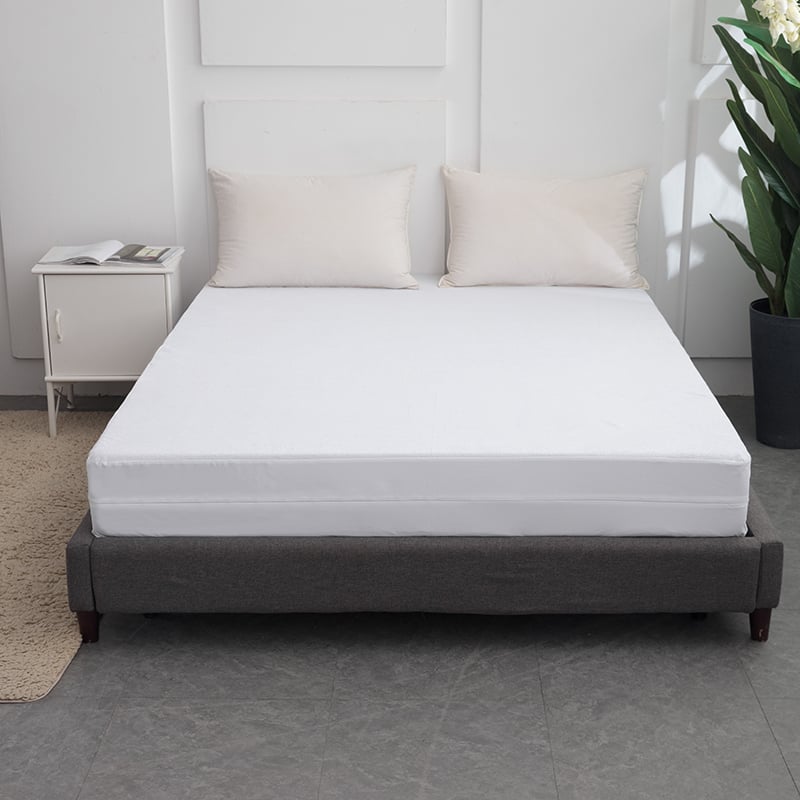
Hotel operators face one of their largest operational expenses in the form of mattress replacement costs. A single quality mattress can cost hundreds to thousands of dollars, yet many hotels replace them prematurely due to stains, wear, and damage that could have been prevented. Implementing a mattress protector is a strategic investment that directly addresses this challenge by creating a protective barrier between guests and the mattress core.
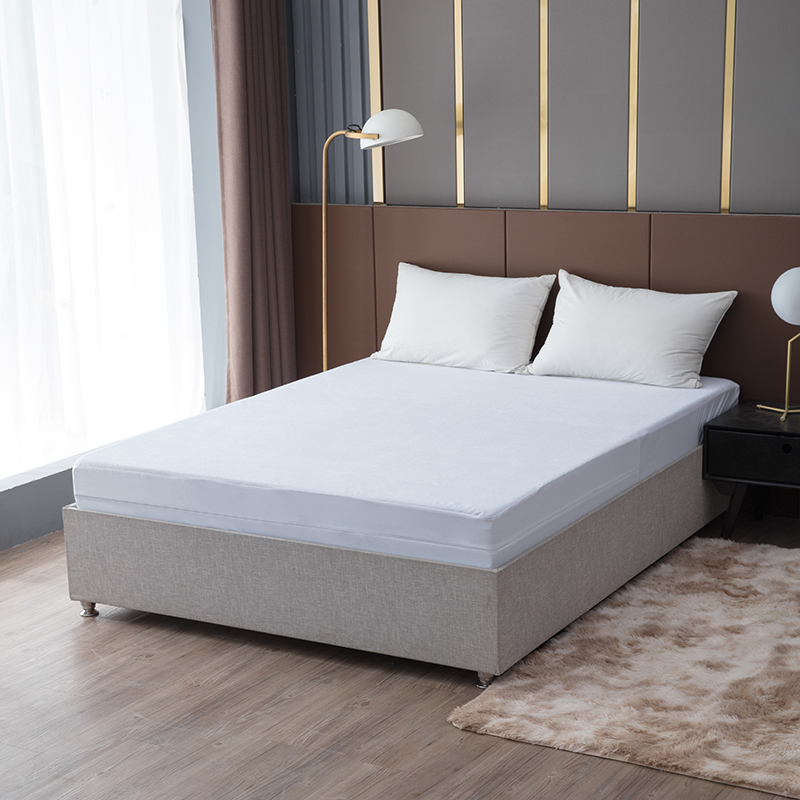
Hotels that adopt comprehensive bedding protection strategies report significant reductions in maintenance budgets and extended asset lifecycles. The economics are straightforward: investing in a quality mattress protector costs a fraction of replacing a mattress, yet prevents the exact damage scenarios that trigger expensive replacements. This article explores how hospitality properties can leverage mattress protection technology to optimize their bottom line while maintaining guest satisfaction and hygiene standards.
Understanding Mattress Damage Costs in Hospitality
The Financial Impact of Mattress Replacement
Hotels typically depreciate mattresses over seven to ten years, but guest-related damage often forces premature replacement well before the end of useful life. Liquids, stains, allergens, and physical wear accumulate rapidly in high-turnover environments. Each replacement requires not only the mattress cost itself but also labor for removal, disposal fees, and downtime during bed turnover. For a mid-size hotel with 100 rooms, unexpected mattress replacements can easily exceed five figures annually.
The true cost extends beyond the purchase price. When a mattress must be replaced mid-cycle, hotels face emergency ordering, expedited shipping, and potential gaps in room availability. Guest complaints about mattress condition also damage reputation and reduce online ratings, which compounds the financial loss through lower booking rates. Understanding these interconnected costs helps hotel managers recognize that a mattress protector is not an added expense but a cost-prevention tool.
Common Damage Scenarios Protected Against
The primary threats to mattress longevity include liquid spills, biological contamination, dust mite accumulation, and physical deterioration from heavy use. A waterproof mattress protector serves as the frontline defense against all these scenarios. Spilled beverages, accidents, and bathroom-related incidents are common in hotels, and without protection, liquids penetrate the mattress surface where they promote mold, mildew, and permanent staining. Dust mites and allergens colonize unprotected mattress surfaces, which triggers guest health complaints and requires frequent deep cleaning or replacement.
Physical wear from guests jumping, sitting on edges, and general use degrades unprotected mattress surfaces more rapidly. A quality mattress protector absorbs this friction and wear, preserving the underlying mattress structure and integrity. Bodily fluids, which are inevitable in hospitality settings, present hygiene risks and staining that a protector effectively isolates. Hotels that understand these damage vectors recognize that a mattress protector is essential infrastructure rather than optional bedding.
How Mattress Protectors Extend Asset Life
Creating a Barrier Between Guests and Mattress Core
A mattress protector works by establishing a physical and chemical barrier that prevents contaminants from reaching the mattress fill and structure. Waterproof materials ensure that liquids bead and drain away rather than absorbing into foam or inner springs. This single feature eliminates the majority of premature mattress failure scenarios. Hotels can safely wash or replace the protector as needed, which is dramatically cheaper than replacing the entire mattress. The protector becomes the consumable layer, while the mattress itself remains protected and functional for its designed lifespan.
Premium mattress protectors feature zippered designs that fully encase the mattress, offering comprehensive protection from all angles including the bottom and sides. This approach prevents any guest-side contamination from compromising the core structure. Because the protector is removable and washable, hotels can reset hygiene standards between guests without purchasing new mattresses. The protector also provides a thermal and tactile barrier that many guests prefer, which can actually improve satisfaction ratings.
Maintenance Simplification and Hygiene Control
Cleaning and maintaining a protected mattress is simplified significantly compared to treating stains on exposed surfaces. Standard laundering removes the protector for hot water washing, which eliminates bacteria, allergens, and odors completely. This process is repeatable unlimited times without degrading the mattress underneath. Hotels can implement rigorous hygiene protocols for every turnover without accelerating mattress replacement cycles. The mattress protector essentially allows hotels to reset the hygiene baseline after each guest, which aligns with modern expectations for cleanliness and health safety.
Unprotected mattresses accumulate biological contaminants over time that no amount of surface cleaning can fully address. Deep cleaning treatments are expensive, often ineffective, and can damage the mattress structure. A protected mattress avoids these problems entirely. Hotels that switch to protected mattresses report fewer guest complaints about bedding condition and reduced incidents of allergic reactions or illness attributed to bedding. This improvement in guest experience is a secondary benefit that often justifies the mattress protector investment independently of cost savings.
Calculating ROI and Long-Term Savings
Break-Even Analysis for Hotel Operators
The financial logic of mattress protectors is compelling when examined quantitatively. A quality mattress protector costs typically between fifty and two hundred dollars per unit, depending on material quality and features. A single replacement mattress costs between three hundred and three thousand dollars. The ROI is achieved when the protector prevents even one mattress replacement, which happens within the first year for most hotels. Hotels that experience multiple incident-related replacements annually will see payback within months rather than years.
Consider a hotel with one hundred rooms that replaces an average of three mattresses monthly due to damage. At eight hundred dollars per mattress, this represents twenty-eight thousand dollars in annual replacement costs. Installing protective covers at one hundred dollars each across all rooms requires a ten-thousand-dollar initial investment, but if the protector reduces replacements by just thirty percent, the hotel recovers that investment in under six months and saves nineteen thousand dollars annually thereafter. The payback period is rapid, and the ongoing savings compound year after year as protected mattresses continue functioning beyond their expected replacement cycles.
Long-Term Asset Value Preservation
Beyond annual savings, hotels that protect their mattress inventory preserve the asset base itself. Mattresses that reach their design lifespan while still in functional condition provide maximum value extraction. Without protection, mattresses fail prematurely and reach disposal long before their useful life ends, which represents pure loss. Protected mattresses can be confidently scheduled for replacement at planned intervals based on performance data rather than reactive damage incidents. This predictability allows budget planning and spreads replacement costs evenly across fiscal years rather than creating emergency expenses.
Hotels that maintain higher mattress quality and condition also command better guest ratings and justify premium pricing for rooms. The investment in mattress protectors often correlates with higher occupancy rates and improved revenue per available room because guests perceive and value clean, well-maintained bedding. The compound effect of extended mattress life, reduced emergency replacements, improved guest satisfaction, and operational predictability makes mattress protectors one of the highest-ROI investments available to hotel operators.
FAQ
What type of mattress protector is best for hotel environments?
Waterproof mattress protectors with zippered encasement designs offer the most comprehensive protection for hotels. Zipper-style protectors fully encase the mattress and prevent any side or bottom contamination, while waterproof materials ensure that liquids cannot penetrate. Materials like bamboo terry blends offer breathability, moisture-wicking, and comfort while maintaining waterproof barriers. These features balance guest comfort with maximum protection and durability for high-volume laundry cycles typical in hospitality operations.
How often should hotel mattress protectors be replaced?
High-quality mattress protectors withstand hundreds of wash cycles and typically last three to five years with proper care in hotel environments. Regular inspection for tears, pilling, or waterproof coating degradation determines replacement timing. Hotels should budget for protector replacement as part of routine maintenance rather than viewing it as permanent infrastructure. Replacing a worn protector is still significantly less expensive than replacing a mattress, and frequent replacement of protectors is preferable because it resets hygiene standards completely and maintains optimal guest experience.
Can mattress protectors accommodate different mattress sizes and types?
Yes, quality mattress protectors are available in all standard hotel mattress sizes including twin, full, queen, and king. They accommodate various mattress depths, from standard to pillow-top designs. When selecting protectors, hotels should ensure proper fit to prevent shifting or gaps that reduce protection effectiveness. Investing in the correct size and type for each room's mattress ensures maximum ROI and guest satisfaction. Specialty protectors for unusual mattress configurations or depths may require special ordering but are available from most quality suppliers.
