 EN

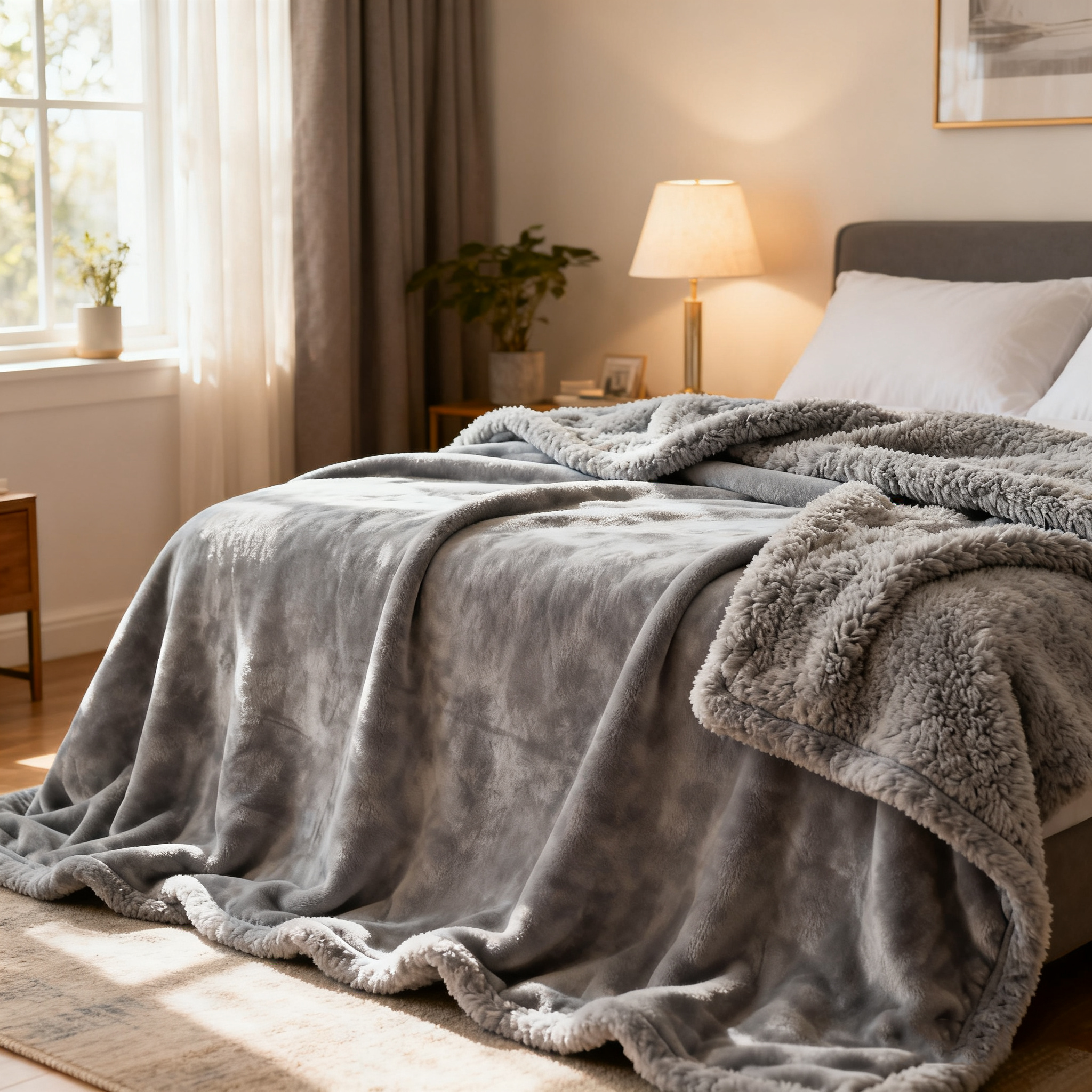
Bedding brands operate in a competitive market where differentiation depends on offering superior product quality and tailored solutions that meet evolving consumer demands. OEM suppliers play a critical role in this ecosystem by providing customized mattress protector solutions that align with each brand's unique positioning, price point, and customer expectations. Understanding how to effectively customize these products is essential for OEM suppliers seeking to strengthen partnerships with bedding brands and capture greater market share in the global home textile industry.
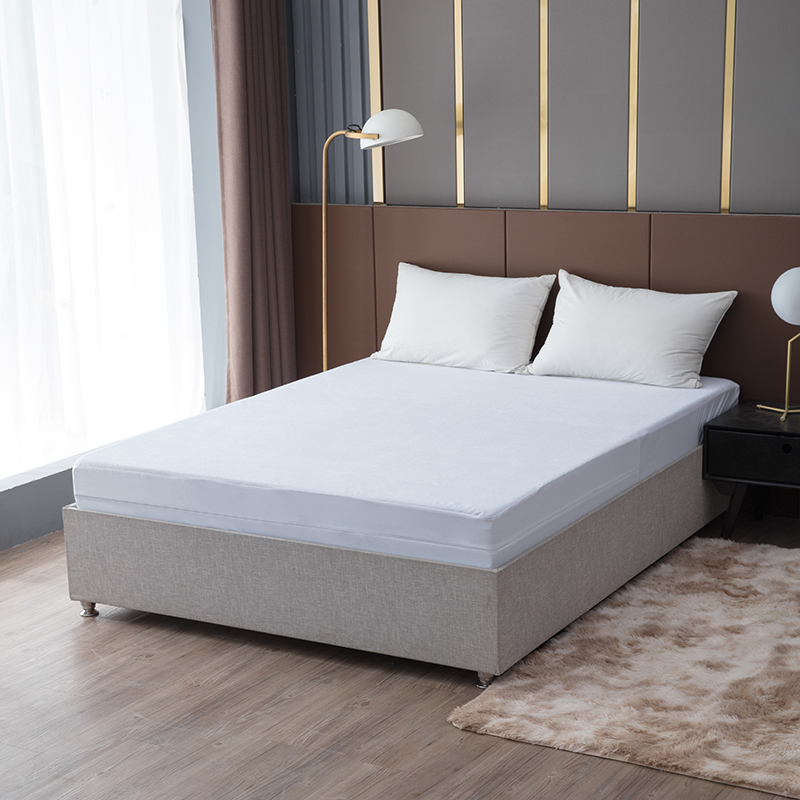
The customization process for mattress protector solutions extends far beyond selecting a standard product from a catalog. It requires deep collaboration between OEM suppliers and bedding brands to define functional requirements, aesthetic preferences, material specifications, and production volumes. This article explores the key strategies and considerations that enable OEM suppliers to deliver highly differentiated mattress protector offerings that drive brand loyalty and profitability for their retail partners.
Understanding Brand Requirements for Mattress Protector Customization
Defining Market Positioning and Target Consumer
Every bedding brand occupies a specific position within the market, ranging from budget-conscious retailers to premium luxury segments. OEM suppliers must first understand where each brand aims to compete and what consumer segments they target. A luxury bedding brand may require premium mattress protector solutions with advanced moisture-wicking properties, sophisticated design aesthetics, and eco-friendly materials, while a value-focused retailer might prioritize cost efficiency and basic waterproof functionality. This understanding shapes every downstream decision regarding material selection, construction methods, and feature sets for the mattress protector.
Identifying Functional and Aesthetic Requirements
Functional requirements for mattress protector products vary dramatically based on brand strategy and consumer pain points. Some brands emphasize waterproof mattress protector capabilities to prevent liquid damage, while others focus on allergen protection, temperature regulation, or noise reduction. OEM suppliers must conduct detailed discovery conversations to understand which features drive purchasing decisions for each brand's customer base. Aesthetic requirements—including color palettes, fabric textures, seam designs, and labeling preferences—must also align with the brand's visual identity and communicate quality positioning at retail. A well-executed mattress protector solution balances functional performance with visual appeal that enhances the overall bedding presentation.
Material Selection and Technical Specifications
Choosing Fabric Compositions for Performance and Comfort
The fabric composition of a mattress protector fundamentally determines its performance characteristics, comfort profile, and durability. OEM suppliers can select from various materials including polyester, cotton blends, bamboo terry, and synthetic microfiber, each offering distinct advantages. Bamboo-based mattress protector fabrics deliver exceptional softness, breathability, and moisture management, making them ideal for premium brands targeting comfort-conscious consumers. Polyester blends offer cost-effective durability and easy care properties suitable for value-oriented retailers. OEM suppliers must balance material costs against the desired performance profile and ensure that fabric selection aligns with the brand's price positioning and sustainability commitments.
Waterproof and Barrier Technologies
Waterproof technology integration represents a critical differentiation point for mattress protector products. OEM suppliers can implement various barrier solutions, including TPU lamination, vinyl backing, or advanced membrane technologies that provide liquid protection while maintaining breathability. The choice of waterproof mattress protector technology affects both manufacturing complexity and end-user experience. Some consumers prefer fully waterproof, noise-free protection, while others prioritize maximum breathability even if complete impermeability is reduced. OEM suppliers must guide brands toward technology selections that match consumer expectations, climate conditions in target markets, and competitive positioning within the mattress protector category.
Production Customization and Quality Control Strategies
Construction Methods and Design Features
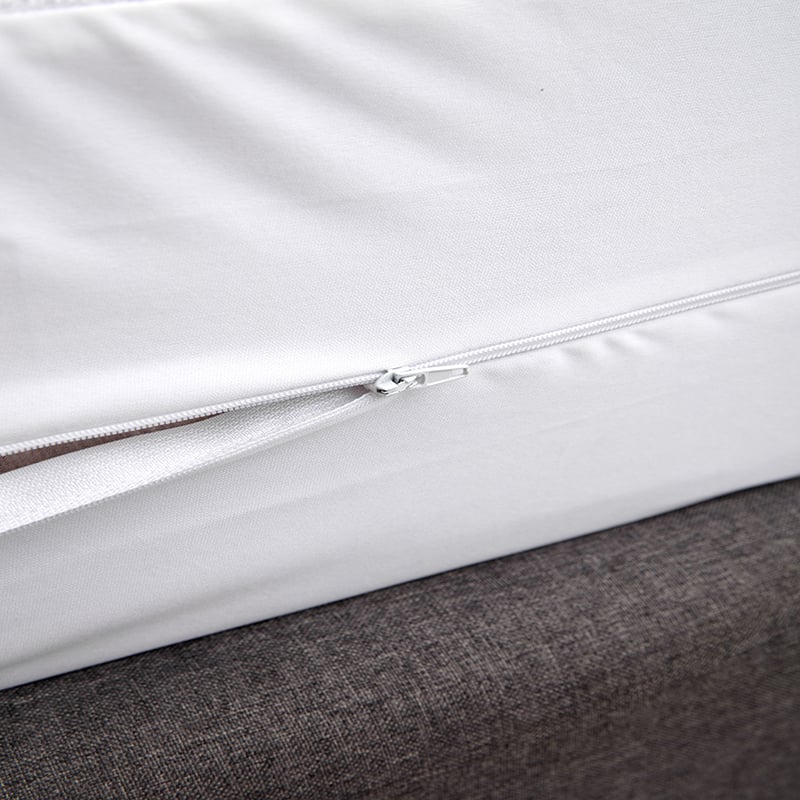
The construction methodology for mattress protector solutions determines durability, functionality, and production efficiency. OEM suppliers offer various construction options including quilted designs, flat panels, stretch panels, and corner pocket variations that accommodate different mattress dimensions and aesthetic preferences. A zippered mattress protector design appeals to brands targeting convenience-conscious consumers willing to pay premium prices, while envelope-style options serve price-sensitive segments. Corner pocket configurations, elastic band systems, and overlap designs each present distinct advantages for specific use cases and brand positioning. OEM suppliers should collaborate with brands to select construction methods that optimize production efficiency while delivering the feature set that drives consumer satisfaction and repeat purchases.
Quality Assurance and Testing Protocols
Delivering customized mattress protector solutions requires rigorous quality control protocols that verify performance across multiple dimensions. OEM suppliers must implement comprehensive testing for waterproofing integrity, seam strength, fabric durability, dimensional accuracy, and colorfastness. Testing should simulate real-world usage scenarios including machine washing, drying, and extended exposure to moisture and temperature variations. Documentation of test results and compliance certifications builds confidence with retail partners and protects brand reputation. A reliable mattress protector solution undergoes extensive validation before production launch, ensuring that every unit delivered meets or exceeds the brand's quality standards and consumer expectations.
FAQ
What are the main customization options available for mattress protector solutions?
OEM suppliers offer extensive customization options for mattress protector products, including fabric composition selection, waterproof technology integration, construction methods, color and design customization, size variations, and feature additions like zippers or allergen barriers. Brands can specify exact material blends, corner pocket configurations, seam placements, and labeling requirements to create unique mattress protector offerings that differentiate from competitors and align with brand positioning.
How do OEM suppliers balance cost efficiency with premium mattress protector quality?
OEM suppliers manage the cost-quality balance by selecting appropriate material grades and construction methods that match each brand's price positioning. Strategic material sourcing, optimized production processes, and volume-based efficiencies enable suppliers to deliver value-oriented mattress protector solutions at competitive prices, while maintaining quality standards that satisfy consumer expectations and protect brand reputation over time.
What timeline and minimum order quantities are typical for customized mattress protector production?
Customized mattress protector production timelines and minimum order quantities vary based on complexity, material availability, and OEM supplier capacity. Typically, brands should expect 60 to 120 days for product development and initial production runs, with minimum orders ranging from 500 to 5,000 units depending on customization scope. OEM suppliers often offer more favorable terms for larger volumes, making forecasting accuracy important for bedding brands seeking to optimize their mattress protector inventory and cash flow.
