 EN

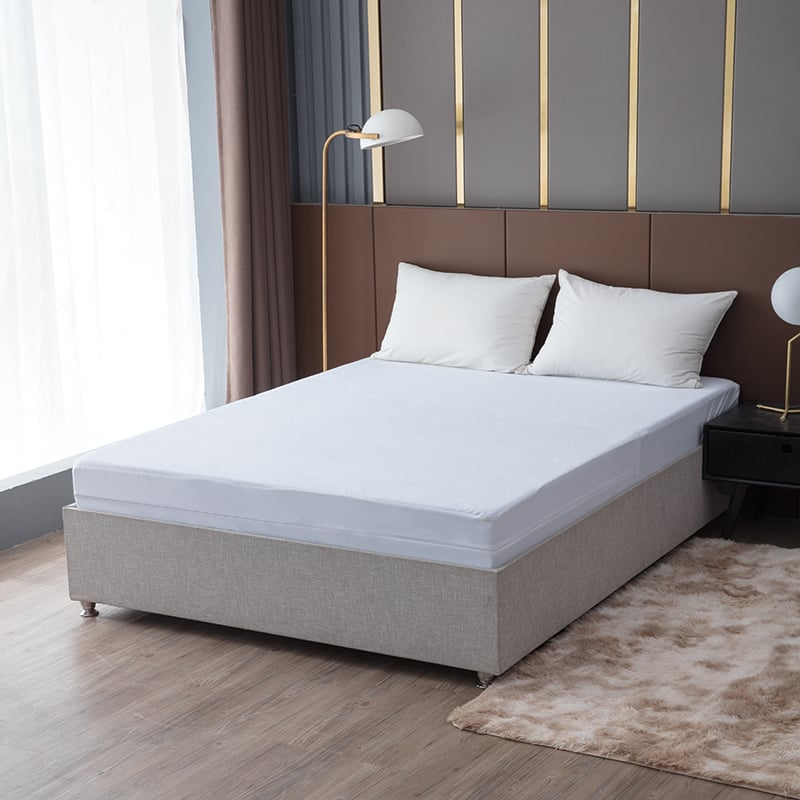
OEM suppliers operating in the bedding industry face a critical challenge: how to design and produce mattress encasement solutions that meet the diverse regulatory, climate, and consumer expectations across different markets. Customizing mattress encasement is not simply a matter of applying the same design globally. Instead, it requires strategic planning, material sourcing, and engineering adjustments tailored to each target region.
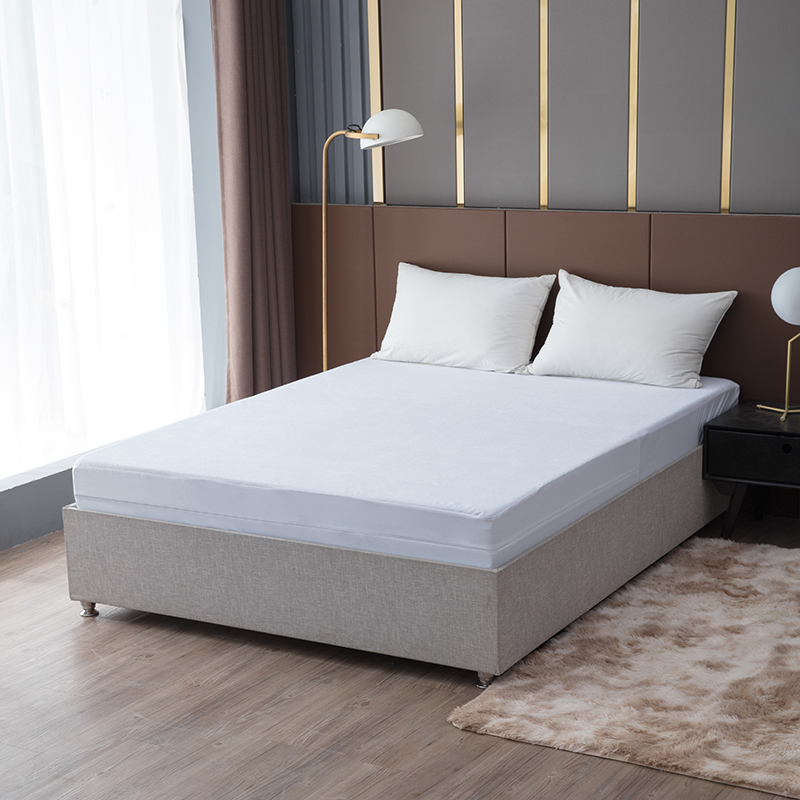
Understanding market-specific requirements for mattress encasement customization enables OEM suppliers to expand their competitive advantage, reduce production waste, and deliver products that resonate with local buyers. This approach encompasses fabric selection, barrier technology, zipper systems, dimensional specifications, and certification pathways that vary significantly by geography and end-use segment.
Understanding Regional Market Requirements for Mattress Encasement
Climate and Environmental Factors Shaping Design
Climate conditions directly influence mattress encasement material composition and performance specifications. Tropical and humid regions require breathable yet moisture-resistant fabrics to prevent mold growth and dust mite proliferation, whereas cold, dry climates prioritize thermal regulation and durability. OEM suppliers must assess humidity levels, temperature fluctuations, and seasonal variations when engineering mattress encasement for different markets. High-humidity zones demand enhanced waterproof barriers and antimicrobial coatings, while temperate regions may prioritize cotton-rich blends for comfort and allergen control.
Consumer Preferences and Market Positioning
Consumer expectations for mattress encasement vary dramatically across markets based on cultural values, health awareness, and budget constraints. North American and European markets increasingly demand hypoallergenic mattress encasement with certified organic or sustainable material options. Asian markets often emphasize waterproof protection and antibacterial features, reflecting different consumer priorities. Understanding these preferences allows OEM suppliers to position mattress encasement variants that address local pain points, whether that means premium hypoallergenic options, ultra-durable industrial-grade covers, or eco-friendly bamboo-based encasements.
Material Selection and Technical Specifications
Fabric Composition and Performance Standards
Selecting the correct fabric for mattress encasement is fundamental to meeting regional standards and consumer expectations. OEM suppliers source materials ranging from polyester microfiber to organic cotton blends, each offering different breathability, durability, and cost profiles. Mattress encasement fabrics must balance softness with tear resistance, especially in commercial or hospitality applications where frequent washing and handling occur. Barrier technologies embedded within the fabric—such as polyurethane membranes or microporous layers—determine waterproof performance while maintaining breathability. Regional certifications influence fabric choice; European markets often mandate OEKO-TEX compliance for mattress encasement, while other regions prioritize specific moisture vapor transmission rates or fire retardant properties.
Zipper Systems and Closure Mechanisms
The zipper system represents both a functional component and a durability focal point in mattress encasement design. OEM suppliers choose between nylon coil zippers, metal zippers, or plastic separating zippers based on target market expectations and maintenance protocols. Regions with frequent industrial laundering prefer heavy-duty metal zippers or reinforced nylon systems that withstand repeated cycles. Consumer markets in developed regions often expect smooth, quiet zippers with anti-slip features. Customizing the zipper placement, slider type, and pull-tab design allows OEM suppliers to differentiate mattress encasement offerings while managing production complexity and cost. Some markets require specific closure certifications for child safety, influencing zipper specification decisions.
Regulatory Compliance and Certification Pathways
International Standards and Mandatory Certifications
Compliance with regional regulations fundamentally shapes mattress encasement customization strategies for OEM suppliers. The European Union enforces strict fire safety standards (BS 7177, EN 1537) that significantly impact mattress encasement material selection and construction. North American markets require compliance with CPSC regulations and flammability testing standards. Asian markets impose their own safety thresholds and material restrictions. OEM suppliers must navigate these divergent requirements by developing modular mattress encasement designs that share core technology but incorporate region-specific materials and construction methods. Third-party testing and certification bodies validate compliance, adding cost but ensuring market access and consumer trust.
Documentation and Supply Chain Alignment
Managing regulatory documentation across multiple markets requires robust supply chain coordination and quality assurance protocols. OEM suppliers must maintain separate bill-of-materials records for each mattress encasement variant, track material certifications from suppliers, and maintain test reports for each regional version. This documentation complexity increases overhead but prevents costly market rejection or regulatory fines. Establishing relationships with regional certification bodies and maintaining clear communication with material suppliers ensures that mattress encasement customization remains compliant as standards evolve. Many OEM suppliers employ dedicated regulatory compliance teams to manage this landscape and ensure timely market entry.
Implementation Strategies for Successful Customization
Design Flexibility and Modular Production
Successful OEM suppliers adopt modular approaches to mattress encasement customization, allowing core components to serve multiple market variants while specific elements remain adaptable. This strategy reduces tooling costs, minimizes inventory complexity, and accelerates time-to-market for new regional offerings. A base mattress encasement construction might remain consistent globally, while fabric sourcing, zipper specifications, and labeling adapt to regional requirements. This flexibility enables OEM suppliers to respond rapidly to market feedback, test new material combinations, or expand into adjacent markets without complete redesign. Investment in scalable manufacturing infrastructure supports this modularity, allowing production lines to switch between variants efficiently.
Testing, Validation, and Continuous Improvement
Rigorous testing validates that customized mattress encasement meets both explicit regulatory standards and implicit consumer expectations. OEM suppliers conduct durability testing, waterproof verification, allergen assessment, and comfort evaluations for each regional variant before full-scale production. Performance data collected from early-market production batches informs continuous improvement cycles, allowing suppliers to refine mattress encasement designs based on real-world feedback. This validation process builds brand reputation and reduces warranty claims, protecting long-term profitability and customer relationships across diverse markets.
FAQ
What factors should OEM suppliers prioritize when customizing mattress encasement for new markets?
OEM suppliers should prioritize understanding local climate conditions, consumer health preferences, regulatory requirements, and competitive positioning when customizing mattress encasement. Start by researching regional certification standards, material restrictions, and dominant customer pain points. Engage with local distributors and end-users to validate assumptions about performance requirements and feature priorities. This market intelligence directly shapes material selection, technical specifications, and pricing strategy for mattress encasement offerings.
How do regulatory differences impact mattress encasement customization costs?
Regulatory differences significantly increase mattress encasement customization costs through material sourcing, testing, certification, and documentation requirements. Fire-retardant fabric specifications, durability standards, and chemical restrictions vary by region, requiring separate sourcing, testing, and inventory management for each mattress encasement variant. Third-party testing and certification fees, combined with specialized supplier relationships, add overhead. However, OEM suppliers recover these costs through premium pricing, market differentiation, and reduced rejection rates, ultimately protecting profitability despite higher upfront investment in mattress encasement compliance.
Can OEM suppliers use the same mattress encasement design across multiple markets?
While some core technologies can transfer across markets, using identical mattress encasement designs globally often results in regulatory non-compliance, reduced consumer appeal, or excess costs. Smart OEM suppliers adopt modular design approaches that share foundational technology while adapting fabric, zipper, safety features, and certifications to match regional requirements. This balanced strategy reduces engineering complexity and production overhead while ensuring that mattress encasement meets local expectations and regulatory thresholds, ultimately improving market success and brand consistency.
