 EN

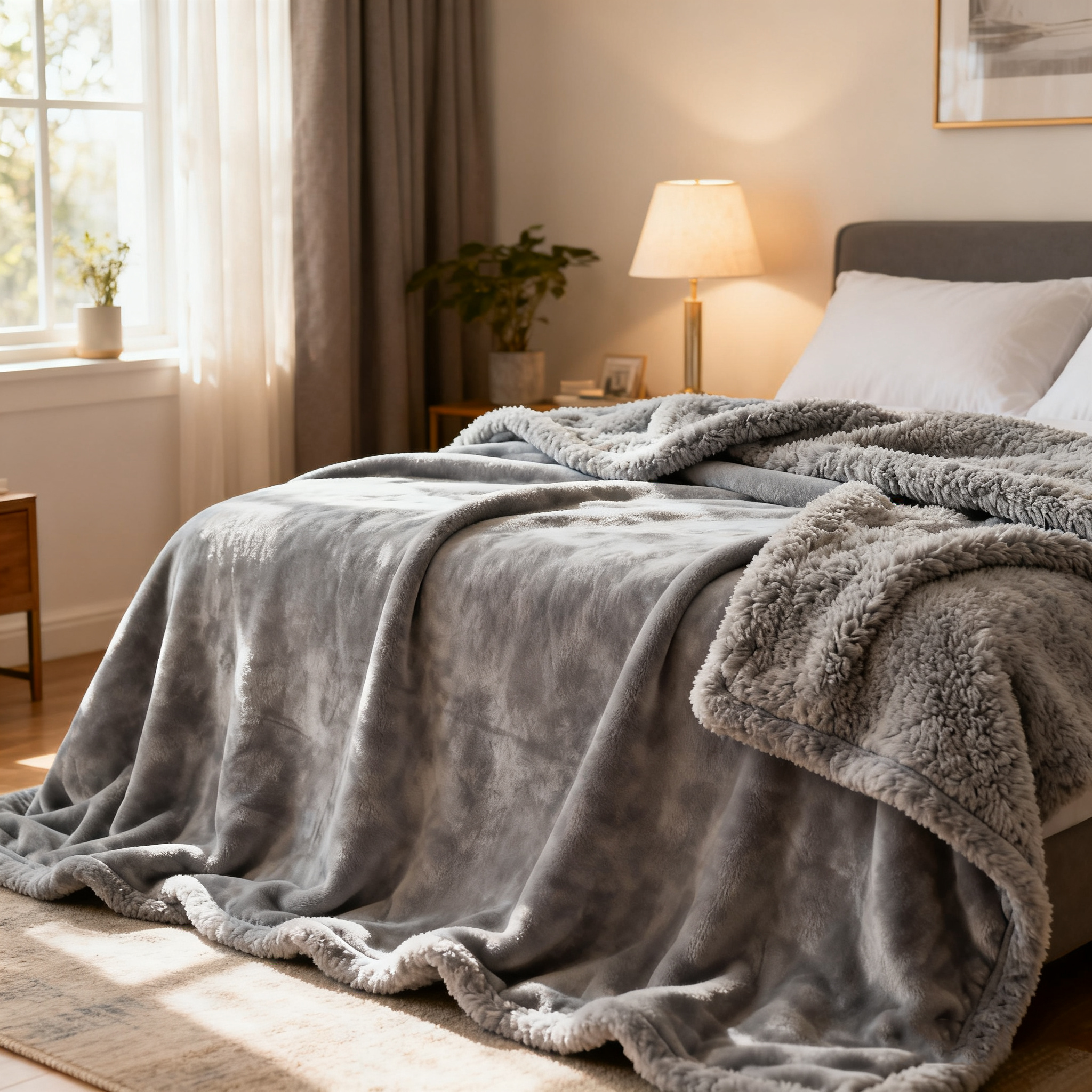
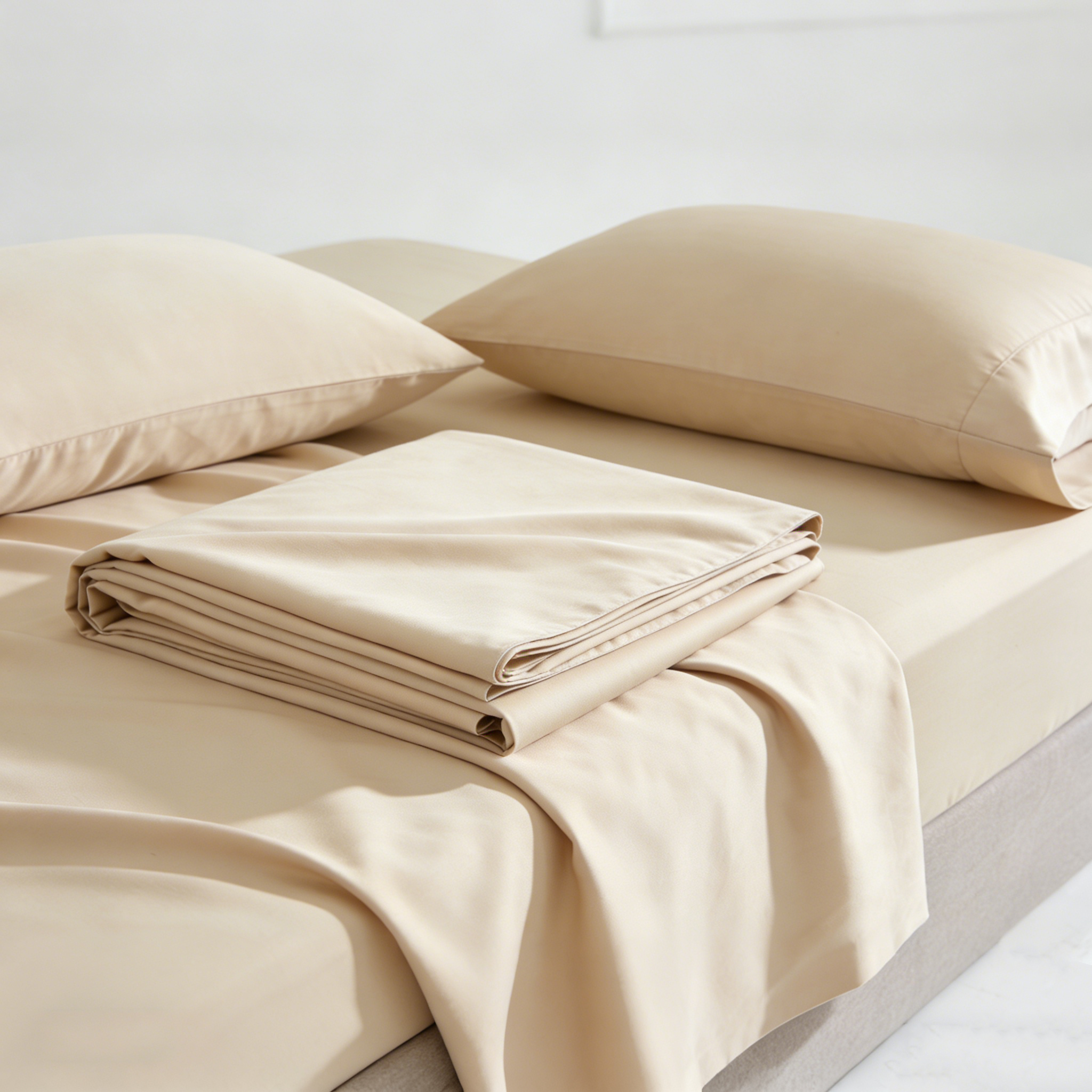
A quality bed protector serves as an essential investment for anyone seeking to enhance both sleeping comfort and long-term mattress durability. Whether you are protecting an expensive mattress investment or simply looking to improve your nightly rest, understanding how a bed protector functions can transform your sleep experience. The right bed protector acts as both a comfort layer and a protective barrier, offering benefits that extend far beyond basic mattress preservation.
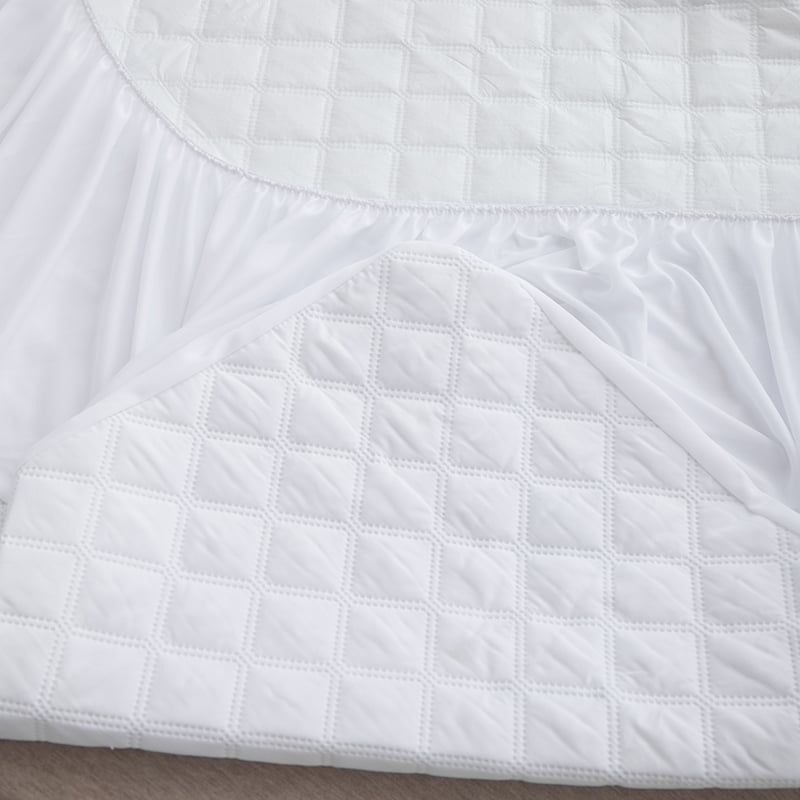
Modern bedroom design increasingly recognizes the value of layering protection and comfort. A bed protector creates a cushioned interface between you and your mattress while simultaneously guarding against moisture, dust, allergens, and wear. This dual function makes it an intelligent choice for households prioritizing both comfort optimization and equipment longevity.
Understanding Comfort Enhancement Through Protective Layering
How a Bed Protector Adds Cushioning and Comfort
A bed protector typically features quilted construction with multiple layers that provide additional cushioning without replacing the mattress itself. This extra layer creates a softer surface feel, particularly beneficial if your mattress has become firmer over time or if you prefer slightly more give beneath you. The quilted design distributes body weight more evenly across the sleeping surface, reducing pressure points and promoting better spinal alignment during sleep.
The comfort benefits of a quality bed protector extend to temperature regulation as well. Many protectors feature breathable materials that allow air circulation while maintaining warmth during colder months. This balance prevents the overheating sensation that sometimes occurs with thinner mattress covers, ensuring consistent comfort throughout the night regardless of season.
Mattress Support and Structural Integrity
Your mattress support system works more effectively when protected from accumulated dust, moisture, and degradation. A bed protector shields the underlying mattress structure from environmental factors that weaken its internal materials over time. By maintaining the mattress's structural integrity, the protector indirectly enhances overall support quality, as your mattress remains closer to its original specifications throughout its lifespan.
The protective barrier also prevents direct contact with skin oils, sweat, and bodily fluids that can degrade mattress materials. This preservation directly translates to sustained support performance, as degraded materials cannot provide consistent firmness or support. A well-maintained mattress through bed protector use maintains its support characteristics for significantly longer than an unprotected mattress.
Practical Protection Benefits Beyond Comfort
Moisture and Allergen Defense
Waterproof bed protectors serve critical functions in household health and hygiene. A quality bed protector prevents liquids from penetrating into mattress cores, where they create ideal environments for mold, mildew, and bacterial growth. This moisture resistance proves invaluable in households with children, elderly members, or pets where accidental spills and accidents occur regularly.
Allergen accumulation represents another significant concern that a bed protector addresses effectively. Dust mites, their waste products, and other common bedroom allergens settle into mattress materials without protection. A bed protector creates a barrier that dramatically reduces allergen transfer to your breathing zone, benefiting individuals with asthma, allergies, or general sensitivity to dust particles.
Extending Mattress Lifespan and Investment Value
The financial argument for using a bed protector becomes clear when considering replacement costs for damaged or degraded mattresses. A mid-range mattress represents a significant household expense, often ranging from several hundred to several thousand dollars. A protective layer costing a fraction of that amount can extend mattress life by years, effectively multiplying the return on your original mattress investment.
Hotels and healthcare facilities have long recognized this economic reality, routinely deploying bed protectors as standard practice. This industry-wide adoption reflects the proven cost-benefit relationship between protective bedding and total cost of ownership. Home users who implement the same strategy enjoy similar economic advantages while simultaneously improving personal comfort and sleep quality.
Selecting and Using Your Bed Protector Effectively
Matching Protector Type to Your Needs
Different bed protector options serve different priorities, so matching your choice to your specific situation maximizes value. Waterproof protectors excel for households with spill risks or incontinence concerns, while breathable quilted options prioritize comfort enhancement for users primarily seeking softer sleeping surfaces. Understanding your primary motivation between protection and comfort helps guide your selection process.
Size compatibility matters significantly when choosing a bed protector. Your protector should fit your mattress dimensions precisely, ensuring complete coverage without excess bunching or movement during sleep. Proper fit maintains both the protective function and the comfort benefits, preventing gaps where moisture or allergens could compromise your mattress.
Maintenance and Optimal Performance
Proper care of your bed protector ensures sustained performance across years of use. Regular washing according to manufacturer specifications keeps the protector clean and maintains its protective properties. Most quality protectors withstand frequent laundering without degradation, making maintenance straightforward and convenient for busy households.
Positioning your protector correctly maximizes its effectiveness for both comfort and protection. The protector should lie smoothly between your mattress and your fitted sheet, creating a seamless sleeping surface without uncomfortable textures or obstructions. This layering approach keeps the protective barrier in optimal contact with the mattress while maintaining a pleasant sleeping experience.
FAQ
Does a bed protector change how my mattress feels?
A bed protector typically adds subtle cushioning that creates a slightly softer feel, though quality options are designed to minimize noticeable texture changes. Most users find this additional layer enhances comfort without dramatically altering their sleep experience. High-quality protectors maintain breathability and responsiveness, preserving the mattress's essential characteristics while adding beneficial cushioning.
How long does a bed protector typically last before needing replacement?
Quality bed protectors generally remain effective for five to ten years with proper care and regular washing. The lifespan depends on usage frequency, washing practices, and material quality. Most bed protectors outlast the practical lifespan of the mattress underneath, making them a durable long-term investment that extends across multiple mattress cycles.
Can a bed protector help with allergy-related sleep issues?
A bed protector significantly reduces dust mite accumulation and allergen transfer to your breathing zone, providing meaningful relief for allergy sufferers. By creating a barrier between you and the mattress interior where allergens accumulate, the protector reduces nighttime allergen exposure. Many individuals with dust allergies report improved sleep quality after implementing a quality bed protector as part of their bedroom hygiene routine.
