 EN

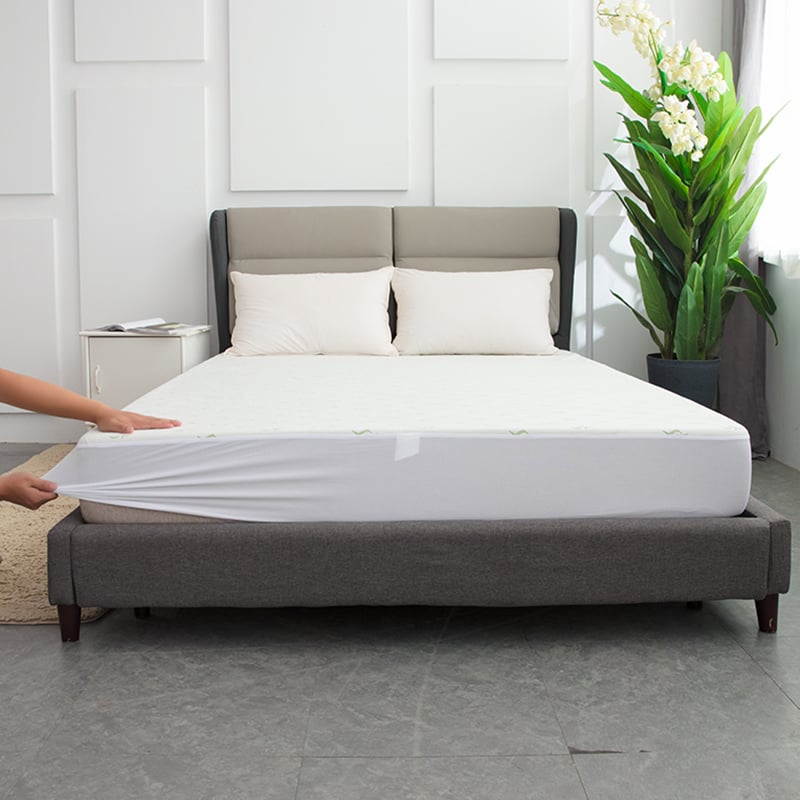
A quality mattress protector is essential for extending the life of your mattress investment and maintaining a clean, hygienic sleep surface. Modern mattress protector designs increasingly rely on TPU fabric technology to deliver superior performance compared to older synthetic materials. TPU, or thermoplastic polyurethane, represents a significant advancement in protective textile engineering, combining waterproof barriers with breathable comfort features that traditional plastic films cannot achieve. Understanding how TPU fabric transforms mattress protector functionality helps buyers make informed decisions about sleep surface protection.
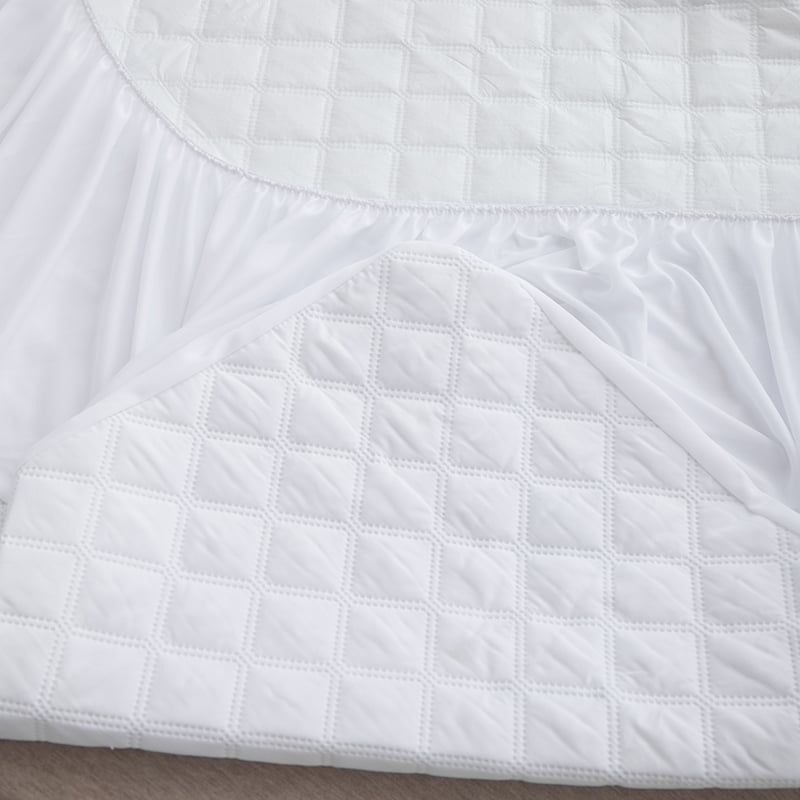
The performance characteristics of a mattress protector depend heavily on its material composition and construction. TPU fabric technology addresses longstanding challenges in the bedding protection industry by providing a solution that balances multiple performance requirements simultaneously. This advanced material enables manufacturers to create mattress protector products that protect against liquids, allergens, and dust mites while maintaining the natural breathability and comfort that sleepers expect from premium bedding.
Understanding TPU Fabric Technology
What Makes TPU Different
TPU fabric differs fundamentally from conventional waterproof materials used in mattress protector construction. Unlike rigid plastic or rubber coatings that trap moisture and heat, TPU is a flexible polymer that maintains elasticity across extended temperature ranges. This flexibility ensures that your mattress protector adapts to body contours without cracking or peeling over time. The molecular structure of TPU allows water molecules to bounce away from the surface while still permitting air circulation, a balance that traditional vinyl or polyurethane films simply cannot achieve.
Material Composition and Properties
TPU fabric consists of segmented polyurethane chains that bond to a textile base layer, creating a hybrid material with unique characteristics. The waterproof barrier in this mattress protector configuration typically measures just 0.5 to 1 millimeter thick, yet provides complete liquid protection. The breathability comes from TPU's ability to allow water vapor to pass through while blocking liquid water molecules. This distinction proves critical for sleep quality; moisture from perspiration escapes to prevent the clammy feeling associated with plastic-backed mattress protector alternatives.
Performance Advantages of TPU Mattress Protectors
Superior Waterproof Protection
A quality mattress protector with TPU fabric provides reliable defense against spills, accidents, and moisture penetration that could damage your mattress core. The waterproof barrier in TPU-based mattress protector designs stops liquids immediately upon contact, directing them toward the surface where they can be wiped away or laundered. Unlike porous cotton or polyester fabrics, TPU fabric maintains its protective seal even after repeated washing. Industry testing shows that TPU-based mattress protector materials withstand over 500 wash cycles while retaining waterproof integrity, compared to 50–100 cycles for alternative protective coatings.
Breathability and Comfort Enhancement
The mattress protector constructed with TPU fabric delivers breathability that conventional waterproof materials cannot match. Moisture-regulating properties allow body heat and perspiration vapor to dissipate naturally throughout the night. Sleepers using TPU-based mattress protector products report improved sleep quality compared to vinyl-backed alternatives, with notably reduced heat retention and sweating. This breathable performance makes the mattress protector suitable for warm climates, heated bedrooms, and individuals prone to night perspiration.
Durability and Longevity
TPU fabric in a modern mattress protector exhibits exceptional resistance to physical wear, stretching, and degradation. The material maintains its structural integrity through hundreds of wash cycles, compression from body weight, and exposure to detergents and fabric softeners. A quality mattress protector with TPU construction typically lasts 5–7 years with proper care, substantially outlasting polyurethane-coated or vinyl alternatives that degrade after 2–3 years. The elasticity of TPU means the mattress protector fitted sheet component remains snug without developing wrinkles or loose edges that compromise protective coverage.
Practical Benefits for Different Scenarios
Allergy and Dust Mite Protection
A mattress protector featuring TPU fabric creates a physical barrier that blocks dust mites, allergens, and biological contaminants from penetrating to the mattress core. The tight molecular structure of TPU prevents microscopic particles from passing through while the breathable properties allow air circulation that discourages mite proliferation. This dual-action protection makes TPU-based mattress protector designs particularly valuable for individuals with asthma, allergies, or respiratory sensitivities. Dermatological research confirms that quality mattress protector barriers reduce allergen exposure significantly compared to unprotected mattresses.
Liquid Accident Management
Spill accidents, bedwetting incidents, and moisture from illness represent common scenarios where a reliable mattress protector proves invaluable. TPU fabric enables quick cleanup because liquids bead on the surface rather than absorbing into fibers. The mattress protector can be wiped clean immediately or removed for machine washing without urgency. This performance characteristic makes TPU-constructed mattress protector products essential for households with young children, elderly individuals, or pets. The waterproof guarantee ensures that underlying mattress materials remain completely dry and protected from developing mold, mildew, or permanent staining.
Extended Mattress Lifespan
Protecting your mattress with quality TPU-based mattress protector technology directly extends how long your mattress remains usable and maintains support integrity. Mattress cores exposed to moisture, dust, and biological degradation lose resilience and comfort properties much faster than protected mattresses. A durable mattress protector preserves the original feel and support structure for years longer, making it a cost-effective investment that often saves more than its purchase price by extending mattress life. Professional cleaners and hospitality managers rely on TPU-based mattress protector solutions precisely because they dramatically reduce replacement frequency and maintain asset value.
FAQ
Can TPU fabric in a mattress protector cause allergic reactions?
TPU fabric is hypoallergenic and does not cause allergic reactions in the vast majority of users. The material contains no natural latex, formaldehyde, or common chemical irritants that trigger sensitivity responses. Quality mattress protector manufacturers use medical-grade TPU that meets stringent safety standards for direct skin contact. Individuals with extremely sensitive skin should verify that the mattress protector undergoes testing for their specific concerns, though TPU itself poses minimal allergy risk compared to alternative protective materials.
How often should you wash a mattress protector made with TPU?
A quality mattress protector with TPU fabric should be washed monthly under normal use conditions, or immediately after spills and accidents. Machine washing in cool water with gentle detergent preserves the TPU barrier integrity while removing accumulated dust and biological contaminants. The mattress protector should be line-dried rather than machine-dried to prevent heat damage to the TPU coating. This maintenance routine keeps your mattress protector performing optimally and maintains the waterproof seal indefinitely, provided you follow manufacturer care instructions specific to TPU materials.
Does TPU fabric feel different than traditional mattress protector materials?
TPU fabric feels softer and more fabric-like than vinyl or plastic-coated mattress protector alternatives, providing a more natural sleeping surface. The material does not produce the crinkling noise associated with plastic-backed mattress protector designs, nor does it feel cold or clammy against skin. Most sleepers cannot distinguish a quality TPU-based mattress protector from an unprotected mattress in terms of tactile feel. The breathable properties mean your mattress protector remains warm in winter and cool in summer, unlike traditional waterproof barriers that create thermal discomfort.
