 EN

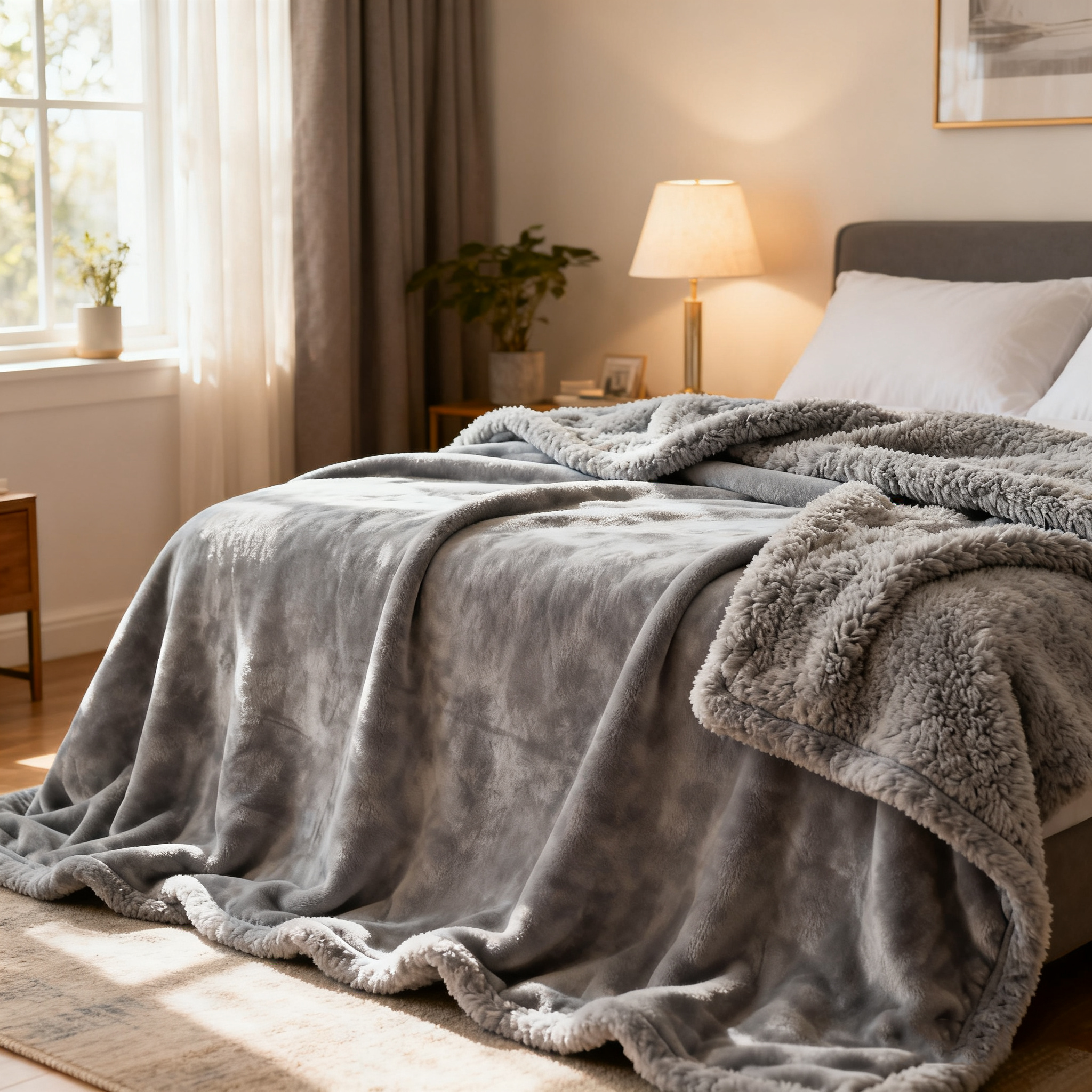
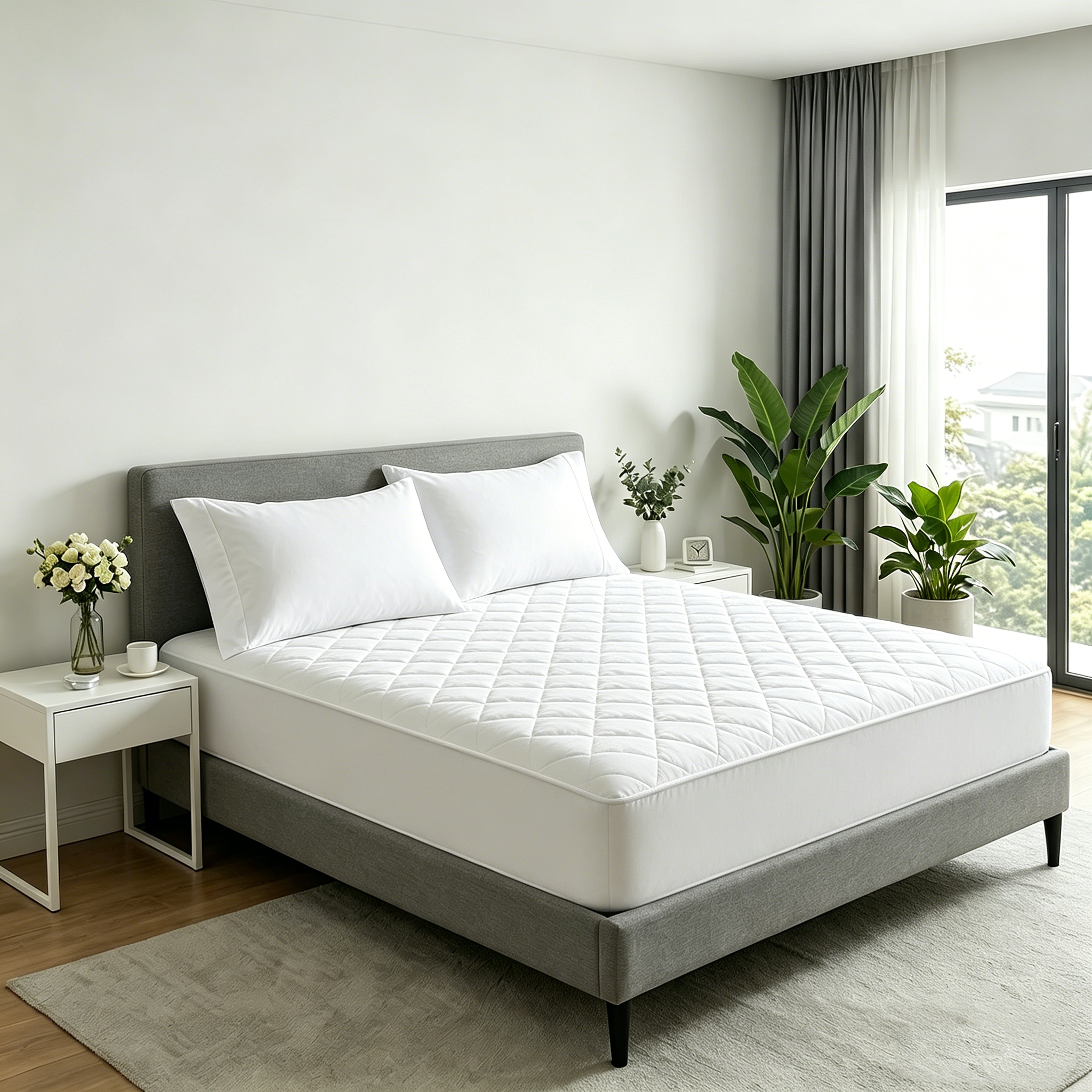
When shopping for bedding accessories, the difference between a mattress pad and a mattress protector often confuses consumers. While both products sit atop your mattress, they serve distinctly different purposes in daily use. Understanding these differences is essential for making an informed decision that aligns with your specific comfort and protection needs.
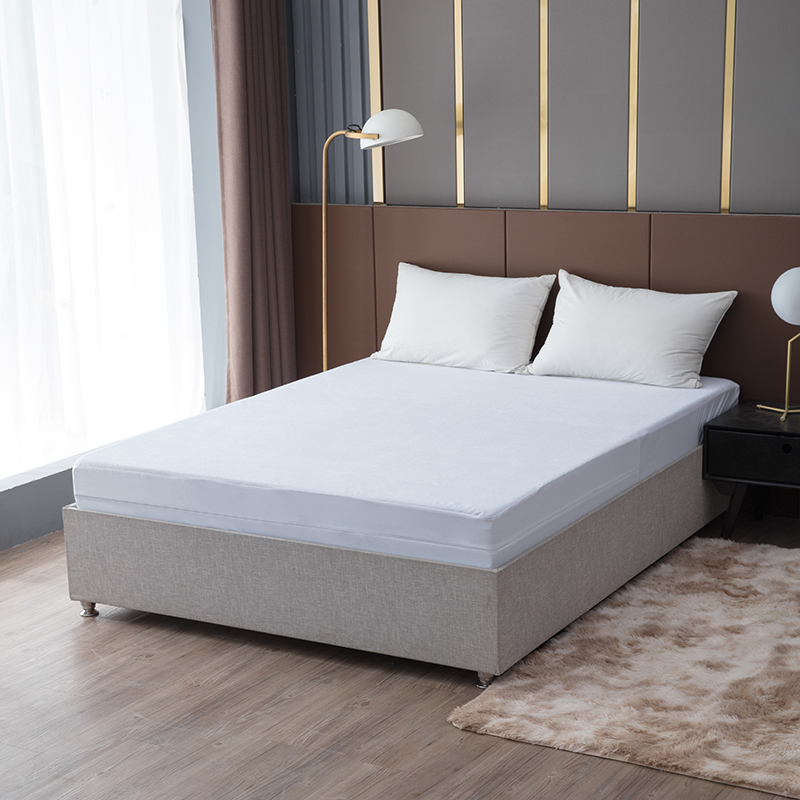
A mattress pad and mattress protector are engineered with different intentions, materials, and functions. A mattress pad focuses primarily on comfort enhancement and temperature regulation, while a mattress protector emphasizes defensive barriers against spills, allergens, dust mites, and wear. Recognizing which product addresses your primary concern ensures you select the right solution for your sleeping environment.
Primary Function and Purpose
How Mattress Pads Add Comfort
A mattress pad is fundamentally a comfort layer designed to modify the feel of your mattress. It adds softness, cushioning, and often temperature-regulating properties to your sleeping surface. Mattress pads typically contain materials such as polyester, cotton, wool, or memory foam that create a plush top layer. When you place a mattress pad on your bed, you experience an immediate change in firmness and tactile sensation during daily use, making an older or overly firm mattress feel newer and more comfortable.
The padding construction allows air circulation and moisture absorption, contributing to a more pleasant sleep environment. Many people use a mattress pad specifically to extend the comfort lifespan of an existing mattress without investing in a full replacement. This comfort-focused design makes the mattress pad particularly valuable in daily use scenarios where softness and support customization matter most.
How Mattress Protectors Provide Defense
A mattress protector, by contrast, functions as a protective barrier against environmental threats and physical damage. Protectors create a sealed or semi-sealed shield that prevents liquids, dust mites, allergens, pet dander, and body oils from penetrating your mattress core. In daily use, a mattress protector absorbs spills, stains, and moisture on its surface rather than allowing them to seep into the mattress itself, which can cause permanent damage, mold growth, and unhygienic conditions.
Quality mattress protectors use waterproof or water-resistant membranes, often combined with breathable fabrics, to provide comprehensive protection while maintaining airflow. This defensive approach means your mattress protector preserves the structural integrity and cleanliness of your mattress investment over years of daily use, preventing costly replacements and health hazards.
Material Composition and Construction
Materials in Mattress Pads
Mattress pads employ soft, comfort-oriented materials that prioritize how they feel against your skin and body during sleep. Common materials include quilted cotton, microfiber polyester, wool batting, gel-infused memory foam, and cotton-synthetic blends. These materials are chosen for their softness, breathability, and temperature-regulation properties rather than their barrier capabilities. The construction of a mattress pad emphasizes bulk and loft to create that plush, cushioned sensation, which differs fundamentally from the engineered protection approach of a mattress protector.
The quilting or stitching pattern in a mattress pad holds the padding materials in place while allowing them to shift and conform to your body during nightly use. This flexibility is desirable for comfort enhancement but offers minimal defense against liquids and contaminants.
Materials in Mattress Protectors
Mattress protectors incorporate specialized barrier fabrics engineered to repel or resist liquids and microscopic allergens. Many protectors feature a waterproof membrane, often made from polyurethane or similar polymers, laminated to breathable outer fabrics like cotton or bamboo terry cloth. This layered construction creates a physical shield that stops spills and moisture from penetrating downward into your mattress, making it indispensable for daily protection scenarios.
The outer fabric of a mattress protector is typically durable and designed for repeated washing without degrading the waterproof layer. Some advanced protectors include hypoallergenic treatments to actively block dust mites and allergens, adding another dimension of protection beyond simple water resistance. This engineered approach makes mattress protectors more effective for defensive purposes than a mattress pad could ever be.
Practical Differences in Daily Use
Comfort Impact During Sleep
In daily sleeping scenarios, a mattress pad noticeably affects how your bed feels. It alters the surface texture, adds cushioning, and influences temperature regulation throughout the night. You will feel the difference immediately when lying on a bed with a mattress pad compared to a bare mattress. Many sleepers appreciate this sensation, especially those with firm mattresses or partners who benefit from pressure relief and enhanced comfort.
A mattress protector, by design, remains relatively invisible during sleep in most cases. High-quality protectors are thin enough that you typically forget it exists once you lie down. This minimal tactile impact means a mattress protector does not alter your sleeping experience, which is intentional—it works behind the scenes in daily use without compromising the mattress feel you prefer.
Maintenance and Washing Considerations
A mattress pad requires regular washing, typically every two to four weeks in daily use. Since it sits directly beneath your bedding, it accumulates body oils, sweat, dust, and dead skin cells. Most mattress pads are machine washable on standard or gentle cycles, though some contain special materials requiring specific care. Frequent washing keeps the mattress pad hygienic and preserves its comfort properties over extended use.
A mattress protector also benefits from regular washing, but its washing frequency depends on whether spills or accidents occur. In typical daily use without incidents, washing monthly or every few months is often sufficient. The waterproof membrane and durable construction make many protectors easy to clean and long-lasting. If an accident does occur, the protector absorbs the impact and protects your mattress, requiring you to wash the protector rather than the entire mattress.
FAQ
Can I use both a mattress pad and a mattress protector together?
Yes, many people use both products simultaneously for optimal results. Placing a mattress protector directly on the mattress, then layering a mattress pad on top, provides comprehensive protection and comfort enhancement in daily use. This combination approach lets you defend your mattress investment while customizing comfort to your preference. Ensure both products are compatible in thickness and washing requirements before combining them.
Does a mattress pad offer any protection against spills?
A mattress pad provides minimal spill protection compared to a dedicated mattress protector. While some mattress pads contain moisture-absorbing materials that can initially resist light spills, they are not engineered with waterproof barriers and will eventually saturate if liquid penetrates through. In daily use, a mattress pad alone is insufficient for reliable protection against accidents, pets, or children. For serious spill protection, a waterproof mattress protector is essential.
How do I choose between a mattress pad and a mattress protector based on my needs?
Your choice depends on your primary concern. If comfort customization is your goal—softening a firm mattress or adding warmth—a mattress pad is the right choice. If protecting your mattress from liquids, allergens, dust mites, and wear is your priority, invest in a mattress protector. Households with children, pets, or allergy concerns should prioritize a protector, while those seeking comfort enhancement should prioritize a mattress pad. Ideally, using both together provides maximum protection and comfort throughout daily use.
