 EN



Selecting the right mattress pad product is a critical decision for importers looking to source quality bedding solutions for their markets. Whether you are an established importer or entering the mattress pad category for the first time, understanding the essential evaluation criteria will help you make informed purchasing decisions that align with customer expectations, regulatory requirements, and profitability goals. The mattress pad market continues to grow as consumers prioritize sleep quality and mattress protection, making supplier selection and product quality increasingly important to your business success.
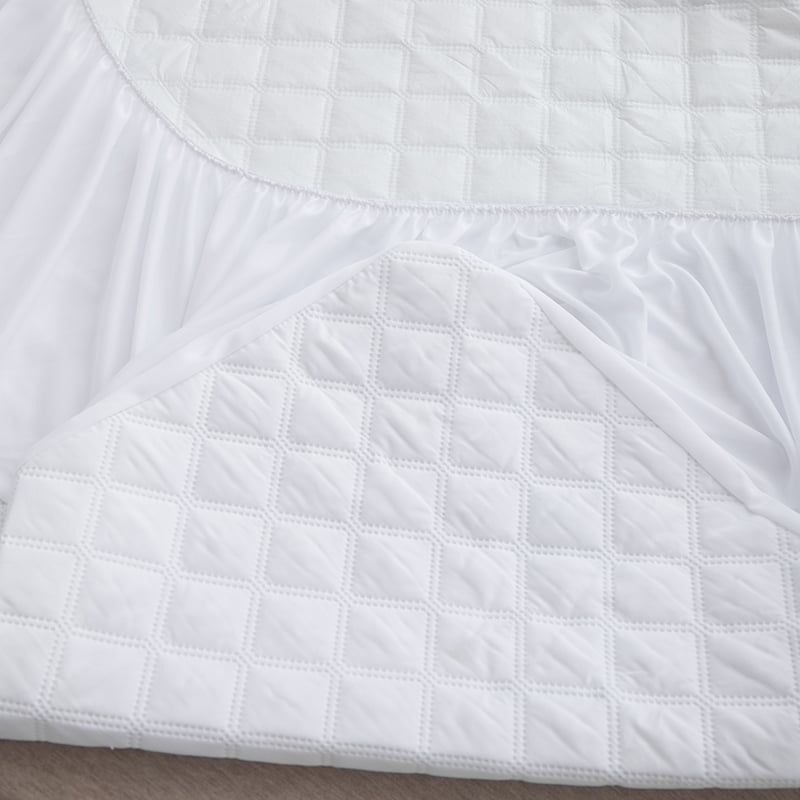
Before committing to a mattress pad supplier or placing bulk orders, importers must evaluate multiple dimensions including material quality, manufacturing standards, pricing structures, and long-term partnership potential. This comprehensive evaluation process protects your investment, ensures customer satisfaction, and builds a sustainable competitive advantage in your target market. Taking time to thoroughly assess these factors upfront prevents costly quality issues, supply chain disruptions, and damaged brand reputation later.
Material Quality and Composition Standards
Understanding Fabric and Fill Materials
The foundation of any quality mattress pad lies in its material composition. Importers should verify the exact fiber content, thread count, and fill materials used in the mattress pad construction. High-quality fabrics typically feature consistent thread counts between 300 and 600, providing durability without excessive weight. The fill material matters equally, whether the mattress pad uses polyester fiberfill, cotton blends, or specialized moisture-wicking compounds. Request samples from potential suppliers and conduct tactile assessments to confirm the material quality matches specification claims and aligns with consumer expectations in your market.
Testing for Durability and Safety
Durability testing directly impacts your mattress pad performance reputation. Ask suppliers whether their mattress pad products undergo laboratory testing for tensile strength, seam integrity, and pilling resistance. Safety certifications matter significantly when importing mattress pad products, particularly certifications addressing flame resistance, chemical safety, and allergen compliance. Many countries require specific certifications before retail sale, so verify that your supplier's mattress pad inventory meets all applicable standards in your target markets. This due diligence prevents costly rejections at customs or regulatory bodies.
Manufacturing Processes and Quality Control
Production Facility Standards
Understanding where and how your mattress pad gets manufactured is essential for quality assurance. Visit supplier facilities when possible or request detailed documentation about their mattress pad production workflows, equipment maintenance schedules, and quality control checkpoints. Reputable manufacturers implement multiple inspection stages throughout mattress pad assembly, identifying defects before packaging. Ask about their quality management system certifications, staff training programs, and consistency records. A supplier with transparent processes and documented quality metrics demonstrates reliability and accountability.
Consistency and Batch Variability
Quality control extends beyond individual mattress pad units to batch consistency across multiple shipments. Evaluate whether the supplier maintains consistent specifications for every mattress pad order you place. Request historical data showing defect rates, variation metrics, and corrective action records. Some suppliers experience drift over time, gradually reducing quality to improve margins unless monitored closely. Establish clear quality agreements specifying acceptable defect thresholds, measurement tolerances for dimensions and weight, and procedures for handling non-conforming mattress pad shipments.
Pricing, Lead Times, and Business Terms
Evaluating Cost Structure and Value
Pricing for mattress pad products should be evaluated as a ratio of quality and reliability rather than simply pursuing the lowest cost. Compare price quotes across multiple suppliers while normalizing for specifications, quantities, and shipping arrangements. A mattress pad priced extremely low relative to market rates often signals compromised materials or manufacturing shortcuts. Request transparent cost breakdowns showing material, labor, and overhead components. Understand volume pricing tiers and minimum order quantities to ensure your mattress pad import strategy aligns with your inventory management and cash flow capabilities.
Supply Chain Reliability and Lead Times
Consistent lead times and supply reliability are critical for maintaining inventory flow. Ask potential suppliers about their mattress pad production capacity, current order backlogs, and typical lead times from order placement to shipment. Discuss their contingency plans for supply disruptions, capacity constraints, or quality issues affecting mattress pad delivery schedules. Understand shipping options, transit times, and whether the supplier handles customs documentation or other logistics details. A reliable mattress pad partner provides realistic timelines, communicates proactively about delays, and maintains buffer capacity for unexpected demand.
Regulatory Compliance and Documentation
Certifications and Standards Alignment
Regulatory requirements for mattress pad products vary by country and region. Importers must verify that all mattress pad items comply with applicable flammability standards, textile regulations, and product safety requirements in their target markets. Request copies of relevant certifications, test reports, and compliance documentation for each mattress pad product. Confirm that the supplier maintains current safety certifications and conducts periodic retesting to ensure ongoing compliance. Non-compliance creates liability exposure and potential legal consequences for your business.
Documentation and Traceability
Professional suppliers maintain comprehensive documentation for each mattress pad shipment, including material certificates, quality test results, and production batch records. Establish requirements for detailed packing lists, product specifications, and origin documentation that support your own record-keeping and regulatory obligations. Request that your mattress pad supplier provide traceability information linking finished products back to raw material sources and production dates. This documentation becomes invaluable if quality issues emerge or regulatory investigations occur after mattress pad sales.
FAQ
What material composition should I look for in quality mattress pad products?
Quality mattress pad products typically feature thread counts between 300 and 600, consistent fiber composition, and durable fill materials suited to your market's climate and preferences. Verify material specifications match your supplier's claims through independent testing or sample evaluation. Different markets value different materials, so understand your customers' preferences before committing to specific mattress pad compositions.
How do I assess a supplier's manufacturing reliability for mattress pad production?
Evaluate manufacturing reliability by reviewing facility certifications, quality management documentation, defect rate records, and lead time consistency. Visit production facilities when feasible or request third-party audits. Request sample mattress pad units from different production batches to confirm consistency. Ask about quality control procedures, staff training, and corrective action processes implemented when mattress pad defects occur.
What certifications must mattress pad products meet before importing to my market?
Specific mattress pad certification requirements depend on your target country or region. Most markets require flammability testing, chemical safety compliance, and allergen disclosures for mattress pad products. Research applicable regulations through your customs authority or industry associations. Request that suppliers provide current test certificates and compliance documentation specific to your market's requirements before placing mattress pad orders.
