Underpad Price Guide: Compare Costs, Quality and Value for Disposable Bed Protection

application/underpad-price, application/underpad-price, 
Get a Quote
Get a Quote

underpad price

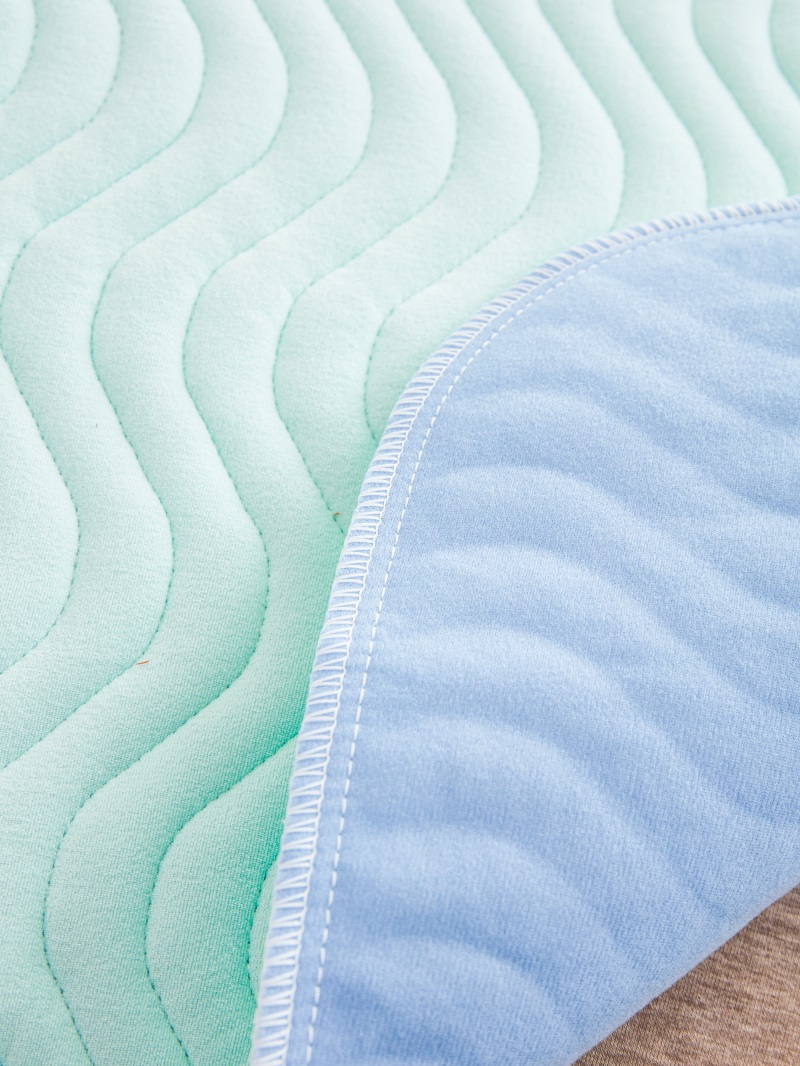
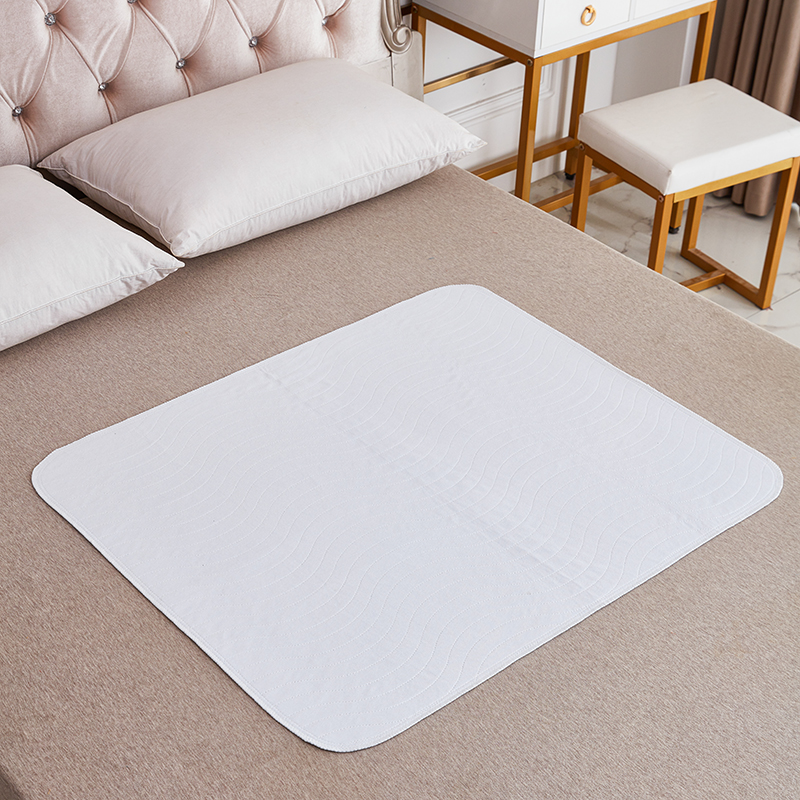
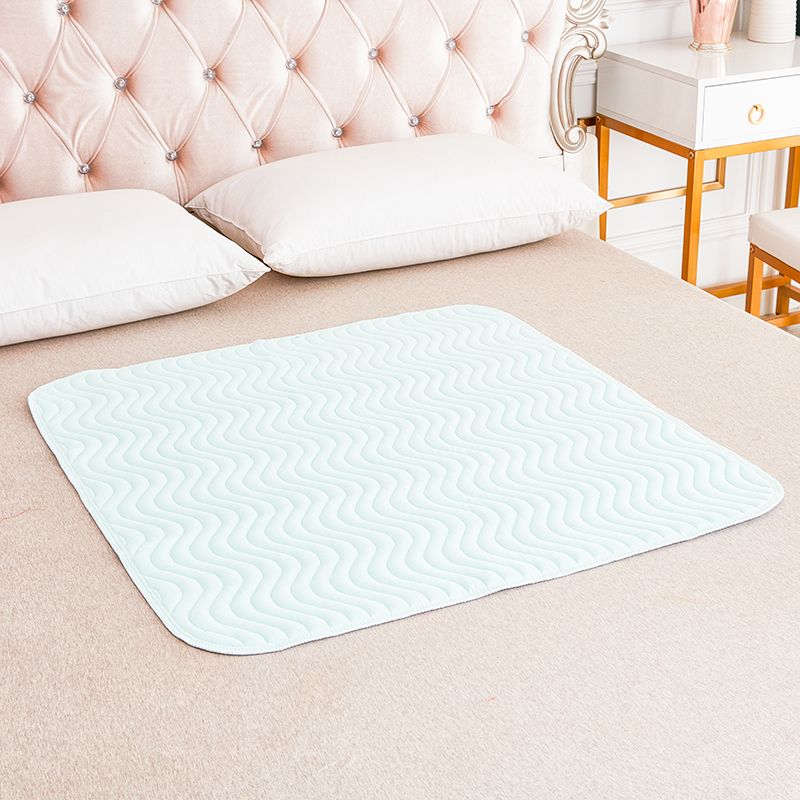
When evaluating underpad price, consumers and healthcare facilities must consider multiple factors that influence both initial investment and long-term value. Underpads, also known as disposable bed pads or chux, serve as essential protective barriers designed to safeguard mattresses, furniture, and bedding from moisture damage caused by incontinence, post-surgical recovery, or general accidents. The underpad price spectrum varies considerably based on construction quality, absorbency levels, size dimensions, and quantity purchased. Understanding what drives underpad price helps buyers make informed decisions that balance budget constraints with performance requirements. These protective products typically feature a multi-layered construction incorporating a soft top sheet for comfort, an absorbent core that locks away moisture, and a waterproof backing that prevents leakage. The technological composition directly impacts underpad price, with premium models utilizing advanced polymer materials that convert liquid into gel, enhancing absorption capacity significantly. Standard underpads generally measure between 17x24 inches for personal use up to 36x36 inches for full bed coverage, with larger dimensions commanding higher underpad price points. Applications extend across multiple settings including hospitals, nursing homes, home healthcare environments, pediatric care, elderly assistance, pet training, and temporary protection during travel. Medical facilities often purchase underpads in bulk, achieving economies of scale that reduce per-unit underpad price substantially compared to retail consumer purchases. The competitive market offers both disposable single-use options and reusable washable alternatives, each presenting distinct underpad price considerations related to durability and lifecycle costs. Disposable underpads provide convenience and hygiene advantages, eliminating laundering requirements, while reusable versions may offer better long-term underpad price value for consistent daily users. Quality certifications, hypoallergenic materials, and odor-control technologies represent additional features that influence underpad price positioning within the marketplace. Savvy purchasers recognize that the lowest underpad price does not always deliver optimal value, as inferior products may require more frequent changes, ultimately increasing total expenditure and compromising user comfort and dignity.
Choosing the right underpad price point delivers numerous practical benefits that extend beyond simple cost considerations. First, competitive underpad price options enable households and facilities to maintain adequate inventory without straining budgets, ensuring continuous protection when needed most. Bulk purchasing at favorable underpad price rates allows caregivers to stock sufficient quantities, eliminating last-minute emergency purchases at premium retail prices. This preparedness proves especially valuable during nighttime hours or weekends when shopping options become limited. Second, transparent underpad price structures help consumers compare products effectively across brands and retailers, identifying genuine value rather than simply selecting the cheapest option. When underpad price reflects quality construction with superior absorbency, users experience fewer leakage incidents, which translates to reduced laundry expenses, preserved mattress longevity, and decreased need for costly furniture replacement. Third, reasonable underpad price accessibility ensures that individuals with limited incomes can still afford essential dignity and comfort, preventing the unfortunate choice between financial hardship and inadequate protection. Many manufacturers now offer tiered product lines at varied underpad price levels, allowing customers to select appropriate quality grades matching specific usage scenarios. Fourth, stable underpad price markets encourage consistent caregiving standards, as fluctuating costs might otherwise force difficult rationing decisions that compromise patient wellbeing. Fifth, fair underpad price competition drives continuous product innovation, as manufacturers invest in improved materials and designs while maintaining affordable pricing to capture market share. This dynamic benefits end users who gain access to enhanced absorption technology, softer materials, and better odor control without proportional underpad price increases. Sixth, transparent underpad price comparison enables healthcare administrators to optimize procurement strategies, allocating resources efficiently across departments while maintaining quality standards. Seventh, accessible underpad price points reduce caregiver stress by eliminating financial anxiety associated with essential supplies, allowing focus on compassionate care delivery. Eighth, predictable underpad price stability assists families in long-term care planning, facilitating accurate budgeting for ongoing needs across months or years. Finally, competitive underpad price environments foster supplier diversity, preventing monopolistic pricing while ensuring product availability even during supply chain disruptions. These combined advantages demonstrate that thoughtful underpad price evaluation extends far beyond simple cost minimization, encompassing quality assurance, accessibility, planning capability, and overall care quality enhancement for vulnerable populations requiring reliable protection solutions.

Latest News

Safe Sleep, Pure Protection: OEKO-TEX® Certified Waterproof Mattress Cover

18

Aug

Safe Sleep, Pure Protection: OEKO-TEX® Certified Waterproof Mattress Cover

View More
What is TPU?

11

Aug

What is TPU?

View More
Cheers to a Night of Milestones: Jiangsu Etang Celebrates a Year of Growth & Innovation

13

Mar

Cheers to a Night of Milestones: Jiangsu Etang Celebrates a Year of Growth & Innovation

View More
Bamboo vs. Cotton vs. Lyocell: Which Waterproof Mattress Protector Top Layer Is Right for You?

05

Aug

Bamboo vs. Cotton vs. Lyocell: Which Waterproof Mattress Protector Top Layer Is Right for You?

View More

Get a Free Quote

Our representative will contact you soon.
0/1000
Strategic Bulk Purchasing Reduces Long-Term Underpad Price Investment

Strategic Bulk Purchasing Reduces Long-Term Underpad Price Investment

One of the most significant advantages for both individual consumers and institutional buyers involves the substantial savings achieved through strategic bulk purchasing, which dramatically reduces the effective per-unit underpad price. When buyers commit to larger quantity orders, manufacturers and distributors pass along economies of scale that make each individual underpad considerably more affordable. This approach proves particularly valuable for nursing facilities, hospitals, and home healthcare agencies that utilize hundreds or thousands of underpads monthly, where even modest reductions in underpad price per unit translate to thousands of dollars in annual savings. However, individual consumers caring for family members at home also benefit from this strategy by purchasing multi-pack options rather than small retail packages. The mathematics clearly favor bulk buying, with cases containing 150 to 300 underpads often costing 40 to 60 percent less per unit compared to purchasing small 10-packs multiple times. Beyond the immediate underpad price advantages, bulk purchasing provides additional practical benefits including reduced shopping frequency, ensured supply availability during emergencies, and elimination of rushed purchases at convenience stores where underpad price markups can reach 200 percent above wholesale rates. Storage considerations do require planning, as larger quantities demand dedicated space, but the financial benefits typically outweigh space constraints for most situations. Additionally, many online retailers and medical supply companies offer subscription services with automatic shipments at predetermined intervals, often providing further underpad price discounts of 5 to 15 percent compared to one-time purchases. These subscription models also eliminate the mental burden of remembering to reorder, ensuring continuous supply without monitoring inventory levels constantly. For budget-conscious families, dividing large bulk orders among multiple households caring for elderly relatives creates an opportunity to access wholesale underpad price rates while sharing storage responsibilities and upfront costs. Healthcare administrators should regularly review underpad price trends across multiple suppliers, establishing preferred vendor relationships that guarantee consistent pricing while maintaining quality standards. Contract negotiations often yield additional underpad price concessions when buyers commit to annual purchase volumes, providing budget predictability that facilitates accurate financial planning. The key to maximizing bulk purchasing benefits involves calculating actual usage rates accurately, avoiding over-purchasing that ties up capital unnecessarily while ensuring sufficient inventory buffers for unexpected demand increases.
Premium Absorbency Technology Justifies Higher Underpad Price Through Performance

Premium Absorbency Technology Justifies Higher Underpad Price Through Performance

While budget-conscious buyers naturally gravitate toward lower underpad price options, understanding the relationship between price and absorbency performance reveals that premium products often deliver superior overall value despite higher initial costs. Advanced underpads incorporating super-absorbent polymer technology command elevated underpad price points, typically ranging 30 to 70 percent above basic fluff-pulp designs, yet this investment pays dividends through enhanced protection and reduced change frequency. The science behind premium absorbency involves specialized polymer crystals that chemically bond with liquid molecules, converting free-flowing moisture into stable gel formation that remains locked within the pad structure. This technology contrasts sharply with basic underpads that merely absorb liquid into cellulose fibers, which can release moisture back onto skin surfaces when compressed by body weight. The practical implications prove substantial, as premium underpads at higher underpad price levels can handle two to three times the fluid volume of economy alternatives, meaning fewer changes throughout the night and significantly reduced risk of breakthrough leakage that damages expensive mattresses. For overnight protection scenarios, the slightly elevated underpad price for premium products actually reduces total costs by eliminating the need for double-layering basic pads or middle-of-the-night changes that disrupt sleep quality. Healthcare professionals consistently report that investing in higher underpad price categories with superior absorbency reduces skin irritation incidents, pressure ulcer formation, and patient discomfort, all of which carry substantial hidden costs in treatment expenses, extended recovery times, and compromised quality of life. The waterproof backing quality also scales with underpad price positioning, with premium products utilizing thicker, more durable polyethylene films that resist tearing and maintain integrity even when saturated. This construction reliability proves essential in institutional settings where rough handling during transfers and position changes might compromise inferior products. Additionally, premium underpads at elevated underpad price levels often incorporate odor-neutralizing technologies using activated carbon, baking soda compounds, or antimicrobial treatments that control bacterial growth responsible for unpleasant smells. This feature carries particular importance in shared living environments, healthcare facilities, and home settings where dignity and comfort directly impact emotional wellbeing. When calculating true value, comparing underpad price against performance metrics reveals that mid-range and premium products frequently cost less per milliliter of absorbed fluid, despite higher sticker prices. Discerning buyers should request absorbency capacity specifications measured in milliliters rather than relying solely on marketing terms like heavy or maximum protection, enabling objective underpad price versus performance comparisons across brands and product lines.
Specialized Sizing Options Optimize Underpad Price Value For Specific Applications

Specialized Sizing Options Optimize Underpad Price Value For Specific Applications

The underpad price landscape encompasses diverse size options ranging from compact personal pads to full bed-coverage sheets, with strategic size selection enabling buyers to optimize value by matching dimensions precisely to intended applications. Purchasing oversized underpads for situations requiring only minimal coverage wastes money through unnecessary material costs reflected in inflated underpad price, while undersized selections compromise protection effectiveness, potentially necessitating multiple pad usage that negates any initial price savings. Understanding dimensional options and their corresponding underpad price relationships empowers consumers to make cost-effective choices tailored to specific needs. Small underpads measuring approximately 17x24 inches serve well for wheelchair seating protection, infant diaper changes, pet accidents, and personal use during travel, commanding the lowest underpad price points typically ranging from 20 to 40 cents per unit in bulk purchases. Medium sizes around 23x36 inches provide adequate coverage for single sleepers or targeted protection of specific mattress areas, with underpad price generally falling between 45 and 75 cents per unit depending on absorbency grade. Large and extra-large options extending to 30x36 or 36x36 inches offer comprehensive bed protection for individuals with significant incontinence, justifying their higher underpad price through reduced leakage risk and complete mattress safeguarding. Healthcare facilities caring for bariatric patients or providing double-bed protection may require specialty sizes exceeding standard dimensions, with corresponding underpad price premiums reflecting specialized manufacturing requirements. Strategic buyers recognize that mixing size options according to specific usage scenarios optimizes overall spending, purchasing smaller, lower underpad price pads for daytime chair protection while reserving larger, more expensive options for overnight bed use when absorption demands peak. This tiered approach can reduce total monthly expenditure by 25 to 40 percent compared to using maximum-size products universally across all situations. Additionally, some circumstances benefit from reusable washable underpads despite higher initial underpad price, particularly for predictable daily use patterns where laundry facilities exist and environmental concerns matter. Reusable options typically cost 8 to 25 dollars per pad initially, representing 20 to 60 times the disposable underpad price, but withstand 200 to 300 washing cycles, ultimately delivering per-use costs below 10 cents when amortized across their lifespan. The decision between disposable and reusable involves calculating usage frequency, laundry costs including water, detergent, and energy, plus the time value of washing and drying efforts. For sporadic needs or situations prioritizing convenience and infection control, disposable underpads at standard underpad price levels prove most practical, while consistent daily requirements over extended periods may justify the elevated initial underpad price of reusable alternatives. Buyers should also consider combination strategies, maintaining reusable pads for routine use supplemented by disposable inventory at typical underpad price rates for backup situations, travel needs, or periods when laundry capacity becomes constrained.